


Master landlord online reviews management with our complete strategy guide. Learn to generate positive feedback, neutralize negative reviews, and boost ten
Products and Tools Mentioned in this Post

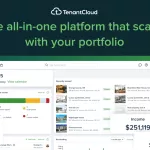

TenantCloud
TenantCloud offers landlords and property managers a complete solution for rent collection, tenant screening, lease management, and maintenance tracking.
Table of Contents
- Why Online Reviews Matter for Landlords
- Review Platform Comparison for Landlords
- Building a Strategy for Positive Reviews
- Managing Negative Reviews Effectively
- Monitoring and Measuring Review Performance
- Tools and Resources for Landlords
- Using Reviews for Marketing Success
- Conclusion
- Frequently Asked Questions
You can have the best-maintained units, premium finishes, and A-tier locations. But if your Google reviews sit at 2.8 stars while your competitor down the street has 4.7, you're losing tenants. Over 90% of renters check reviews before signing a lease. That's not speculation — that's how the market works now.
New to long-term rental? Start with our Long-Term Rental Investing Guide.
Whether you're holding one property or fifty units across multiple markets, online reputation management isn't optional anymore. It's a revenue driver. This guide covers the full playbook: how to generate positive reviews consistently, respond to the negative ones strategically, and turn your reputation into your strongest marketing asset.

Why Online Reviews Matter for Landlords
The Impact of Reviews on Tenant Acquisition
Vacancy kills cash flow. Every empty week bleeds money, and today's prospects have all the intel they need before they even call you. Google Reviews, ApartmentRatings, Facebook, Yelp—these platforms let applicants see exactly how you handle maintenance requests and security deposits before they submit an application. One brutal one-star review about slow repairs or deposit disputes? That's multiple qualified leads walking straight to your competitor's listing.
The National Apartment Association has the numbers to back this up. Properties rated above 4.0 stars see vacancy rates that run 25% lower than those below 3.5 stars. Do the math on your portfolio—that gap adds up to thousands in lost revenue per unit annually.
The Business Case for Review Management
Strong reviews don't just fill units faster. They slash your tenant acquisition cost. High-rated landlords spend way less on ads because organic search and word-of-mouth do the work for them. And if you're running short-term rentals too, the picture gets even sharper—as we break down in our piece on Airbnb property management: self-manage vs hire out, reputation drives booking volume on those platforms, period.
Back to topReview Platform Comparison for Landlords
Here's the thing: not every review platform moves the needle equally. Your tenants aren't leaving feedback everywhere—they're concentrated on just a handful of sites. That's why you need to know where they're actually looking and reviewing. Chasing reviews on every platform? That's how you burn out without results.
| Platform | Tenant Traffic | Visibility in Search | Ease of Response | Landlord Control | Best For |
|---|---|---|---|---|---|
| Google Reviews | Very High | Excellent (Maps + Search) | Easy | Moderate | Local SEO, general visibility |
| ApartmentRatings | High | Good | Moderate | Limited | Multi-family properties |
| Facebook Reviews | Moderate | Moderate | Easy | High (can hide section) | Community building, social proof |
| Yelp | Moderate | Good | Easy | Low (filter algorithm) | Urban markets, mixed-use |
| Apartments.com | High | Excellent | Easy | Moderate | Active rental listings |
| Zillow Rentals | High | Excellent | Easy | Moderate | Single-family, broad reach |
Start with Google Reviews and Apartments.com. These two should get the bulk of your attention and energy. Then, layer in ApartmentRatings and Facebook depending on whether you're running multi-family units or single-family homes and what your local market actually uses.
Spread yourself too thin and everything suffers.
Back to topBuilding a Strategy for Positive Reviews

Encouraging Tenant Feedback at the Right Moment
Timing is everything. Hit tenants up for reviews at these three moments: right after move-in goes smoothly, within 48 hours of getting a maintenance issue fixed, and when the lease renewal comes around. Why? That's when satisfaction is highest and tenants actually feel good about you. A message like "Glad we knocked that out fast — if you've got a minute, an honest Google review really helps other renters find us" works like crazy and feels totally natural.
But here's what'll tank your strategy: asking for reviews while you're in a dispute with someone. Don't do it when they're packing up and moving out. And definitely don't ask right after you bump the rent. These are poison moments. Response rates crater, and you're begging for negative feedback instead.
Integrating Review Requests into Operations
The smart play? Automate it. Build review requests straight into your existing communication workflows and you'll scale without burning out. Most property management platforms — check out our best property management software 2026 guide for options — let you trigger automatic follow-ups the second a maintenance ticket closes or a lease gets signed. Both AppFolio and Buildium have tenant communication modules where you can embed review request links right in the message. Want to see which one fits your operation better? Our AppFolio vs Buildium comparison breaks down the features side by side.
Back to topManaging Negative Reviews Effectively


Response Timeline Best Practices
Here's the thing: how fast you respond to a one-star review matters way more than the review itself. Prospects don't just see the complaint. They're watching to see if you're the type who actually handles problems or hides from them.
| Review Type | Recommended Response Time | Response Priority | Rationale |
|---|---|---|---|
| 1–2 Star (Negative) | Within 24 hours | Critical | Prospects read these first; fast response signals accountability |
| 3 Star (Neutral) | Within 48–72 hours | High | Opportunity to clarify and convert fence-sitters |
| 4–5 Star (Positive) | Within 3–5 days | Moderate | Shows appreciation; reinforces community culture |
| Fake/Fraudulent Review | Within 24 hours (flag immediately) | Critical | Flag for removal while posting a factual, brief response |
Negative Review Response Template
Use this framework. It works because it doesn't escalate:
- Acknowledge — Thank them for the feedback and acknowledge their frustration without admitting liability.
- Contextualize — Briefly provide factual context if the review contains inaccuracies, without being defensive.
- Invite offline resolution — Provide a direct contact (email or phone) to resolve the matter privately.
- Keep it under 100 words — Lengthy responses look defensive and overwhelm prospective readers.
Example: "Thank you for sharing your experience. We take maintenance response times seriously and would like to understand what happened in your case. Please reach out to us directly at [email] so we can make this right."
Legal Considerations When Responding
Don't post a tenant's personally identifiable information in your public response. That's a fair housing violation waiting to happen. And don't threaten legal action, reference ongoing proceedings, or discuss security deposits online. If someone's posted something that's factually false — wrong maintenance dates, false claims about property condition — get your attorney involved before you correct the record publicly.
Back to topMonitoring and Measuring Review Performance

Key Metrics to Track
| Metric | What It Measures | Industry Benchmark | Target |
|---|---|---|---|
| Average Star Rating | Overall reputation score | 3.8–4.1 (multifamily) | 4.2+ |
| Response Rate | % of reviews receiving a reply | ~40% | 100% |
| Review Velocity | New reviews per month | Varies by portfolio size | Steady growth |
| Sentiment Ratio | Positive vs. negative mentions | 70% positive | 80%+ positive |
| Time to First Response | Speed of initial reply | 48–72 hours | Under 24 hours |
Here's what actually matters: you need to audit these numbers every month across all platforms. Want to know if that new maintenance vendor or your refreshed move-in process is actually moving the needle? Tracking trends over time shows you exactly that. And most investors miss this—they set it and forget it, then wonder why their ratings flatline.
Back to topTools and Resources for Landlords

Review Management Software Options
Want to stop manually hunting down reviews across a dozen platforms? Dedicated reputation management tools will consolidate everything into one dashboard and automate the monitoring process. But if you're already deep in a property management platform like Buildium or TenantCloud, honestly, the built-in communication features often get the job done. Check the Buildium pricing breakdown or run a Buildium vs TenantCloud comparison to see which one fits your review workflow alongside your other property management needs.
Now, if you're looking at standalone tools? Birdeye, Podium, and Grade.us are solid. They'll monitor across multiple platforms, run automated review request campaigns, and pull sentiment analysis so you actually know what tenants think. Expect to pay $200–$400 per month for a small portfolio. And here's the reality: this makes sense once you hit 20+ units. Below that, you're spending money to avoid work that doesn't exist yet.
Back to topUsing Reviews for Marketing Success

Your best reviews aren't just feel-good testimonials — they're marketing assets you should be weaponizing. Rotate a solid selection of 4- and 5-star testimonials across your property website's homepage and listing pages. Screenshot the ones that really pop and drop them into your social media content. Want to stand out? Include those aggregate rating badges like "4.7 stars on Google — 120+ reviews" right in your rental listing descriptions. Prospective tenants comparing three properties at once will see that credibility signal and it moves the needle.
And if you're an agent juggling transactions alongside rentals, the same rules apply. Your reputation matters across the entire business. Check out best transaction management software for agents 2026 to see how technology can help you manage that client-facing reputation across everything you do.
Back to topConclusion
Your online reputation isn't a nice-to-have anymore. It's money in the bank — plain and simple. Landlords who treat review management like any other core operation (systematic generation, prompt responses, monthly metric tracking, strategic marketing use) consistently pull better tenants and fill vacancies faster than competitors who sleep on it.
Here's what actually works. Start with Google Reviews and your primary listing platform. Set up automated follow-up requests in your property management software. Then commit to responding to every single review within 24–72 hours — yes, even the brutal ones. And especially the brutal ones.
The effort? Minimal. A few hours per month, tops. The payoff? Lower vacancy rates, higher-quality applicants, and rent levels that reflect genuine demand rather than desperation. You're literally leaving money on the table if you're not doing this today.
Back to topFrequently Asked Questions
Can I legally ask tenants to remove negative reviews?
You can ask. But here's what you can't do: require it or tie it to lease renewal, security deposit return, or anything else of value. That violates FTC guidelines and platform terms. It'll also tank your credibility fast. Instead, fix the actual problem. Most tenants will update or remove their review voluntarily once you've resolved what upset them in the first place.
How do I handle clearly fake or fraudulent reviews?
Document everything first. Then flag it through the platform's reporting system immediately. Post a brief, factual public response — something like "We have no record of this individual as a tenant." Google and most other platforms do have removal processes for policy violations. Don't count on it though. Removal can take weeks, and isn't guaranteed.
How many reviews do I need before my rating is credible?
You want 10–15 minimum.
Below that? One bad review tanks your average. And prospective tenants know it. Push hard for volume early on. Once you hit that threshold, shift to maintaining quality and staying consistent with responses. That's when you've actually got credibility that sticks.
What's the biggest mistake landlords make with online reviews?
Pretending they don't exist. You won't know you've got a reputation problem until your vacancy rate spikes or an applicant mentions it during a showing. Set up free Google Alerts for your property name and address right now. Check your review platforms weekly minimum — it takes 15 minutes and saves you thousands in lost rents.
Should I respond to positive reviews as well?
Absolutely. It shows prospective tenants you're actually engaged. Keep it short. Reference something specific from their review instead of using the same copy-paste response for every positive comment. Templated replies look lazy and kill the credibility boost you're trying to build.
Back to top