

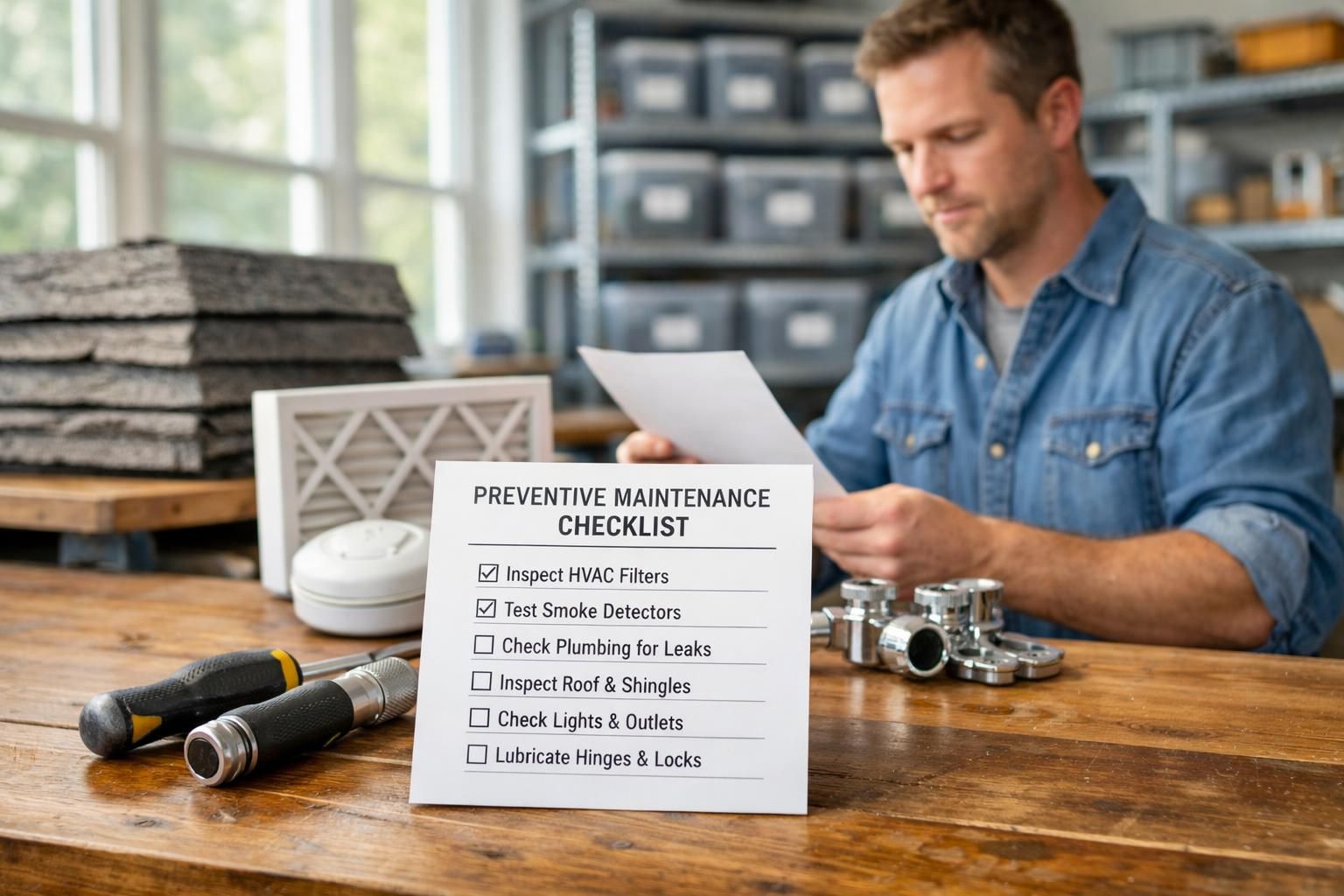
A preventive maintenance schedule for rental properties keeps your investment safe and tenants happy. Learn essential strategies to protect your property today!
Table of Contents
- Importance of Preventive Maintenance for Rental Properties
- Key Components of a Preventive Maintenance Schedule
- Monthly Preventive Maintenance Tasks
- Quarterly Preventive Maintenance Tasks
- Annual Preventive Maintenance Tasks
- Seasonal Maintenance Tasks
- Investing in Long-term Rentals and the Importance of Preventive Maintenance
- Budgeting for Preventive Maintenance
- Tenant Communication for Maintenance
- Conclusion
- FAQs
Preventive Maintenance Schedule for Rental Properties

New to long-term rental? Start with our Long-Term Rental Investing Guide.
Every real estate investor faces the challenge of keeping their rental property in top shape year-round. Neglecting upkeep can lead to serious problems like costly repairs, water damage, safety hazards, and high tenant turnover. 1 A well-planned preventive maintenance schedule for rental properties is your first and best line of defense. It helps you protect your investment, reduce emergency repairs, improve tenant retention, and ensure compliance with housing codes. 2
With years of experience in property management and routine maintenance programs, I know how vital it is to have a clear checklist that covers inspections, smoke detectors testing, HVAC system care, plumbing checks, roof inspection tasks, and more.
You will see how a practical maintenance plan preserves property value while boosting operational efficiency and satisfaction for both landlords and tenants. Discover the proven steps you need right now. 3
Key Takeaways
- Regular preventive maintenance protects property value, lowers emergency repair costs, and keeps tenants satisfied. Industry data shows that neglecting upkeep causes U.S. landlords to lose an average of $222 billion per year (citation 6).
- Use a detailed checklist for tasks such as annual HVAC servicing, smoke detector testing each month, quarterly gutter cleaning, and seasonal roof inspections. The 1% rule suggests budgeting at least 1% of your property’s value each year for these tasks.
- Provide clear communication with tenants about inspection schedules and explain both landlord and tenant responsibilities using online tools like Avail or AppFolio.
- Set up a reserve fund with 5–10% of rental income to cover preventive maintenance and unexpected repairs efficiently. Track all expenses in spreadsheets or management software.
- Following a strong maintenance schedule—such as regular water heater flushing, pipe insulation in winter, spring landscaping checks, fall heating system tune-ups—reduces tenant turnover rates and helps investors secure steady returns on long-term rentals (as noted by experts like Robert Kiyosaki).
Importance of Preventive Maintenance for Rental Properties

Protecting your rental property investment starts with a strong preventive maintenance program. Keeping up with scheduled maintenance, such as regular inspections and seasonal tasks, preserves your building’s value and encourages tenant satisfaction.
Many companies lose billions of dollars every year due to poor upkeep. Effective strategies limit repair costs by reducing unplanned downtime and emergency repairs.
Failing to maintain smoke detectors, carbon monoxide alarms, HVAC systems, or plumbing puts tenants at risk and may lead to heavy fines or lawsuits. You must meet legal standards for fire safety systems and system safety codes like national electrical codes or GFCI outlets in kitchens and baths.
A solid maintenance checklist keeps each unit in top shape while boosting property reliability and energy efficiency long-term.
Having managed dozens of properties myself, I can confirm that proactive measures keep units rented longer, reduce tenant turnover rates, strengthen lease renewal rates, protect income streams, lower expenditures on major repairs over time, preserve appraisal value at sale time for investors like you seeking equity growth or steady returns on investment properties.
Back to topKey Components of a Preventive Maintenance Schedule

A strong preventive maintenance schedule relies on detailed property inspections and effective emergency repairs. Using a property maintenance checklist will help you monitor your HVAC system, plumbing, and electrical panel for peak operational efficiency.
Regular Inspections
Regular inspections serve as the backbone of any effective preventive maintenance program for rental properties. Schedule a full interior and exterior property inspection once a year to preserve property value and protect your investment.
Older buildings demand more frequent checks due to increased wear or outdated systems. You should check at least 10 percent of runouts, the branch pipes between fixtures and risers, during plumbing assessments to catch hidden leaks or future water damage risks.
Include key areas in every routine inspection: HVAC system components, smoke detectors, carbon monoxide alarms, outdoor lighting, electrical panels, and crawl spaces. Review lease agreements for tenant responsibilities while looking out for potential violations that could lead to costly emergency repairs or threaten tenant safety.
Use systematic checklists tailored to each building’s needs; this approach streamlines inspections across large portfolios for real estate investors focused on operational efficiency.
Thorough records support targeted seasonal maintenance tasks such as pest control or roof inspections—strengthening preventative property maintenance efforts year-round.
Seasonal Maintenance Tasks
Seasonal maintenance tasks help you protect your rental property investment and reduce emergency repairs. These tasks keep systems efficient and maintain tenant satisfaction throughout the year.
- Inspect landscaping every spring to check for drainage issues, assess irrigation systems, trim trees, and manage pest control. Proper care prevents root damage to subfloors and flooding in basements.
- Clean gutters each fall using gutter guards. Remove debris before rainy months to reduce water damage and preserve roof quality during property inspections.
- Service HVAC systems every summer for optimal air conditioner performance and improved energy savings. Replace filters in ceiling fans or ventilation units to lower repair costs.
- Seal windows and install weather stripping each fall to prevent drafts, increase operational efficiency, and boost property value preservation through energy savings.
- Insulate exposed water pipes before winter arrives. This step helps prevent freezing pipes that can cause costly plumbing system repairs.
- Check outdoor lighting for safety at least once per season. Working lights around entryways help meet landlord responsibilities for tenant safety.
- Conduct a fireplace and flue inspection before cold weather starts. Clear out blockages in chimneys to avoid emergency repairs linked to carbon monoxide detectors triggering alarms.
- Remove snow buildup from sidewalks or flat roofs after winter storms as part of your preventative property maintenance program. Prompt removal lowers risk of slips while protecting structural integrity.
- Test sump pumps in spring if the rental is in a flood-prone area. Reliable pumps help maximize water damage prevention efforts ahead of severe weather events like heavy rainstorms.
- Review insulation levels annually, especially in older properties with luxury vinyl plank flooring or remodeled basements. Improved insulation supports reducing energy consumption for higher tenant satisfaction rates.
Emergency Preparedness
Pipe bursts, heating failures, or major plumbing issues can happen at any time in rental properties. Act fast to protect property value and ensure tenant safety. Always provide tenants with after-hours contact information for emergency repairs.
Partner with a property management company that offers 24/7 emergency maintenance services.
Check if your building maintenance provider has a process for urgent calls about electrical faults or HVAC system outages. Ask about their response times and confirm coverage for vital areas like plumbing and heating systems, which affect habitability under landlord responsibilities.
Quick action during emergencies reduces repair costs, limits water damage, and keeps tenants satisfied—helping you avoid tenant turnover and preserve your investment property’s financial future.
Back to topMonthly Preventive Maintenance Tasks

You protect your rental property’s value and avoid emergency repairs by following a monthly preventive maintenance program using tools like an HVAC checklist, smoke detectors, carbon monoxide alarms, and regular inspections for water leaks—explore these steps to keep your investments strong month after month.
Inspect HVAC systems
Inspect HVAC systems every month. Check filters for dirt or dust buildup and replace dirty ones right away. Dirty air filters can lower airflow, increase utility bills, and strain your hvac system.
Signs of decreased airflow or more dust in rental units may signal clogged ducts or vents. Address these issues fast to avoid expensive emergency repairs and tenant complaints.
Look at all visible ductwork, blower units, and thermostat controls for signs of leaks or malfunctioning parts. Clean vent covers and make sure nothing blocks a register. Use a maintenance checklist to help you track each inspection step.
Document all maintenance actions, filter changes, repair costs, and service dates for accountability.
Consistent inspections protect property value preservation by catching problems early before they damage equipment or disrupt tenancies. These proactive tasks support operational efficiency with heating or cooling systems while promoting tenant satisfaction through comfortable living spaces year-round.
Test smoke and carbon monoxide detectors
Test smoke detectors and carbon monoxide alarms in every rental unit each month. Include this step as a key part of your monthly property walk-through to meet legal obligations for life safety.
Push the test button on every detector to ensure a loud, continuous sound. Swap out batteries if the signal seems weak or you hear warning chirps.
Your preventive maintenance checklist should always list smoke detectors and carbon monoxide detectors at the top of emergency preparedness tasks. Immediate action saves lives and helps prevent costly lawsuits that can arise from non-functioning alarms during emergencies.
Making sure these devices work protects tenants, preserves your investment, and supports long-term tenant retention by showing care for their well-being.
Check for water leaks or plumbing issues
Inspect kitchens and bathrooms each month for water leaks. Common sources include toilets, sinks, washing machines, and dishwashers. 1 Watch for damp spots on floors, walls, or ceilings as indicators of leaks.
Quick identification can prevent costly water damage and keep repair costs manageable.
Shut off the main water supply if you spot a leak to limit damage. 1 Address faulty pipes or appliances immediately by calling a plumber or fixing the source yourself. Drain your hot water heater regularly as part of preventive maintenance to avoid clogs and corrosion inside plumbing systems.
These routine checks protect your rental property value while reducing risk of emergency repairs for both you and your tenants.
Back to topQuarterly Preventive Maintenance Tasks

Performing quarterly checks on systems like air conditioners and circuit breakers keeps your rental property running smoothly. A detailed maintenance checklist boosts both tenant satisfaction and operational efficiency throughout the year.
Replace air filters in HVAC systems
Change the air filters in your HVAC system at least every three months. Industry standards and manufacturers recommend quarterly filter replacement for optimal hvac system maintenance.
Many property owners do this twice a year, but changing them more often increases operational efficiency and lowers long-term repair costs. Dirty filters force heating and cooling equipment to work harder, increasing energy bills by up to 15%.
Clogged air filters also reduce indoor air quality, which can turn into tenant complaints or even health risks.
Set a recurring entry in your property maintenance checklist to remind yourself or your team about this task each quarter. New filters protect vital components like blowers, coils, motors, and ductwork from early wear and expensive emergency repairs.
Regular attention helps with preventative property maintenance while preserving property value for the long term. Your tenants will appreciate clean airflow; their satisfaction supports stronger retention rates throughout the rental season.
From my own experience managing rental properties across several cities since 2018, I have found that routine filter changes pay off by reducing calls about noisy air conditioners or uneven temperatures in units during peak summer heat waves or winter cold snaps.
Use high-quality pleated filters for best results in all residential rentals on your portfolio; they trap smaller particles than older fiberglass models and support better performance of smoke detectors and carbon monoxide alarms within occupied spaces as part of an effective preventative maintenance program.
Inspect and clean gutters
Check and clean gutters every quarter to protect your rental property from costly water damage. 1 Blocked gutters often cause water to overflow, damaging the foundation and encouraging mold growth inside walls.
You can use manual cleaning methods, wet-dry vacuums, or pressure washers for leaf removal. Effective gutter maintenance allows rainwater to flow smoothly from the roof to the ground.
Set this task on your property maintenance checklist each season. 2 Clean gutters help prevent leaks near the roof line and reduce emergency repairs during storms. Consistent preventive maintenance like this protects asset value and supports tenant satisfaction in your rental property management program.
Test electrical outlets and safety systems
Test all GFCI outlets and electrical panels every quarter in your rental property. Plug a device into each outlet, press the test button on the GFCI, and confirm power cuts off. Restore power by pressing reset.
Inspect ground fault circuit interrupter (GFCI) outlets in kitchens, bathrooms, laundry rooms, garages, and outdoor locations to reduce risk of electrical shocks.
Evaluate smoke detectors and carbon monoxide alarms at the same time. Press test buttons to ensure they sound loudly throughout hallways and living spaces. Replace batteries as needed for effective emergency preparedness.
Record these tests as part of your scheduled preventative property maintenance for full accountability if an incident occurs later. Call a licensed electrician if you find non-working outlets or breaker issues; do not attempt major repairs yourself due to safety codes and liability concerns in rental property management.
Back to topAnnual Preventive Maintenance Tasks

You must prioritize annual checks to keep your rental property in top shape. Keeping up with yearly tasks helps you avoid emergency repairs and protect your investment’s value.
Service HVAC systems
Schedule professional HVAC servicing at least once every year for each rental property. Arrange for a licensed technician to clean coils, inspect refrigerant levels, test safety controls, and confirm the system operates within its design limits.
Ensure annual service covers both heating and cooling systems; adjust timing if your region relies more heavily on one function during certain seasons.
HVAC system maintenance reduces emergency repairs and keeps tenants comfortable all year. Frequent filter changes help prevent water damage from clogged condensate lines. Keep detailed records of all service dates and results in your property maintenance checklist.
Update lease maintenance clauses during these yearly inspections to preserve operational efficiency in line with current codes.
Effective HVAC servicing boosts tenant satisfaction, cuts energy costs, and helps retain renters by improving air quality while maintaining optimal indoor climates. Prioritize this annual preventive maintenance task to protect long-term rental income and reduce overall repair costs across your portfolio.
Inspect roofs for damage
Inspect roofs for damage at least once a year and after every major storm. Walk the roof to look for missing shingles, soft spots, or damaged flashing. Use a drone if safe access is not possible.
Address any water intrusion fast to prevent costly repairs and preserve rental property value.
Patch cracks in ceilings or drywall found during annual inspections. This prevents water damage inside units and keeps tenants satisfied with their living conditions. Timely roof inspection acts as essential preventative property maintenance that supports tenant retention and protects your investment from emergency repairs.
Flush the water heater
Flush the water heater at least twice a year to keep your rental property in top shape. Many property owners choose to flush their tanks quarterly or biannually. This task removes sediment buildup that can cause damage, lower energy efficiency, and shorten appliance life.
Clean tanks help provide reliable hot water for tenants and reduce repair costs.
Track each maintenance event on your property maintenance checklist. Note the exact date and the technician who performed the work. Using skilled technicians ensures proper preventive maintenance for your water heaters; this step supports long-term operational efficiency and protects against costly emergency repairs caused by neglected equipment.
Back to topSeasonal Maintenance Tasks
Seasonal maintenance tasks help you protect your rental property against harsh weather, boost operational efficiency, and preserve property value—explore the most effective strategies to keep your investment in top shape.
Spring: Inspect landscaping and irrigation systems
Inspect all landscaping and irrigation systems at the start of spring. Look for leaks, clogs, broken sprinkler heads, or uneven water coverage in your property’s irrigation setup. 3 Adjust timers to match the season so lawns get enough water without waste. Early attention here prevents long-term water damage and helps maintain curb appeal—a crucial factor in tenant satisfaction.
Add fresh mulch to flower beds and remove debris left from winter storms to foster healthy growth.
.Hire a professional landscape company if you manage multiple rental properties or larger grounds. This investment saves time and improves operational efficiency across your entire portfolio.
Schedule services well before peak demand hits each year; many landlords book by March to secure preferred spots with top-rated vendors like BrightView or TruGreen.
.Use this seasonal maintenance step as part of your wider preventive maintenance checklist. Strong outdoor lighting deters trespassers while showing off healthy lawns and trimmed hedges during property inspections or tours with new prospects.
Regularly maintained landscapes signal good rental property management; they preserve property value while lowering emergency repair costs over time.
.Summer: Service cooling systems
Service all cooling systems before summer heat peaks. Schedule a certified technician to inspect your central air conditioning and window units. 4 Clean coils, check refrigerant levels, and test thermostats for accuracy.
Change HVAC system air filters every month in heavy use seasons to keep indoor air quality high and utility bills low.
Test each window AC unit for proper operation as part of your seasonal maintenance program. Inspect condensate drains to prevent water damage that can occur from leaks or clogs. Look closely for mold in ducts, vents, and around units; address any issues immediately to protect tenant health and avoid costly emergency repairs later.
Consistent preventive property maintenance preserves rental income by ensuring operational efficiency throughout the hottest months of the year.
Fall: Check heating systems and seal windows
Inspect furnaces and heating systems in every rental property during fall to prepare for winter. Make sure a certified technician completes hvac system maintenance before tenants need heat.
Clean chimneys, check fireplaces, and test flues for safe operation. Sealing windows with weather stripping cuts down on drafts and keeps energy bills lower.
Seal cracks around frames to prevent water damage and maintain indoor comfort through cold months. Properly insulated properties reduce emergency repairs due to frozen pipes or inefficient heating, which preserves property value.
Store lawn equipment safely after seasonal use so exterior spaces remain clear of hazards for both tenants and staff managing the site.
Winter: Insulate pipes and clear snow buildup
Use pipe sleeves, wrapping, or foam insulation to protect exposed pipes in your rental property during winter. These materials shield plumbing from freezing temperatures and greatly reduce the risk of burst pipes. 5 Frozen water in pipes can expand and cause serious water damage that leads to expensive emergency repairs. Prioritize all exterior walls, crawl spaces, unheated basements, garages, and attics for insulation tasks on your preventive maintenance checklist.
Clear snow buildup promptly after every storm. Remove snow from walkways within 24 hours to prevent slip-and-fall accidents for tenants and guests. Monitor for roof ice dams; these form when melting snow refreezes at the roof's edge due to poor attic ventilation or inadequate insulation.
Ice dams can force water under shingles and create leaks that threaten ceilings and walls with costly repair needs. Prompt removal of excess snow helps you maintain proper drainage away from foundations; this reduces the risk of basement flooding.
Ensure heating systems run efficiently throughout winter by scheduling consistent maintenance through trusted HVAC system professionals. Consistent checks help preserve tenant safety while maintaining rental income flow during cold months.
Addressing seasonal maintenance needs protects property value and keeps operating costs predictable even during harsh weather conditions.
Back to topInvesting in Long-term Rentals and the Importance of Preventive Maintenance
Long-term rentals create stable rental income and grow your wealth over time. A solid maintenance program helps protect your investments and boosts tenant satisfaction. Preventive maintenance preserves property value by addressing issues like water damage, roof problems, or malfunctioning HVAC systems before they turn into costly emergency repairs.
Regular use of a property inspections checklist may result in lower repair costs year after year.
Systematic preventive maintenance also means fewer headaches with tenant turnover. Tenants tend to stay longer if you respond quickly to their concerns about smoke detectors, carbon monoxide alarms, or seasonal needs such as gutter cleaning or heating system checks.
Well-maintained homes become powerful marketing tools for attracting new tenants since operational efficiency shows through every detail—from safe outdoor lighting to proper pest control and weather stripping.
Property management experts like Robert Kiyosaki highlight that advanced techniques can feel expensive at first but save substantial amounts in the long run. Annual checkups on roofs, HVAC systems, plumbing fixtures, dryer vents, and water heaters provide peace of mind while helping protect against unexpected costs that eat away at profits.
Investing time into developing a proactive maintenance checklist ensures you not only secure steady returns; you also build trust with tenants while supporting portfolio growth for years to come.
Back to topBudgeting for Preventive Maintenance
Set a clear maintenance budget using property management software and include preventive tasks like regular roof inspection or pest control to safeguard your rental income—read more to boost your operational efficiency.
Estimating costs
Estimating repair costs for rental property maintenance requires a detailed approach. Use the 1% rule as a starting point. Allocate at least 1% of each property's value per year toward your preventive maintenance program.
For example, set aside $3,000 yearly for a $300,000 unit to cover HVAC system checks, smoke detector tests, water heater flushing, and seasonal roof inspections. Alternatively, budget around $1 per square foot annually for total property care tasks like pest control or weather stripping.
Older buildings or properties exposed to extreme weather will need larger reserves due to more frequent repairs and higher emergency repair costs from issues like plumbing leaks or appliance failure.
Industry data shows owners collectively face an average of $222 billion in annual losses nationwide from neglected maintenance and urgent fixes such as water damage prevention or electrical safety upgrades including power strip replacements and carbon monoxide alarms installation. 6 Properly estimating these expenses helps preserve property value while keeping tenant satisfaction high and supporting long-term rental income growth based on my own experience managing investment properties across several markets.
Setting aside reserves
Treat maintenance as a fixed expense in your annual property budget. Set up a dedicated reserve account for preventive maintenance and emergency repairs on every rental property you manage.
Contribute to this fund monthly, using a set percentage of your rental income—typically 5% to 10%—to ensure there’s always enough for critical upkeep like HVAC system servicing, roof inspections, or pest control.
Track every deposit and withdrawal using spreadsheets or property management software such as Buildium or AppFolio. Log each repair cost, vendor name, service date, and specific task completed from your property maintenance checklist.
This routine not only helps with future budgeting but also builds historical data that proves invaluable during tax season or when filing insurance claims after water damage incidents.
Experience shows that reserves reduce stress when emergency repairs strike unexpectedly. You avoid disrupting cash flow or scrambling for funds because money already sits ready for urgent needs like fixing carbon monoxide detectors or addressing seasonal maintenance tasks such as tree trimming and weather stripping.
Setting clear financial goals around reserves will increase tenant satisfaction by ensuring prompt responses to reported issues. Strong planning preserves both operational efficiency and long-term property value in your real estate investments.
Back to topTenant Communication for Maintenance
Clear conversations with tenants about maintenance keep your rental property running smoothly and reduce emergency repairs, so explore our tips for building strong communication in your maintenance program.
Sharing schedules and responsibilities
Proactively share your property maintenance checklist and preventive maintenance schedule with tenants. Use a tenant portal to post these details, making it easy for renters to access upcoming inspection dates, seasonal maintenance tasks, or scheduled pest control visits.
Set clear request procedures so tenants know exactly how to report emergency repairs or flag issues like water damage, power strip concerns, or faulty smoke detectors.
Clarify landlord responsibilities and tenant responsibilities after each property inspection. For example, let tenants handle changing batteries in carbon monoxide alarms while you manage hvac system servicing and roof inspections.
This transparent approach boosts tenant satisfaction and reduces confusion about property management duties. Communicate often to support rental income preservation and lower repair costs through early reporting of problems.
Reporting issues promptly
Report maintenance issues as soon as tenants notice them to lower the risk of emergency repairs and rising repair costs. Delays can turn a small water leak into serious water damage or compromise critical systems like your HVAC system, smoke detectors, or carbon monoxide alarms.
Use online tracking tools such as Avail or Manifestly to let tenants submit maintenance requests immediately. These platforms allow photo uploads, clear records of property inspections, and recurring checklists for preventive maintenance.
Staying informed with real-time updates on issue status helps ensure quick action and preserves rental property value while supporting tenant retention. Clear channels for communication keep tenants satisfied and reduce costly operational disruptions in your rental property management program.
Back to topConclusion
Staying on top of preventive maintenance keeps your rental property safe, appealing, and profitable. A well-planned checklist saves time, lowers repair costs, and boosts tenant satisfaction.
Strong communication with your tenants leads to faster repairs and fewer emergencies. Invest in a maintenance program today to protect the value of your properties and secure long-term rental income.
Back to topFAQs
1. What is a preventive maintenance schedule for rental properties?
A preventive maintenance schedule sets regular times to check and service key parts of a rental property, such as smoke detectors, carbon monoxide alarms, the HVAC system, and outdoor lighting. This plan helps stop emergency repairs before they start.
2. Why should landlords follow a property maintenance checklist?
A well-made property maintenance checklist covers seasonal tasks like roof inspection, tree trimming, weather stripping, pest control, water heater checks, and power strip safety. Following this list preserves property value and supports operational efficiency.
3. How does preventative property maintenance affect tenant retention?
Consistent upkeep keeps tenants satisfied by reducing repair costs and preventing problems like water damage or pest infestations. Good care lowers tenant turnover rates and protects steady rental income for owners.
4. Who handles which responsibilities in rental property management?
Landlords must provide working smoke detectors; maintain carbon monoxide detectors; manage roof inspections; oversee HVAC system servicing; arrange pest control; trim trees near buildings; fix outdoor lighting issues; prevent water damage with routine checks; and respond quickly to emergency repairs. Tenants may need to report damages or replace batteries in alarms as outlined in their lease agreement.
5. What are the practical benefits of having a strong maintenance program for rentals?
A solid preventive maintenance program extends equipment life spans like those of water heaters or HVAC systems while cutting down on unexpected repair costs over time. It also boosts safety by keeping fire prevention tools updated.
6. How often should you perform seasonal maintenance at your rental properties?
Property managers should inspect things like roofing materials each spring or fall while checking weather stripping before winter starts to block drafts that raise utility bills or cause moisture buildup inside units.
References
- ^ https://rentalhousingjournal.com/7-important-rental-property-preventative-maintenance-steps/
- ^ https://www.apmutah.com/preventive-maintenance-checklist
- ^ https://www.teamheritage.com/blog/seasonal-landscape-checklist-for-property-managers (2025-04-11)
- ^ https://american-apartment-owners-association.org/property-management/summer-checklist-landlords/?srsltid=AfmBOoqSpubeoAw3K5nqWJmFGpohH_4uBzDzIRItk58IGMIzSOeiVzFF
- ^ https://creinsightjournal.com/winter-maintenance-preventing-costly-cold-weather-failures/ (2026-01-26)
- ^ https://pmc.ncbi.nlm.nih.gov/articles/PMC9890517/