

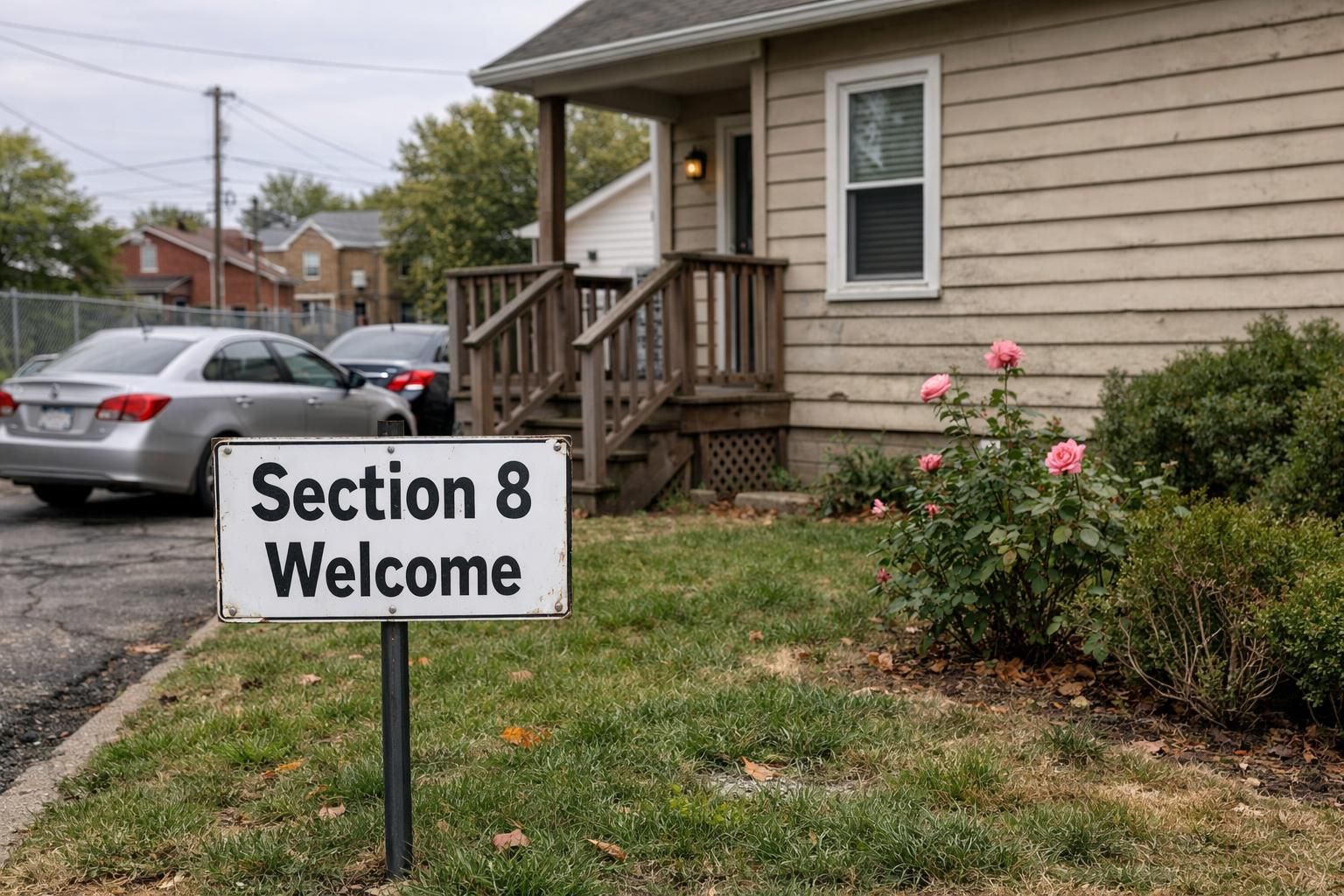
Section 8 investing provides stable, guaranteed rent payments and reduces vacancy risks. Learn how to qualify your property for this lucrative opportunity!
Section 8 Investing: Guaranteed Government Rent Payments

Managing rental income is a top goal for any real estate investor, but finding reliable cash flow can be tough. Section 8 investing offers you the chance to receive guaranteed government rent payments every month, making your property management less risky and more stable.
The Section 8 housing program is the largest federal subsidized housing initiative in the United States; it helps nearly five million households each year while also reducing vacancy rates for landlords like you.
With years of experience guiding real estate professionals through section 8 leasing and tenant screening, I have seen how smart strategies lead to long-term returns. This article gives you clear steps on qualifying your property, understanding voucher-based programs, and maximizing benefits from public housing authority partnerships.
Discover methods that will help secure your next successful investment.
Key Takeaways
- Section 8 investing means you get guaranteed rent payments from the U.S. government each month, reducing your risk of unpaid rent. HUD pays 70% to 100% of the contract rent directly to landlords through local Public Housing Agencies (PHAs).
- Nearly five million households use Section 8 each year, keeping vacancy rates low for landlords. Properties often fill in less than two weeks due to high demand and long waiting lists managed by PHAs.
- You must pass property inspections based on HUD’s Housing Quality Standards (HQS), updated every February. Following safety rules and removing non-essential items helps ensure approval and reduces delays in receiving rental income.
- Rent amounts are capped at Fair Market Rent (FMR) as published yearly by HUD; most areas allow only a 5%-8% annual increase. Landlords cannot collect extra side payments above the approved amount from tenants—violations bring federal penalties.
- Strong tenant screening is key since Section 8 does not always cover security deposits or damages beyond normal wear and tear. Building good relationships with local housing agencies boosts success, stability, and steady returns in this real estate strategy.
Understanding Section 8 Housing

Section 8 housing uses the Housing Choice Voucher Program to help low-income families pay rent. Public Housing Agencies partner with the federal government to fund this affordable housing initiative for renters and property owners.
Voucher-Based Section 8
Voucher-based assistance gives your tenants real choices in where to live. The Housing Choice Voucher Program, run by public housing agencies (PHAs), issues vouchers directly to eligible households.
This subsidy is not tied to one property; instead, it follows the tenant if they move. As a landlord or investor, you can market your rental properties across neighborhoods and attract more applicants, boosting occupancy while promoting fair housing.
Tenants must meet income requirements set by HUD and the local PHA before receiving a voucher. Each family pays about 30 percent of their income toward rent, with HUD covering the rest up to the approved fair market rent limit for that area.
For each lease agreement under this program, you will complete a Request for Tenancy Approval (RFTA) that details rental amounts and confirms compliance with rent caps.
Your rental income remains stable because government funds cover any gap between what tenants pay and the full contract rent. Working within federal guidelines lowers financial risk compared to traditional leasing models.
You gain peace of mind knowing guaranteed rent payments arrive on schedule from public housing authorities every month regardless of economic change outside your control. Your experience in property management grows stronger as you master these streamlined payment systems and regulations matched precisely to Section 8 vouchers.
Project-Based Section 8
Project-based Section 8 ties rental assistance directly to specific units in eligible properties. If your investment property has this type of subsidy, the aid does not move with tenants.
Only qualified low-income families approved by the local public housing agency (PHA) may rent these units, and they must go through a strict eligibility process. Every year, both HUD and the PHA conduct inspections using Housing Quality Standards (HQS).
These regular property inspections help maintain long-term affordability while ensuring that project-based units meet federal standards.
As an investor or real estate professional, you benefit from predictable rental income since government payments are attached to each approved unit rather than individual renters. Over time, I’ve seen stable occupancy in well-managed apartment complexes operating under Project-Based Section 8 contracts.
Waiting lists for these properties often show high demand among families seeking affordable homes. Compliance remains key; any violation during annual reviews can put your federal support at risk or lead to delays in voucher renewals.
Select tenants carefully because if someone leaves a project-based unit, their subsidy ends with their tenancy. The program protects cash flow but requires commitment to ongoing property maintenance and attention to inspection results every year.
Regular communication with your local public housing authority streamlines lease agreements and helps manage red tape as part of day-to-day real estate management.
Back to topThe Section 8 Landlord Application Process

You must work with your local public housing agency (PHA) to begin the landlord application process. The federal housing administration requires property inspection before you can accept tenants using a housing choice voucher program.
Requirements for Approval
Landlords applying for Section 8 approval must complete the Section 8 Landlord Application on the HUD website. You will provide your personal information and set rent pricing for each rental unit you manage.
Your property cannot exceed HUD’s Fair Market Rent (FMR) or local Public Housing Agency (PHA) limits, so review their guidelines before listing a unit.
Inspectors from your local PHA evaluate key safety features during property inspections; they check plumbing, HVAC systems, locks, and general livability standards. Approval may take four to five months due to high demand and required steps in the process.
Accepting payments over the amount listed in the Housing Assistance Payments Contract can trigger federal penalties. Tenants risk voucher loss if they try to pay beyond allowed rents.
Meeting these requirements keeps your rental income secure while staying compliant with landlord tenant law and public housing rules.
Preparing Your Property for Inspection
Preparing your property for a Section 8 inspection requires attention to detail and a clear understanding of federal rules. As an experienced real estate investor, you know that passing inspection is key to securing reliable, government-backed rental income.
- Make sure your property is “rent-ready,” presenting a clean and safe environment for Section 8 tenants.
- Provide full access to all areas of the rental property during the housing choice voucher program inspection.
- Ensure all gas, water, and electric utilities are turned on at the time of inspection; inspectors from your local public housing agency will check every system.
- Install secure doors, working locks, and undamaged windows; this is critical for both tenant safety and HUD compliance.
- Place functional smoke detectors in every bedroom and hallway; add carbon monoxide detectors according to local code or if gas appliances are present.
- Check that heating, plumbing, and electrical systems work properly; issues here typically lead to failed inspections under HUD’s Housing Quality Standards updated each February.
- Fix any leaks or signs of mold in bathrooms and kitchens as these can cause health risks and delay approval by the PHA inspector.
- Eliminate peeling paint, tripping hazards like fraying carpets or uneven steps, and exposed wiring before scheduling the official property inspection through your local housing authority office or real estate brokerage partner.
- Remove personal belongings or non-essential items left behind by previous tenants, clearing closets and garages helps pass inspections faster.
- Confirm that all kitchen appliances included in leases are operational so you meet Section 8 requirements observed during walkthroughs.
- Review HUD guidelines released each year with your property management team to ensure compliance with current fair market rents and safety measures set for low-income families.
- Keep receipts from recent repairs available at checkout during inspections; this helps show you actively maintain high standards for tenant screening and real estate investing.
- Use professional cleaning services if needed before any visit from the PHA inspector since a fresh appearance supports successful rental agreements under Section 8.
- Test all outlets and light fixtures before the official appointment so there are no surprises regarding electrical code violations which might impact passive income streams.
- Schedule regular self-inspections prior to official visits using tools supplied by Freddie Mac or Fannie Mae guides; this helps you spot problems early.
This approach keeps your investment competitive in today’s real estate market while supporting long-term tenant stability through successful participation in government programs like Section 8 housing.
Back to topAdvantages of Section 8 Investing

Section 8 investing lets you collect reliable rent payments from the housing choice voucher program. This real estate strategy can help you build steady rental income and strengthen tenant stability in your portfolio.
Guaranteed Rent Payments
HUD pays 70% to 100% of the agreed rent directly to you as a landlord through the Housing Choice Voucher Program. Each month, your local public housing agency (PHA) deposits this money straight into your account, reducing rental income risks.
Tenants usually cover only about 30% of their household income for rent, while HUD manages the rest under a formal Housing Assistance Payments Contract.
Annual rent increases between 5% and 8% are common in Section 8 agreements, supporting stable returns on your real estate investment. All payment details appear in the Request for Tenancy Approval form before renting begins.
Occasionally, government payments face delays due to budget or administrative issues; however, most investors find that steady payouts offer more stability than market rentals. This predictable cash flow makes passive income more reliable compared to traditional property management strategies.
Reduced Vacancy Rates
Section 8 housing keeps vacancy rates low. High tenant demand and long waiting lists, managed by your local public housing agency or PHA, ensure a steady stream of applicants. The Housing Choice Voucher Program assists nearly 5 million households across the United States.
You can fill empty units quickly with pre-approved tenants who have already passed background checks.
In my experience as an investor, Section 8 properties rarely stay vacant more than two weeks. Even in tough real estate markets with affordable housing shortages, you will see fast turnaround times on available rentals.
Reduced turnover means less money spent on marketing and advertising your units for rent. Local PHAs maintain updated lists so new tenants are always ready to move in when needed. This leads to higher rental income stability and lowers your risk of long-term vacancies that hurt cash flow.
Long-Term Tenant Stability
Long-term tenant stability anchors your Section 8 investing strategy. Most Section 8 tenants stay for several years because the housing choice voucher program gives them a vital subsidy.
Many tenants value this benefit and work hard to follow lease rules, lowering turnover rates for your rental properties. Annual recertification by local public housing agencies keeps only eligible low-income families in place, which supports reliable occupancy.
Stable tenants reduce common landlord risks such as frequent vacancy periods and high administrative costs tied to constant move-ins or evictions. The annual inspection process adds another layer of oversight since public housing agencies keep track of tenant compliance and property standards.
Serious lease violations or non-compliance can cause tenants to lose their subsidies, so many strive to maintain good standing with both you and the agency. Tenant screening paired with clear property management practices helps increase these benefits, paving the way for predictable rental income across multiple properties in any real estate market.
Back to topChallenges of Section 8 Investing

Section 8 investing presents rules, rent ceilings, and inspection demands you must address. You need clear strategies to manage financial risks and keep your property in line with public housing agency guidelines.
Rent Limits and Cap Restrictions
Rent for properties in the housing choice voucher program stays within strict limits set by HUD and your local public housing agency. These rent caps follow the Fair Market Rent (FMR) published each year for every area.
Your rental income cannot exceed these rates even if private market rents rise faster. Most areas only allow annual increases from 5 to 8 percent, making it hard to keep up with hot real estate markets.
You cannot take extra payments beyond what is written in the Housing Assistance Payments Contract or charge tenants any side deals. Violating these rules leads to federal penalties, putting both your property management reputation and passive income stream at risk.
Always negotiate rents directly through your PHA office while staying inside all local program guidelines to avoid compliance issues during property inspection or review cycles.
Inspection and Compliance Requirements
HUD sets strict Housing Quality Standards (HQS) for Section 8 housing. Public housing agencies inspect each unit before a tenant moves in and then conduct annual reviews. Inspectors check safety features, like locks on windows and doors, working plumbing, smoke detectors, and HVAC systems.
Expect to see updated standards every February.
Each property must be “rent-ready” with functional utilities at the time of inspection. Failure to meet HQS can cause delayed or lost subsidy payments from the housing choice voucher program.
From my experience as a Section 8 landlord, addressing cited deficiencies quickly reduces red tape and protects your rental income stream. Inspections do increase operational costs but they also encourage strong property maintenance practices that appeal to quality section 8 tenants seeking stable homes in today’s real estate market.
Tenant-Related Risks
Tenant-related risks can impact your Section 8 investing strategy. Section 8 tenants sometimes cause property damage that goes beyond normal wear and tear, yet there is often limited recourse for landlords in these cases.
Since the program does not provide security deposits, you must cover the costs of repairs out of your own funds or from a private security deposit if you collect one up front. Many times, tenants lack the financial means to pay for damages or extra cleaning after moving out, which increases your exposure.
Evicting a Section 8 tenant presents its own challenges. HUD rules mandate strict compliance with fair housing laws, making evictions lengthy and complex. Tenants may receive publicly-funded legal aid during disputes.
This support slows down proceedings and raises expenses for property management companies like yours. Some property managers hesitate to handle Section 8 rentals due to tenant-related risks such as lease violations or poor unit upkeep.
Negative perceptions about Section 8 renters continue across parts of the real estate market; however, experiences vary widely by area and individual applicant history within the Housing Choice Voucher Program database reviewed by local public housing agencies (PHAs).
Careful tenant screening remains vital. You must apply objective criteria based on credit checks, rental references, criminal background reviews, and other data while following federal Fair Housing guidelines at every step of the process before finalizing any capital investments in low-income multifamily properties rented through this platform.
Strong lease agreements help clarify expectations around maintenance duties and rent payment deadlines for all parties involved in passive income strategies tied to government-backed rental income streams supported under FHA loans or similar structures monitored via regular property inspections mandated by PHA staff each year in compliance with program regulations.
Clear communication lowers misunderstanding risk; it also protects your investment against loss caused by occupant actions outside routine use standards described under business loans used to finance initial purchase costs on platforms like Amazon.com’s home search engine integrations targeting U.S citizens meeting qualifying tax rates required for section-8 eligibility verification steps prior to occupancy approval plus ongoing HOA rule enforcement parameters built into certain complexes accepting voucher-based leases since the early 2000s nationwide rollout expansion period initiated after initial pilot studies confirmed demand among underserved communities seeking stable housing options anchored around long-term landlord relationships facilitated via ai-generated application tracking tools now available industry-wide.
Back to topMaximizing Your Section 8 Investment

You can boost your rental income and long-term returns in Section 8 housing by applying smart property management strategies—keep reading to unlock the full potential of your investment.
Choosing Quality Tenants
Use a clear point system to screen Section 8 tenants. Give credits for strong rental history, stable income, and positive references. Subtract points for issues like evictions or criminal activity.
Check the tenant's background carefully using online searches or paid reports. Look for long-term stays in previous rentals; this usually means more tenancy stability.
Aim for applicants whose income is at least three times their rent share under the housing choice voucher program. If monthly rent is $800 and their portion is $240, require at least $720 in tenant income each month.
Focus on tenants with a credit score of 650 or higher and low overall debt levels to ensure reliable rent payments from both government programs and personal funds. Leasing agents or professional property managers can help you pre-screen candidates efficiently and spot red flags early in the application process.
Using these strategies leads to better experiences as an investor in real estate markets that rely on Section 8 housing assistance.
Regular Property Maintenance
Regular property maintenance keeps your Section 8 units in top condition. Routine inspections help you spot issues before they become major problems and ensure compliance with the public housing agency (PHA) and HUD requirements.
Focusing on essential systems like heating, plumbing, electricity, and safety devices helps you pass every Section 8 property inspection without delays or payment interruptions.
Remove non-essential items such as extra appliances, ceiling fans, garbage disposals, or unnecessary furniture to cut down future repair costs. Budget for ongoing maintenance expenses as part of your rental operation plan to protect your passive income stream and keep tenants satisfied.
Clean, safe units support long-term tenant stability while preserving overall property value within any real estate market. These strategies work well for seasoned investors aiming for consistent returns from section 8 housing investments.
Building Relationships with Local Housing Authorities
Strong relationships with your local public housing agency, or PHA, can improve your success as a Section 8 landlord. PHAs control the waitlists for tenants, conduct property inspections, and handle subsidy administration under the housing choice voucher program.
Make it a goal to know PHA caseworkers and inspectors by name. Consistent communication often leads to faster tenant placement and smoother rent negotiations.
Work closely with PHA staff to ensure you meet all property inspection standards. Respond quickly to any compliance issues highlighted during property inspections or reviews. Many successful real estate investors research different PHAs in their chosen markets before investing; some agencies offer better support and more efficient processes than others.
Attend updates from your local PHA regarding new regulations or changes in subsidy caps. This knowledge helps you set proper rental rates within government limits while maximizing returns on your investment property.
A positive rapport with the agency’s team often results in fewer delays, easier resolutions of payment questions, and reliable monthly rental income from low-income families using Section 8 vouchers.
Taking these steps supports both long-term tenant stability and consistent passive income streams for real estate professionals like you.
Back to topBest Practices for Section 8 Landlords
Set clear goals for your property management to stay ahead in the real estate market. Use strong rental income strategies and work closely with your public housing agency to improve tenant stability.
Know the Regulations
You must follow all local and federal laws when managing Section 8 housing. Accept payments only through the Housing Assistance Payments Contract, as collecting extra rent from tenants can lead to federal penalties.
Tenants risk losing their voucher if they offer additional payment beyond what is outlined in the Request for Tenancy Approval (RFTA). Each February, HUD updates Section 8 regulations and housing quality standards; review these changes to keep your rental income secure.
Comply with annual property inspections and all requirements set by your Public Housing Agency (PHA). Fair Housing laws apply to tenant screening, so use clear criteria like income limits, U.S. citizenship status, or previous lease violations during applicant checks.
Maintain accurate records of compliance for possible audits; this habit protects you from costly errors or red tape down the line. Staying current with these rules builds trust with PHAs and supports long-term success in real estate investing.
Remove Non-Essential Property Items
Streamline your Section 8 rental units for better property management and fewer headaches. Remove non-essential items such as extra appliances, ceiling fans, garbage disposals, or fancy furnishings.
Fewer amenities mean fewer repair calls and lower long-term costs. During inspections by the local public housing agency (PHA), simple units pass faster because they have less to break under HUD standards.
Focus on keeping only required systems like plumbing fixtures, secure locks, and reliable HVAC up to code. Extra features often cause failed property inspections or invite more maintenance issues over time.
In my experience managing real estate investments with low-income families using the Housing Choice Voucher Program, basic units stay occupied longer and create less risk of unexpected expenses.
Reducing complexity also helps control operational budgets while improving tenant stability and compliance with inspection requirements.
Market Your Property Effectively
List your Section 8 rental with local public housing agencies, GoSection8.com, AffordableHousing.com, Zillow, Craigslist, and Facebook Marketplace. These platforms increase exposure to qualified section 8 tenants searching for affordable housing within HUD rent limits.
Work with nonprofit organizations and caseworkers in your area; they can quickly match low-income families who hold housing choice vouchers to available properties.
Provide clear property descriptions and include high-quality photos that show the best features of each unit. Accurate details help attract tenants who meet program guidelines while reducing questions and delays during the tenant screening process.
Price your rentals competitively within allowed caps from local PHAs; this will capture interest from voucher holders needing both value and compliance.
Reach out directly to local housing authorities to network with staff managing voucher programs. Timely communication helps build relationships that lead to faster placement of section 8 tenants in your units.
Stay responsive as you manage applications so that strong candidates do not move on before signing a lease or completing background checks required by property management best practices.
Back to topInsights into Section 8 Rental Investing
Investors often overlook fast-growing regions when searching for ideal Section 8 rental opportunities. Focus on areas where job growth, improved infrastructure, and population increases drive demand for affordable housing.
Look at emerging markets in states like Texas, Georgia, or North Carolina. These places show strong economic expansion while affordable rentals struggle to keep up with need. Properties here attract consistent attention from low-income families seeking stable homes under the Housing Choice Voucher Program.
You gain unique advantages by investing in cities with active public housing agencies (PHA). Efficient PHAs speed up inspections and payments, helping you maintain steady rental income and quick lease-ups.
Many believe Section 8 properties only exist in distressed neighborhoods but that is a myth. You can find voucher-friendly homes and apartments even in solid middle-class communities where property values hold firm.
Your power as a landlord remains intact since you choose tenants based on thorough tenant screening within Fair Housing laws. Stable long-term tenants are common; many value their rental status due to strict program requirements tied to rent assistance eligibility.
State-level incentives such as tax breaks or reduced capital gains taxes further improve your returns, especially if your strategy targets passive income through real estate investing over time.
Strong relationships with local PHAs set you apart from less prepared landlords dealing with too much red tape or missing out on key updates around compliance changes or new incentives for Section 8 participants.
As more investors look beyond myths about section 8 tenants, they discover responsible renters who follow rules and respect properties just as well as market-rate clients do—sometimes better—making this sector an essential part of any diversified real estate portfolio focused on reliable rental income streams and risk reduction across different segments of the market.
Back to topConclusion
Section 8 investing gives you stable rental income and reduces the risk of long vacancies. You can help low-income families while building your real estate portfolio. Strong property management and careful tenant screening give you an edge in this market.
Use local public housing agencies as partners to maximize profit and reduce challenges. With the right approach, Section 8 properties become a reliable part of your real estate strategies for passive income and steady growth.
Back to topFAQs
1. What is Section 8 housing and how does it support real estate investing?
Section 8 housing, also known as the Housing Choice Voucher Program, helps low-income families pay rent with government assistance. Real estate investors benefit from stable rental income since public housing agencies (PHAs) pay a large part of the rent directly to property owners.
2. How do I screen tenants for Section 8 rentals?
Tenant screening for Section 8 tenants follows standard property management practices. Check references and background information to ensure tenant stability while meeting PHA requirements.
3. What are the main responsibilities for landlords in Section 8 investing?
Landlords must maintain properties according to local codes and pass regular property inspections by PHAs. Property maintenance is vital for continued participation in the program and ensures reliable rental income.
4. Are there tax benefits or other advantages to renting through Section 8?
Section 8 investing can offer passive income with guaranteed payments from government sources, even during changes in the real estate market. Investors may qualify for tax benefits related to rental properties, improving long-term returns.
5. Does accepting Section 8 mean more paperwork or red-tape compared to private rentals?
Working with PHAs often requires extra documentation and compliance checks such as property inspection reports; however, these steps secure consistent rent payments and help manage risk over time compared to some traditional real estate strategies like rent-to-own arrangements or credit card-based deposits.
Back to top