


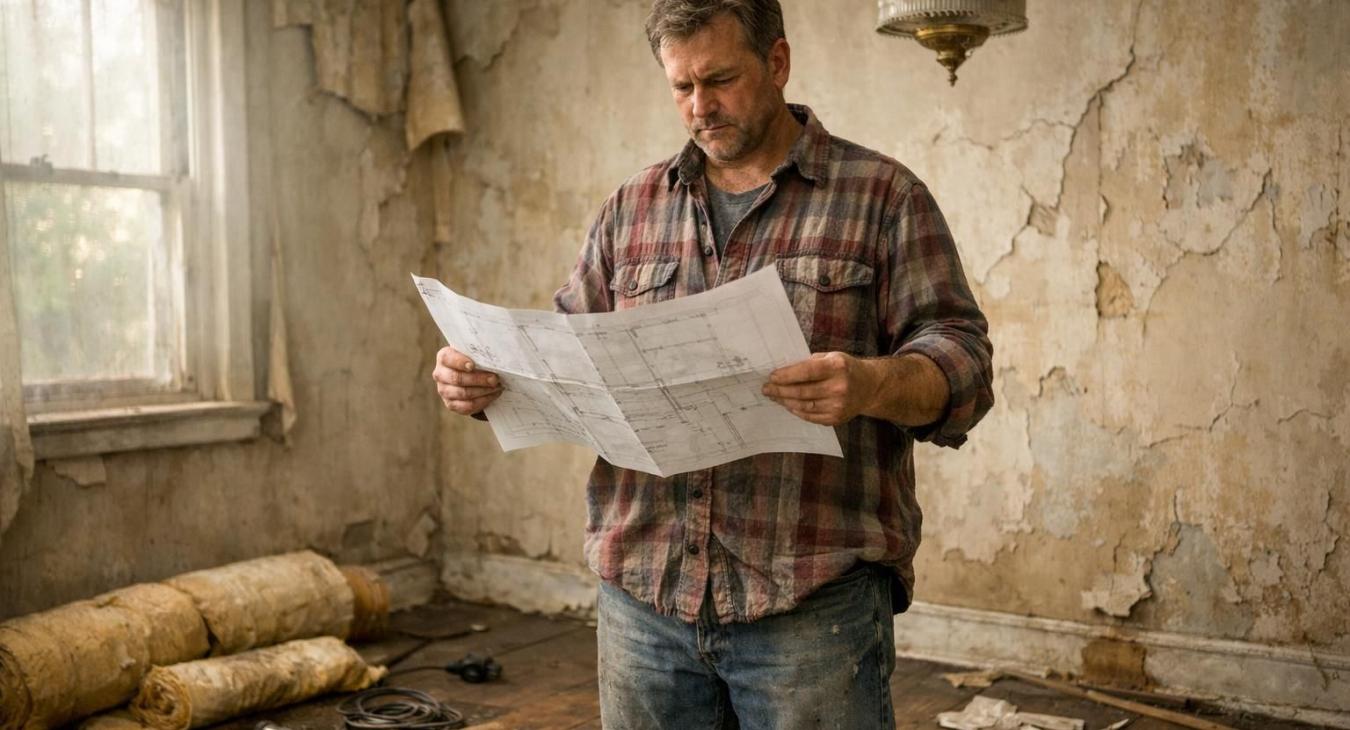
Accurate rehab cost estimation is key for real estate success. Learn to assess costs by property type and avoid costly mistakes in your investments.
Table of Contents
- Importance of Accurate Rehab Cost Estimation
- Steps to Estimate Rehab Costs
- Key Factors Impacting Rehab Costs
- Estimating Costs by Property Type
- Tools for Rehab Cost Estimation
- Common Mistakes to Avoid in Rehab Cost Estimation
- Benefits of Using a Rehab Cost Estimator
- Complete Guide to Rehab Cost Estimation by Property Type
- Conclusion
- FAQs
Rehab Cost Estimation: Complete Guide by Property Type

Estimating rehab costs often feels overwhelming, especially when different property types come with their own challenges. Many real estate investors underestimate the impact of labor and material costs on house flips or investment properties. 1 If you want to succeed in real estate investing, you need a clear plan for accurate rehab cost estimation. This guide breaks down each step using practical tools like cost estimator calculators and spreadsheets, helping you avoid costly mistakes. 2
Years of hands-on experience in property inspection and project planning have shaped the advice shared here. You will learn how scope of work changes by property type—whether for single-family homes, multi-family buildings, or commercial spaces—and why getting multiple contractor quotes matters under current market trends. 3 The right strategy can save both time and money; read on to make smarter decisions today.
Key Takeaways
- Accurate rehab cost estimation prevents budget overruns. Use digital tools like REIkit or FlipperForce calculators and spreadsheets to track labor, materials, and permit fees for each property type.
- Labor costs can make up 40%-60% of your project’s expenses. For example, electricians and plumbers in cities like San Francisco may charge over $80 per hour as of 2023.
- Different properties need unique estimates: single-family homes often cost $20,000–$50,000 for kitchen/bath upgrades; commercial rehabs can exceed $100 per square foot due to stricter codes and higher permit fees.
- Always factor in hidden repairs by inspecting all areas with tools such as moisture meters. In one Texas house flip, unseen wiring problems added $4,000 to the rehab budget but prevented bigger expenses later.
- Track every line item—up to 40 categories—in your estimator tool. This approach improves planning accuracy, supports better lender communication, and meets legal requirements (like TILA) across changing markets in 2024.
Importance of Accurate Rehab Cost Estimation

Precise rehab cost estimation shapes your entire investment strategy. Detailed estimates for labor costs and material prices protect you from budget overruns, which often derail even experienced real estate investors.
A reliable scope of work lets you plan for every expense, including market price shifts in shingles or kitchen counters. Using a rehab cost estimate calculator during property inspection highlights hidden repairs that affect the project timeline and overall budget.
You gain an edge by factoring in both up-front expenses and potential delays. Overlooking permit fees or underestimating heavy rehab needs can lead to unexpected receipts or missed home loan deadlines.
My experience with house flips taught me that diligent research before checkout on materials at sites like amazon.com helps avoid costly surprises later. Following this approach supports a smoother process, accurate list pricing, and better returns when flipping homes under guidelines such as the Truth in Lending Act (TILA).
Proper preparation sets clear goals and gives your project lasting value in any market climate.
Back to topSteps to Estimate Rehab Costs

You need a systematic plan to estimate rehab costs for any investment property. Use guidance from cost estimation spreadsheets and a rehab cost estimate calculator to analyze every detail of your project.
Walking the Property
Walk the property slowly and check each room, wall, and fixture. Look closely for hidden repairs that might not show up at first glance. A thorough property inspection lets you find damage beneath floors or behind drywall.
Pay special attention to roofs, plumbing, electrical panels, and foundations since these can drive up total rehab costs if overlooked.
During one recent house flip in Texas, a detailed walkthrough uncovered faulty wiring in several outlets. That repair alone added $4,000 to the scope of work but saved larger expenses later.
Use tools like a flashlight and moisture meter to spot leaks or mold early on. Document all findings using your phone’s camera and cost estimation spreadsheets for reference.
Detailed notes from this step help you line up labor costs against known issues instead of guessing based on list price alone. Track every detail so your rehab cost estimate calculator reflects accurate material costs specific to the investment property type—single-family homes need different checks than commercial properties or multi-family units.
This hands-on approach cuts surprises and keeps real estate investors ahead during heavy rehabs or fast-moving markets.
Taking Detailed Notes
Carry a notebook or use the Kindle app on your tablet to document every detail during property inspections. Record all visible issues, from outdated wiring and plumbing to signs of water damage.
Take clear photos and label each room so you can match notes with line items in your rehab cost estimation calculator later.
Precise note-taking helps you categorize labor costs and material costs for each area of the property. This step ensures that your scope of work remains accurate, which is vital for house flipping projects and larger multi-family renovations.
Accurate documentation supports reliable budgeting on real estate investing projects while helping you spot hidden repairs before they impact your credit card budget or slow down heavy rehab efforts.
Creating Guesstimate Groupings
Group your rehab costs into clear categories to make quick estimates easier. Use the pre-loaded 15 renovation line items in your rehab cost estimate calculator, such as roofing, kitchen, and electrical work.
For more accuracy or special projects, add up to 40 custom line items. Enter labor and material costs for each category separately; totals update automatically. 1
As a real estate investor, you should focus on grouping key areas during property inspection: interior paint, flooring upgrades, foundation repairs, or HVAC overhauls. This method saves time and ensures nothing gets missed in your scope of work.
You can see where heavy rehab is needed without sifting through long lists of item prices. Guesstimate groupings help organize budgets for both small house flips and complex multi-family renovations while keeping labor costs transparent for lenders or partners. 2
Adjusting for Market Expectations
Local market expectations can greatly affect your rehab cost estimate. Buyers in some neighborhoods expect high-end finishes and brand-name appliances. Others look for basic updates at a lower price point.
You must research recent sales, list prices, and scope of work on similar properties to benchmark your budget.
Labor costs often change by city and region. For example, skilled trades in San Francisco may charge 40% more than those in Dallas due to demand and licensing rules. Material costs also vary depending on supply chain disruptions or trends such as designer tile or engineered wood flooring.
You should use data from a trusted rehab cost estimator calculator or spreadsheets that factor in historic sale numbers from the past year. Compare properties within the same zip code whenever possible for accuracy.
This first-hand approach lets you align your investment with real estate investing goals while staying competitive during house flips—especially where buyers are focused on turnkey homes rather than heavy rehab projects requiring weeks of extra labor.
Back to topKey Factors Impacting Rehab Costs

Several critical elements can shift your overall budget during a heavy rehab. Understanding how tools like a rehab cost estimate calculator or market trends affect project expenses helps you set clear targets for each property inspection.
Labor and Material Costs
Labor costs and material costs drive your rehab cost estimate. Skilled labor rates can vary by city, state, and even neighborhood; this often impacts your total project spending more than materials alone.
For example, trades like electricians or plumbers may charge $60 to $120 per hour in major markets like Houston or Los Angeles. Always compare bids from licensed contractors to get the best value based on your scope of work.
Material costs shift with supply chain issues, quality choices, and national trends. Lumber prices jumped over 180 percent in early 2021 during a nationwide building boom; now they have settled but remain about 25 percent higher than before the pandemic.
Using a rehab cost estimator calculator helps you track these changes and align product grades with local market expectations for house flips or heavy rehabs. Accurate estimates keep real estate investors competitive in any market setting while protecting profit margins on every deal.
Property Location and Market Trends
Location shapes your rehab cost estimate more than almost any other factor. Costs can swing by 10% to 30% between states because of resource availability and local labor costs. For example, contractors in Atlanta may bid much lower than crews in San Francisco or New York due to regional price differences.
As a real estate investor, you need to compare recent sales data and contractor bids from your target neighborhood.
Market trends shift fast, influencing both material costs and buyer expectations for finishes during house flips. In-network facilities often give you lower out-of-pocket expenses if you manage multiple projects within the same area.
Using tools like a rehab cost estimator calculator streamlines this research by letting you adjust for market-driven changes quickly. Always account for current demand so your property inspection aligns with what buyers want right now instead of last year’s standards.
Property Size and Condition
Larger properties often demand bigger budgets and longer timelines for rehab projects. For example, rehabbing a 4,000-square-foot multi-family unit typically costs much more than updating a 1,200-square-foot single-family home.
Your labor and material costs will increase as you tackle larger spaces or address multiple dwellings at once. A thorough property inspection helps you document every room and area in need of attention.
Distressed or neglected conditions can quickly add to your scope of work. Structures with extensive water damage, old wiring, or outdated HVAC may need full system replacements instead of quick fixes.
The estimator tool lets you track up to 40 categories so that no needed repair gets missed on your spreadsheet or rehab cost estimate calculator. Real estate investors find this level of detail critical when setting accurate budgets and aligning expectations with market trends.
You should always adjust your figures based on both square footage and the current state of the property before finalizing any offer or plan. Accurately estimating rehab costs empowers you to make smarter investment decisions while limiting costly surprises during renovation projects.
Back to topEstimating Costs by Property Type

Different property categories need unique approaches to estimating rehab costs. Use tools like a rehab cost estimate calculator and detailed spreadsheets to organize your scope of work and plan more effectively.
Single-Family Homes
Single-family homes set the standard for real estate investing in residential markets. The rehab cost estimator provides 15 default categories fit for these properties, including Roofing, Kitchen, and Bathrooms.
Many fix & flip investors use this tool to streamline their scope of work and achieve accurate material costs and labor costs. You can add or remove rows in your calculator to track up to 40 project areas for a detailed rehab cost estimate.
In my experience analyzing deals, using a structured estimator keeps budgets tight while preventing costly surprises during renovation. This approach lets you match market expectations and boost resale value.
Rehab estimators help real estate professionals stay organized with clear breakdowns by category. You gain an edge by addressing every line item from flooring upgrades to exterior paint in one place before construction begins.
Multi-Family Properties
Multi-family properties require more detailed rehab cost estimates than other asset classes. You must add line items for shared systems such as central heating, elevator repairs, or fire safety upgrades.
Each unit brings extra kitchens and bathrooms to account for in your scope of work. Adjust material costs and labor costs according to the number of units and common areas.
Use a customizable rehab cost estimate calculator like those found on REIkit or FlipperForce. These tools allow you to create new categories that match your project's needs. From personal experience, tracking every detail helps you avoid budget overruns and unexpected expenses during renovation.
A clear breakdown gives lenders confidence in your real estate investing plan while setting up better communication with potential partners in 2024's changing market trends.
Commercial Properties
Commercial property rehabs demand a specialized approach to your rehab cost estimate calculator. Each structure uses different materials, layouts, and systems compared to residential properties.
For example, steel framing in office buildings costs more than wood framing in homes. Your scope of work often expands because local codes for things like fire safety or accessibility are much stricter for commercial spaces.
Market benchmarking is crucial during estimating rehab costs on shops, hotels, or warehouses. Always compare material and labor costs with recent projects of similar size and type in your region.
In my own experience renovating a retail strip mall last year, code compliance required an unexpected $45,000 upgrade to the sprinkler system alone.
You must factor extra time into planning since commercial building permits may take longer to secure than those for single-family homes or duplexes. Labor costs tend to run higher due to the need for licensed specialists such as HVAC engineers and electricians familiar with complex systems found only in these types of properties.
Paying close attention early helps you avoid expensive surprises later and leads you toward successful project completion. 3
Back to topTools for Rehab Cost Estimation

You can use tools like a construction cost estimator, repair budget spreadsheets, or property analysis software to help you build an accurate rehab budget—keep reading to learn which tool fits your next project best.
Rehab Cost Estimator Calculator
A Rehab Cost Estimator Calculator helps you manage the full scope of work on any project. This tool comes pre-loaded with 15 common renovation line items, such as roofing, kitchen upgrades, and HVAC improvements.
Enter your projected labor costs and material costs for each category, and the calculator updates totals right away. These features help prevent mistakes when estimating rehab costs for single-family homes or larger multi-family properties.
Save your reports in PDF format or send estimates by email directly from the interface to share fast results with lenders or partners. Use this calculator to get a detailed cost breakdown at every stage of your project.
Making accurate budget plans is simple because all essential categories are covered automatically. Reduce errors that come from manually tracking expenses and boost communication among stakeholders on every job.
Cost Estimation Spreadsheets
Cost estimation spreadsheets let you organize every line item in your scope of work, from labor costs to material expenses. You can add or remove rows, making the tool flexible for any rehab project or property type.
Digital formats allow you to update figures instantly as contractor bids come in or if material prices shift.
Google Sheets and Microsoft Excel both support formulas that total your estimates automatically. Spreadsheets give you a clear view of all construction phases, letting you see where cash flow will be needed most.
Use these tools to adjust estimates quickly and help avoid costly budget overruns when estimating rehab costs on single-family homes, multi-family units, or commercial buildings.
Back to topCommon Mistakes to Avoid in Rehab Cost Estimation
Many professionals overlook crucial details in their scope of work or misjudge labor costs, but learning these common mistakes will help you become more accurate—explore the guide to sharpen your property analysis.
Underestimating Labor Costs
Underestimating labor costs can quickly derail your rehab project. Skilled labor rates vary by location and required expertise, so neglecting this factor can inflate expenses. If you skip collecting multiple contractor quotes, you may accept a rate that does not align with the market or the true scope of work.
For example, in 2023, cities like San Francisco saw hourly wages for skilled workers rise above $80 an hour. Larger metros often have unpredictable shifts in wage trends from quarter to quarter.
Overlooking labor costs affects your total budget more than any other cost area. Labor typically accounts for 40% to 60% of total project expenses according to recent industry data.
Rely on tools such as a rehab cost estimator calculator or tailored spreadsheets to compare bids and track actual costs versus estimates. These tools empower you to set realistic budgets and adjust based on current market conditions instead of guesswork.
Always match each job's skill level with accurate pay rates within your property’s location. Doing this helps achieve your design goals while avoiding costly surprises during construction or renovation phases.
Careful planning leads to smoother projects and protects your profits over time.
Ignoring Hidden Repairs
Skipping a thorough inspection lets hidden repairs slip through the cracks. Mold behind walls, outdated electrical panels, and damaged foundations often drive labor costs far above your original budget.
Failing to uncover these issues during inspection almost always leads to unexpected expenses later in the project.
Detailed inspections using tools like thermal cameras or moisture meters help you spot these problems early. Create a checklist for each property type—single-family homes might hide leaky roofs while commercial buildings could mask faulty HVAC systems.
Spotting hidden repairs at the start keeps your rehab cost estimator accurate and protects your profit margins from surprise overruns.
Failing to Account for Permits and Fees
Local governments require permits for most rehab projects to ensure compliance with building codes. Missing these expenses can lead to stop-work orders, costly delays, or fines that throw off your entire budget.
Permit fees vary greatly from city to city and may change based on the scope of work or property type. For example, a full gut renovation in Los Angeles often demands separate permits for plumbing, electrical systems, and structural updates.
Overlooking permit costs makes you vulnerable to unexpected fees that can drain your project’s profit margins. Integrate all projected local permit charges into your initial cost estimation using digital tools like a rehab calculator or estimation spreadsheet.
This approach keeps your budget accurate and puts you one step closer to achieving a smooth renovation process without expensive setbacks.
Back to topBenefits of Using a Rehab Cost Estimator
You gain a clear view of your project expenses with a reliable cost calculator or spreadsheet. These tools help you plan each step and reach renovation goals with confidence.
Organized Cost Breakdown
An organized cost breakdown keeps every expense visible and under control. Use a rehab cost estimating tool that allows up to 40 custom line items for precise tracking of each repair or upgrade.
With this feature, you can track costs right down to specific fixtures or labor needs instead of lumping everything together. Expand the default 15 categories as your project grows for even better detail.
Customize categories such as electrical work, roofing, plumbing, or landscaping based on what your rehab property demands. Download PDF reports from the calculator so your documentation stays neat and ready to share with lenders or partners at any stage.
This also brings clarity during meetings since everyone sees not just total costs but how those costs build up across different phases.
In my own projects, I saved time by using these features to spot budget overruns early and catch missed repairs before they became surprises later on site. These tools reduce mistakes common in manual spreadsheets while letting you focus more energy on making smart investment decisions instead of getting lost in paperwork.
Accurate Budget Planning
Accurate budget planning starts with entering projected rehab costs by category, such as demolition, framing, plumbing, electrical work, and finishing. A rehab cost estimator calculator allows you to input these numbers quickly while updating totals in real time.
This tool ensures your overall budget reflects the latest data if material or labor costs change before closing on a rehab loan.
Using cost estimation spreadsheets keeps every dollar accounted for and prevents overlooked expenses like permits or fees. Investors who plan budgets using category breakdowns avoid costly surprises compared to those who estimate lump sums without details.
These tools give you control over financial decisions and help you present organized numbers to lenders or partners for better communication and trust within your projects.
Improved Communication with Lenders or Partners
Sharing your rehab cost estimates with lenders or partners builds trust quickly. Send detailed budgets as emails or PDFs to make every step clear for financial stakeholders. Use tools like a rehab cost estimator calculator or organized spreadsheets to present numbers in an easy-to-read format.
Transparency supports stronger relationships and helps speed up loan approvals. Lenders see exactly where you plan to invest money, which adds credibility and confidence in your abilities.
Well-prepared documents often lead to easier funding decisions from banks or private investors, helping you close deals faster.
Back to topComplete Guide to Rehab Cost Estimation by Property Type
Start rehab cost estimation by understanding how different property types require unique attention. Residential, commercial, industrial, and mixed-use buildings each come with their own challenges.
For example, single-family homes often need upgrades to kitchens or bathrooms. These jobs can run from $20,000 to $50,000 depending on location and material quality. Multi-family properties usually have shared spaces like lobbies or laundry areas that increase your overall costs.
Commercial projects may demand specialized work such as fire suppression systems or ADA compliance adjustments. Costs for commercial rehabs range widely but can exceed $100 per square foot in some major cities due to permit fees and labor demands.
Industrial sites bring even more complexity if you handle equipment removal or hazardous material abatement. Mixed-use properties combine standards from the residential and commercial sectors; create separate line items for each use within your estimator tool.
In my experience using a digital rehab cost estimator calculator helps track these differences clearly across all property types. You gain fast insight into expenses like permits and repairs when you update spreadsheets for each scenario in real time.
Jacquelyn Buffo, M.S., L.P.C., C.A.A.D.C., recommends breaking down costs by area of need instead of lump sums so investors avoid surprise overruns while meeting market expectations.
You should also address addiction rehab costs if working with treatment centers as investments in this sector are rising post-2020 amid opioid rehabilitation efforts nationwide. Insurance coverage plays a large role here; private insurance covers an average daily rate of about $500 while out-of-pocket rates reach up to $1,000 per day at premium facilities according to industry reports from 2023.
Rural communities face higher transportation costs for both building materials and patient care services during facility renovations or addiction program delivery compared to urban centers.
Always include professional assessments before starting such projects because state requirements vary widely especially between medical-based rehabs versus counseling-only programs.
Support lines remain available for confidential help regarding substance abuse financing questions across the United States; using them connects you directly with experts who understand local laws and funding options specific to your plan type.
Back to topConclusion
Establishing accurate rehab cost estimates helps you avoid major budget surprises. Use digital calculators and estimation spreadsheets to keep your costs clear for each property type.
Focus on reliable quotes, check local codes, and compare labor rates before starting work. Your planning today protects your project’s profit tomorrow. Take the next step with confidence and reach out if you need support or more resources on rehab cost estimation.
Back to topFAQs
1. How does rehab cost estimation differ by property type?
Rehab cost estimation changes based on whether you own a single-family house, duplex, or apartment building. Each structure has unique needs and repair standards. For example, apartment buildings often need larger budgets for shared spaces like lobbies or elevators.
2. What factors impact the total rehab costs for different properties?
Key factors include property size, age of the building, needed repairs, and material quality. Older homes may require updates to wiring or plumbing. Multi-unit dwellings might need upgrades in several kitchens or bathrooms at once.
3. Why is accurate rehab cost estimation important before starting work?
Accurate estimates help set clear project goals and avoid budget surprises during renovations. Knowing your numbers lets you plan financing and prioritize improvements that boost value most.
4. Can I use one method to estimate costs across all property types?
No; each property type calls for a tailored approach to estimating costs. A condo unit’s simple layout differs from a triplex with separate systems in each space. Matching your method to the specific structure ensures reliable results and smarter decisions throughout your project journey.
References
- ^ https://www.amazon.com/Book-Estimating-Rehab-Costs-Renovation/dp/1947200127
- ^ http://www.mchip.net/browse/u123DC/242159/The%20Book%20On%20Estimating%20Rehab%20Costs%20The%20Investor%20S.pdf
- ^ https://www.researchgate.net/publication/371174362_Calculation_of_the_estimated_cost_in_the_assessment_of_the_market_value_of_real_estate