

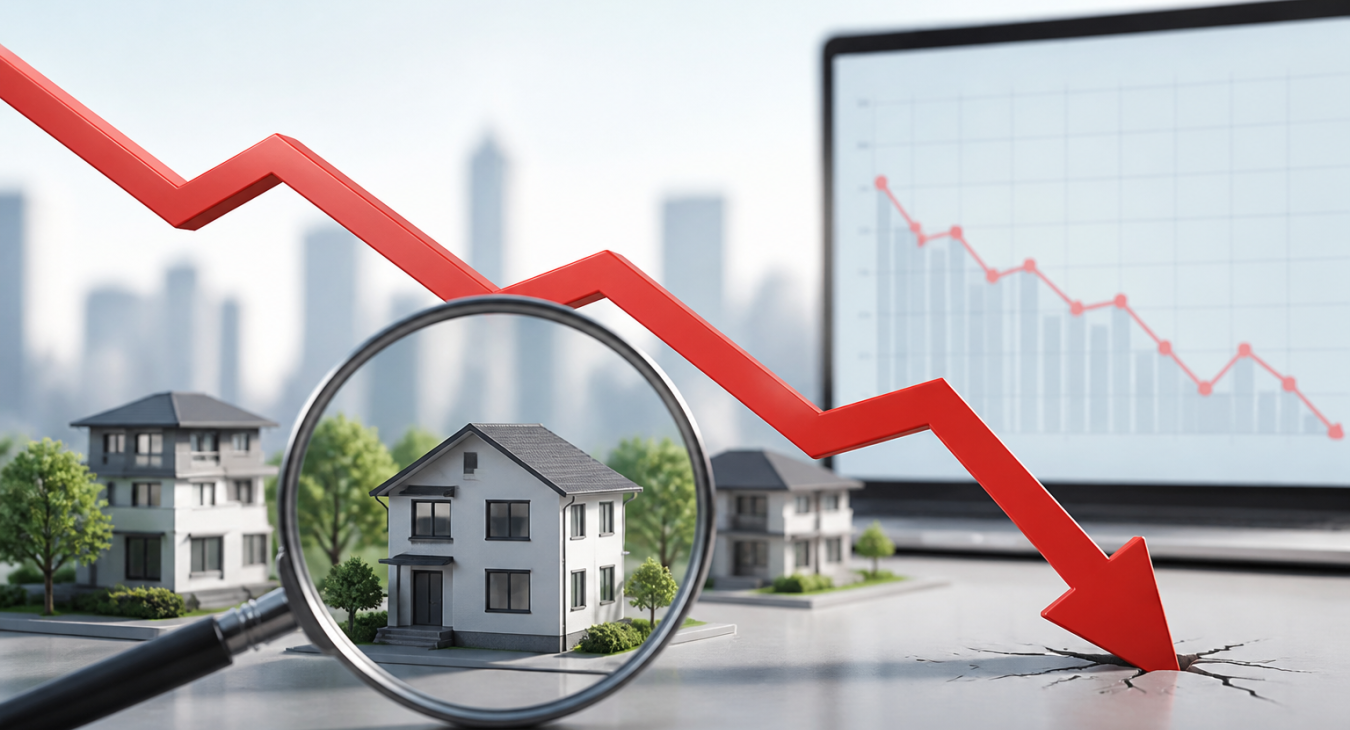
Discover why your real estate SEO ranking dropped and proven recovery strategies to restore visibility, leads, and market position fast.
Products and Tools Mentioned in this Post
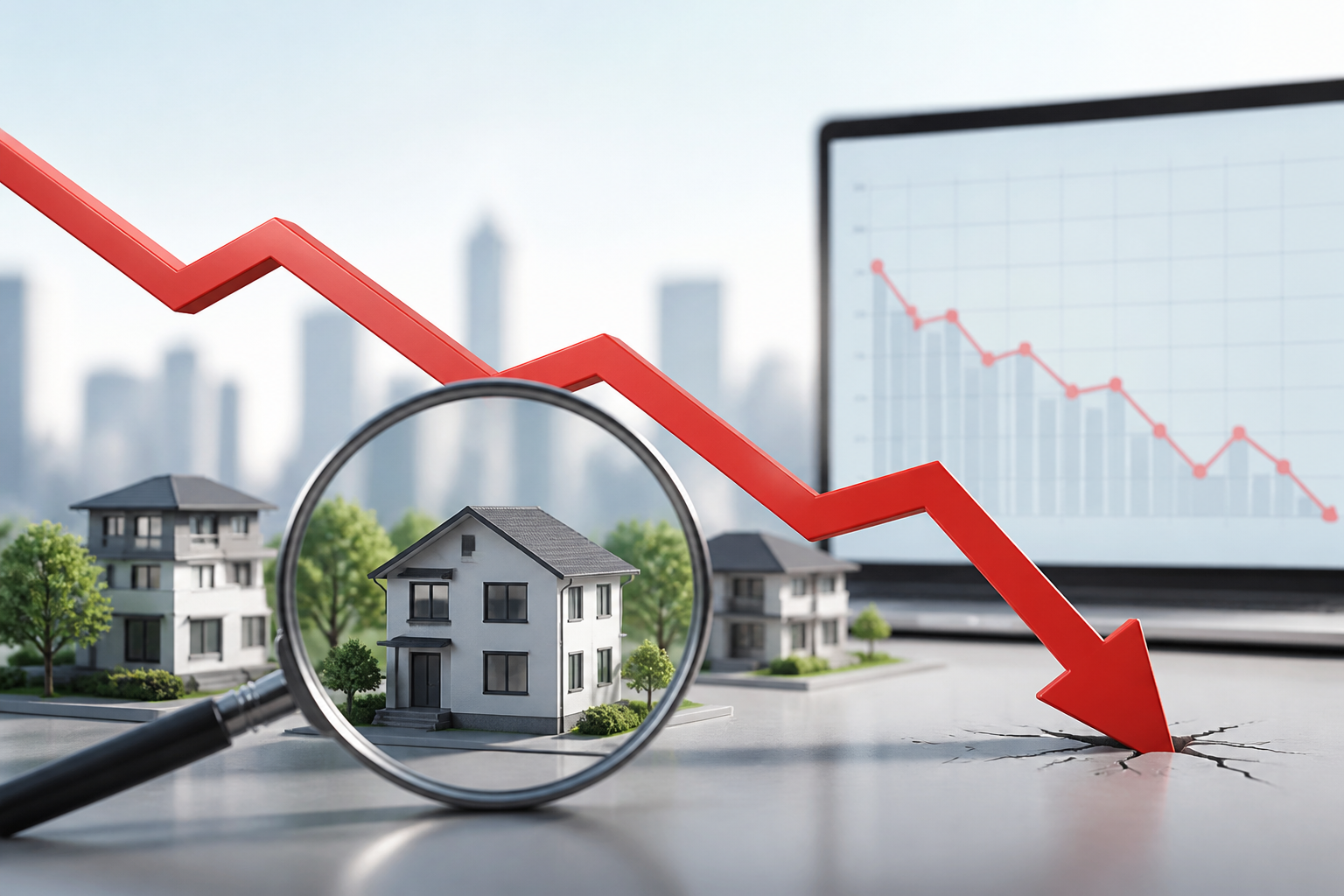
Table of Contents
- Your Real Estate SEO Rankings Dropped: Here's Why
- Diagnosing Your Real Estate Ranking Drop: Step-by-Step
- Real Estate SEO Recovery Plan: 9-Step Action Framework
- Real Estate-Specific Ranking Drop Scenarios
- Common Real Estate SEO Mistakes That Cause Ranking Drops
- Real Estate SEO Tools to Monitor and Prevent Future Drops
- When to Seek Professional Help for Real Estate SEO Recovery
Your real estate SEO rankings just tanked. That's not a technical headache — it's a revenue problem. When your listings vanish from page one or your local pack disappears, the phone stops ringing. Form submissions crater. Your competitors start grabbing the buyers and sellers who should be calling you instead. You've probably noticed your real estate SEO ranking dropped recently. And you're definitely not the only one dealing with this right now. The good news? Most ranking drops are fixable. With the right diagnostic framework and a recovery strategy built for real estate specifically, you can get back to full visibility in weeks, sometimes just a few months. This guide covers every likely culprit, every diagnostic test you need to run, and exactly what to do to climb back up — all tailored to how the real estate market actually works.

Your Real Estate SEO Rankings Dropped: Here's Why
Most SEO guides will tell you to check backlinks and audit content. Sure, do that. But real estate sites operate under a completely different set of ranking rules that generic SEO advice completely misses. If you want to recover, you've got to understand what actually tanked your visibility.
Algorithm Updates and Real Estate SERP Changes
Google didn't just update once between 2024 and 2026 — they rolled out multiple core updates that hammered local service businesses, especially real estate agents and brokerages. The March 2024 Core Update, August 2024 Core Update, and the ongoing Helpful Content system all changed the game. Thin neighborhood guides? Auto-generated listing descriptions? Content built purely for ranking? All got crushed.
And here's what matters now: E-E-A-T (Experience, Expertise, Authoritativeness, Trustworthiness). Your agent bios, credentials, and actual local market knowledge became ranking signals that directly compete with your content quality. The 2025 updates made this even more brutal.
| Google Update | Date | Real Estate SERP Impact | Recovery Tactic That Worked |
|---|---|---|---|
| March 2024 Core Update | March–April 2024 | Mass devaluation of thin neighborhood and listing content; portal sites gained visibility | Consolidating thin pages, adding market data and local insight to neighborhood guides |
| August 2024 Core Update | August 2024 | Sites with excessive AI-generated property descriptions penalized; local intent queries reshuffled | Human-edited, experience-based content; adding agent review signals |
| 2025 Helpful Content Refinement | Rolling, 2025 | Agent authority signals weighted more heavily; duplicate agent roster pages dropped | Unique agent bios, individual service area pages, credential markup |
| 2026 Local Search Updates | Rolling, 2026 | GMB engagement signals (photos, posts, Q&A) factored more into local pack positioning | Weekly GMB posts, fresh photos, active Q&A management |
Local SEO Factors Specific to Real Estate
Real estate is local. Period. That means your rankings live and die by signals that national ecommerce sites never think about. Google's local pack — those three business results with the map — is prime real estate for agents and brokerages looking to dominate.
Your local pack visibility drops when your Google Business Profile engagement tanks, when proximity algorithms shift, or when competitors start actually optimizing their profiles while you're asleep at the wheel. No fresh photos in 90 days? Haven't posted a market update in weeks? Your local visibility will bleed out slowly.
Citation and NAP Inconsistencies
Zillow, Realtor.com, Homes.com, Yelp — these platforms are ranking signals for real estate professionals. You know what kills visibility fast? Inconsistent Name, Address, and Phone (NAP) data across all of them. Different office addresses. Phone numbers formatted differently. Business name variations. Google's trust in your location and legitimacy drops immediately.
This one catches agents off guard all the time because the ranking decline feels random.
Content Quality Issues in Real Estate Niches
Stale listing content will destroy your rankings. Your site pulling MLS data that hasn't refreshed in weeks? Neighborhood guides with 2021 market statistics? Google's crawlers catch that decay instantly. Real estate moves fast — buyers and sellers need current intel, and Google rewards sites that provide it.
Duplicate agent bios are another killer. Twelve agents with nearly identical profiles? That triggers ranking suppression across the board.
Technical SEO Problems Affecting Real Estate Sites
Real estate websites are technical minefields. IDX integrations, massive image galleries, dynamic listing pages, multiple service area subdirectories — it all creates massive SEO risk. Slow pages from unoptimized property images. Broken IDX feeds creating orphaned pages. Missing schema markup for agents and properties. Mobile responsiveness that makes users want to punch their phone.
Over 70% of real estate searches happen on mobile now. Any mobile UX failure hits your rankings directly.
Back to topDiagnosing Your Real Estate Ranking Drop: Step-by-Step

First things first: understand what actually dropped, when it happened, and why. Skip the diagnosis and you'll waste weeks chasing fixes that don't exist—or worse, make things worse.
Confirm the Drop Is Actually Real
Here's the thing—not every ranking dip you see is real. Personalization, location-based results, device-specific ranking variations, and glitchy rank tracking tools throw false alarms constantly. You need at least two independent data sources to confirm. Pull your Google Search Console impressions data and cross-check it against a third-party rank tracker like Semrush or Ahrefs. If GSC shows impressions and clicks declining consistently over 7–14 days or longer, you've got a genuine problem on your hands.
Classify Your Ranking Drop Type
The classification matters—it tells you exactly where to look. A sudden, sitewide drop that lines up with a Google algorithm update date? That's a quality signal issue. A gradual decline over weeks across specific service areas points to citation decay, competitors outpacing you, or outdated content. A local pack disappearance while your organic rankings stay put signals a Google Business Profile problem. And query-type drops — where buyer-intent searches tank but seller searches hold steady — mean your content targeting's misaligned.
Check Google Search Console for Real Estate-Specific Issues
Jump into GSC and filter Performance by query type. Real estate sites need to track these separately: location-based queries like "homes for sale in [city]," branded agent or brokerage queries, property-type searches like "luxury condos [neighborhood]," and "real estate agent near me" style queries. Then hit the Coverage report and look for crawl errors—IDX-generated pages are notorious for breaking. Don't skip Core Web Vitals either. Check both mobile and desktop. Largest Contentful Paint (LCP) on listing detail pages? That's typically your slowest, and it matters.
Analyze Competitor Movements in Your Market
Your rankings fell but you haven't touched anything? Competitors probably got better. Run a quick check in SEMrush or Ahrefs for competing agents or brokerages in your area. Did they land major backlinks? Launch new service area pages? Beef up their GBP profile? Knowing whether you dropped or got pushed determines your entire recovery strategy—and it changes everything.
Review Recent Site Changes and Updates
This is where most people skip a crucial step. Check your CMS update history and hosting logs. Did your IDX plugin update and change URL structures without redirects? Someone nuke the schema markup during a redesign? Did your image optimization tool change compression settings? Even good-intentioned changes tank rankings if they affect crawlability, page speed, or structured data. Matching your drop timeline to site changes? That's often the fastest way to find what broke.
Back to topReal Estate SEO Recovery Plan: 9-Step Action Framework

You've found the problem. Now comes the hard part — actually fixing it. This 9-step framework tackles every ranking drop we see in real estate, ordered by what typically matters most and what you should tackle first.
Step 1: Audit Your Real Estate Citations and NAP Data
Pull your business information from Google Business Profile, Zillow agent finder, Realtor.com agent directory, Homes.com, Yelp, Facebook Business, and your local MLS directories. These are the platforms that move the needle. Here's what matters: every single listing needs identical NAP data. Your business name. Your address. Your phone number. Exact same format, every time. "St." versus "Street"? That's a problem. "(555) 123-4567" versus "555-123-4567"? Google sees those as different data points. Even small inconsistencies dilute your citation authority and kill local rankings.
| Platform | Update Frequency Recommended | Ranking Impact | Correction Priority | Notes |
|---|---|---|---|---|
| Google Business Profile | Weekly (posts); monthly (info audit) | Very High | Immediate | Primary local pack signal; photo freshness matters |
| Zillow Agent Finder | Monthly review | High | High | Zillow's domain authority passes significant citation weight |
| Realtor.com Agent Directory | Monthly review | High | High | NAP consistency critical; reviews impact trust signals |
| Homes.com | Quarterly | Moderate | Medium | Growing platform; increasing citation weight in 2025–2026 |
| Yelp | Monthly review | Moderate | Medium | Review volume and recency affect trust signals |
| Facebook Business | Monthly | Moderate | Medium | Social signals and check-in data contribute to local relevance |
| Local MLS Directories | Quarterly | Moderate–High | Medium–High | Local relevance and niche authority; varies by market |
| Better Business Bureau | Annually | Low–Moderate | Low | Trust signal; NAP accuracy still matters |
Step 2: Optimize Your Google My Business Profile

Your GBP is the engine. After you fix NAP, hit this checklist hard. Verify your categories — "Real Estate Agent" or "Real Estate Agency" as primary, then add the relevant secondary ones. Upload 10+ fresh, high-quality photos. Office exterior. Team shots. Recent closed transactions (with permission). Write a business description that uses local keywords naturally. Fill in every service area. Enable messaging. Respond to every review.
And here's the thing Google actually cares about: engagement signals. Photo views. Direction requests. Website clicks. These are baked into local ranking algorithms. Post once per week minimum.
Step 3: Update and Refresh Listing Content
Stale content tanks rankings. It's that simple. Go through every neighborhood guide, market report, and service area page. Check the numbers. Are those median home prices still accurate? School ratings updated? Community information current? For IDX pages, make sure your system pulls fresh MLS data. Sold listings should redirect properly — don't let them turn into 404 errors.
Add a "Last Updated" date. This signals recency to both users and Google. Better yet? Create quarterly market update posts targeting your core location keywords. You get fresh content signals and you give prospective clients something actually worth reading.
Step 4: Improve Page Speed and Core Web Vitals
Real estate sites are fat. Heavy property images slow everything down. Open Google PageSpeed Insights. Target 75+ on mobile. You want that.
The fastest wins for real estate? Convert images to WebP (typically 50–70% smaller than JPEG, same quality). Enable lazy loading on image-heavy pages. Kill render-blocking scripts from IDX integrations. A one-second improvement in mobile load time lifts conversion rates 8–10% and helps rankings, especially on competitive local keywords.
Step 5: Fix Technical SEO Issues
Run Screaming Frog, Sitebulb, or SEMrush's site audit. In real estate, these issues kill rankings: broken links from expired listings (301 redirect to active listings or category pages instead), duplicate title tags across agent profiles (each agent needs unique, keyword-rich titles), missing schema markup (LocalBusiness and RealEstateAgent at minimum), and XML sitemaps that exclude service areas or neighborhood pages.
Schema markup? Pay attention here. Properly implemented RealEstateAgent schema with NAP data, service areas, ratings, and price range changes how Google understands and displays your site in results.
Step 6: Build Strategic Internal Links
Internal linking gets overlooked. Don't. It's one of the most powerful tools for pushing authority where it matters and signaling topical relevance to Google.
Build a hub-and-spoke structure. Main service area pages link to neighborhood guides. Neighborhood guides link to listing categories. Those link back up. Serve multiple cities? Your homepage should link to each city page with keyword-rich anchor text like "homes for sale in [City Name]" — not generic stuff. Agent bios should link to neighborhoods they specialize in. This creates topical authority at every level.
Step 7: Enhance Content Quality and Keyword Targeting
Real algorithm recovery means actual content improvement. Go beyond basic property descriptions.
Write neighborhood content that digs in. School district analysis. Commute times to major employers. Market trends with real data. Community specifics buyers actually need to know. Use semantic keyword strategy — don't just chase "homes for sale in Denver." Cover "Denver real estate market trends," "best neighborhoods in Denver for families," and "Denver first-time homebuyer guide." This topical breadth signals full expertise to Google's systems. If you're exploring different real estate investing strategies, make sure your content reflects the full range of services your team handles.
Step 8: Analyze and Improve Your Backlink Profile
Pull your backlinks in Ahrefs or SEMrush. Look for three things.
New toxic links before your drop? Flag them for disavow. High-quality links you lost? Reach out and reclaim or replace them. Ranking gaps versus competitors? Study what they have that you don't. For real estate link building, focus on local business associations, community sponsorships with link coverage, local news mentions when you close notable deals, and market commentary in local media. These locally relevant links punch way above their weight for real estate local SEO.
Step 9: Monitor and Adjust Your Strategy
Recovery isn't a one-time project.
Set up monthly monitoring. Track rankings across service areas. Monitor GBP insights (searches, views, actions). Watch GSC impressions and CTR. Check Core Web Vitals. Verify citation consistency. Flag new competitor activity. Build a simple Google Looker Studio dashboard that pulls GSC and GBP data automatically. Real estate markets shift constantly. Your SEO strategy needs to shift with them. Agents who treat SEO as a living system outrank those who optimize once and disappear.
Back to topReal Estate-Specific Ranking Drop Scenarios

Not all ranking drops are created equal. The pattern tells the story—and the story determines your fix. Nail down which scenario you're actually in, and you'll know exactly where to spend your recovery effort and what timeline to expect.
Scenario 1: Sudden Loss Across All Markets
You wake up and your rankings are gone. Across all keywords. All markets. Within 24–72 hours. This screams algorithm update. Pull Google's update history and cross-reference the date your traffic tanked. Sites hit by core updates face a brutal reality: they don't recover until the next core update rolls (typically 3–6 months out) unless you actually fix the underlying quality problem. Here's what you do immediately: full content quality audit, kill any thin or duplicate pages, and beef up your E-E-A-T signals everywhere on the site. Recovery timeline: 3–6 months if you commit to real quality work.
Scenario 2: Gradual Decline in Specific Service Areas
Your market in Charlotte is fine. But your Raleigh rankings? Bleeding out over the last 60–180 days. This isn't a Google hammer—it's local rot. Usually it's citation inconsistencies (your address listed three different ways across the web), stale content targeting those markets, or a competitor who's quietly built serious authority there. Pull your citation data for those specific markets, audit the content depth you're targeting them with, and reverse-engineer what your competitors built out in their GBP and website strategy. Recovery timeline: 2–4 months with actual local SEO legwork.
Scenario 3: Loss of Local Pack Rankings
You're still showing up in organic. You've vanished from the map. That's a GBP problem, not a site problem. Maybe your Google Business Profile got suspended. Maybe it's pending verification. Could be proximity algorithm shifts, your review velocity tanked compared to competitors, or someone just opened an office closer to the geographic center of your service area. Check your GBP status right now. Then focus on what actually moves the needle: fresh reviews (ask recent clients directly for Google reviews), new photos uploaded weekly, and consistent GBP posts. Recovery timeline: 4–10 weeks with active GBP management.
Scenario 4: Competitive Encroachment in Your Market
Sometimes your rankings didn't fall. You got pushed. A competitor hired an actual SEO agency, built out a neighborhood content hub, or scored backlinks from heavy-hitting local sites. And now they own rankings you used to own. Good news? You can fight back. Analyze exactly what they built—their content structure, their authority sources, their gaps. Then outexecute them. Build better content, go harder on authority. But here's the real question: is your digital marketing budget actually calibrated for the competitive heat in your market right now? If not, you'll lose this war regardless of strategy. Agents juggling properties and revenue might find it worth exploring real estate tax strategies to free up capital for serious marketing reinvestment. Recovery timeline: 3–9 months depending on how big the competitive gap is.
| Drop Scenario | Key Indicators | Primary Cause | First Action | Recovery Timeline |
|---|---|---|---|---|
| Sudden Sitewide Drop | Drops within 72 hours; aligns with update date | Algorithm update / quality signal | Content quality audit; E-E-A-T improvements | 3–6 months |
| Gradual Area-Specific Decline | Slow erosion over 60–180 days in specific markets | Citation decay, content staleness, or competitor growth | Citation audit; local content refresh | 2–4 months |
| Local Pack Disappearance | Map rankings gone; organic rankings stable | GBP issue, review decline, proximity shift | GBP audit; review generation campaign | 4–10 weeks |
| Competitive Encroachment | Competitor gained rankings you previously held | Competitor SEO investment or content expansion | Competitive gap analysis; authority building | 3–9 months |
| Manual Penalty | GSC manual action notification; severe organic drop | Unnatural links, cloaking, or spam | GSC manual actions review; link disavow or reconsideration request | 2–6 months post-reconsideration |
Common Real Estate SEO Mistakes That Cause Ranking Drops

Here's the thing: if you know what tanks your rankings, you can prevent it from happening. The mistakes below? Real estate pros make them constantly, and Google's literally built penalties around them.
Neglecting Citation Management
You set up your Zillow, Realtor.com, and GBP profiles years ago. Then you moved offices, changed your phone number, tweaked your business name — and never went back to update those profiles. That's how citation inconsistencies explode and your local authority tanks.
Add citation audits to your quarterly calendar. Tools like BrightLocal or Whitespark let you manage dozens of platforms from one dashboard instead of manually checking each one.
Over-Optimizing for Keywords (Keyword Stuffing)
Cramming "homes for sale in [city]" across your entire page seems logical. Don't do it. Google penalizes unnatural keyword density hard, and your bounce rate spikes when content reads like spam instead of actual useful information.
That matters because poor user experience signals go straight back to Google's algorithm.
Write for the human first. Use your target keywords naturally. Add semantic variants. A neighborhood guide that actually reads like a guide will crush stuffed content every single time under today's algorithm.
Ignoring Mobile and User Experience
People search for properties on their phones. If your listings don't render right on mobile, your buttons are too small to tap, or your contact form has five unnecessary scroll sections, users leave instantly. Google catches this through Core Web Vitals and engagement metrics.
Run your site through Google's Mobile-Friendly Test and PageSpeed Insights monthly. Treat "Poor" CWV scores as business emergencies, not minor tech issues. If you're using AI tools for real estate business operations, many now include automated performance monitoring that'll flag problems before they hurt your rankings.
Failing to Update Listing Content
Dead listing pages. Market data from 2022. Expired property descriptions that haven't been touched in years. Google sees all of it as content decay.
Build a content freshness protocol: audit your top 20 traffic drivers quarterly and refresh any statistics, pricing, or market info. Use 301 redirects for sold listings instead of letting them return 404 errors. If your IDX isn't automating this, make it a priority fix.
Black-Hat SEO Tactics in Real Estate
Competition from big real estate portals is real, and some agents have gotten desperate. Buying backlinks from link farms. Running private blog networks (PBNs). Building doorway pages for dozens of micro-local searches. Using cloaking to show Google one thing and users another.
Short-term spike possible. But you're almost certainly looking at algorithmic suppression or a manual penalty afterward.
And recovery? A formal Google reconsideration request after a manual penalty takes 3–6 months or longer. The math doesn't work. Legitimate SEO strategies compound over time with way less risk.
Back to topReal Estate SEO Tools to Monitor and Prevent Future Drops

Stop treating SEO like a fire you put out when it burns. The right tools let you catch problems before they tank your rankings. Here's what actually works for real estate investors and agents.
| Tool | Primary Function | Real Estate Use Case | Price Range | Best For |
|---|---|---|---|---|
| Google Search Console | Performance, coverage, Core Web Vitals monitoring | Track query performance by service area; identify crawl errors on listing pages | Free | All real estate professionals |
| BrightLocal | Local SEO rank tracking, citation audit, GBP management | NAP consistency monitoring; local pack rank tracking across multiple cities | $39–$79/month | Agents and brokerages with multi-location presence |
| SEMrush | Keyword tracking, competitor analysis, site audit | Competitive visibility analysis; backlink gap identification; technical SEO auditing | $130–$500/month | Brokerages with SEO-focused marketing teams |
| Ahrefs | Backlink analysis, keyword research, rank tracking | Backlink profile health monitoring; competitor content analysis | $99–$399/month | Agents investing heavily in content and link building |
| Whitespark | Citation building and auditing, local rank tracking | Real estate citation cleanup across Zillow, Realtor.com, and local directories | $33–$83/month | Agents focused on local pack recovery |
| Screaming Frog | Technical site crawl | Identifying broken links from expired listings; schema markup errors; duplicate content across agent pages | Free (up to 500 URLs); £149/year for full version | Technical SEO audits of real estate sites |
| Google Business Profile Insights | GBP performance tracking | Monitor direction requests, phone calls, website clicks from local search | Free | All agents with GBP profiles |
Here's the real talk: if you're actively buying leads while you rebuild your SEO, that's not cheating—it's smart portfolio management. Check out the best places to buy real estate leads in 2025 to keep cash flowing during those recovery periods when organic traffic hasn't bounced back yet.
Google Search Console for Real Estate
This is free. Use it. You'd be shocked how many agents skip this step, then wonder why their listing pages disappeared from search. Beyond the basics, segment your query data by what people actually search for: location-based queries (gold for local agents), property type searches, and informational content. Set up email alerts for coverage problems so you catch de-indexed listings the day they happen, not three months later. And check your Links report monthly. Negative SEO attacks aren't common in real estate, but they happen in competitive markets—better to spot them early.
Rank Tracking Tools
Most rank trackers are garbage for real estate. They don't understand local markets.
You need a tool that tracks rankings by city or zip code. It should separate organic results from local pack rankings. Most importantly, it needs to alert you when positions shift by more than your threshold—say, 3+ spots. BrightLocal and SEMrush both have geo-specific tracking that basic tools just don't offer.
Citation Audit Tools
Bad citations kill your local pack visibility. BrightLocal's Citation Tracker and Whitespark's Citation Finder will scan hundreds of directories and flag NAP inconsistencies automatically. When you first notice a drop, run a full audit. Then quarterly after that. For brokerages juggling dozens of agent profiles, Yext is worth the investment—it syncs your data across 100+ platforms simultaneously.
Back to topWhen to Seek Professional Help for Real Estate SEO Recovery
You can't always fix ranking drops yourself. Knowing when to bring in professionals? That's what separates investors who recover fast from those who bleed money for months.
Manual Penalties and Recovery
Check Google Search Console right now. If you see anything under "Security & Manual Actions," Google's spam team has flagged you directly. They don't do this lightly — it's usually unnatural links, thin content at scale, or outright deceptive tactics. You'll need to find those bad links, disavow them, fix your site, and submit a reconsideration request. And here's the kicker: a botched reconsideration request doesn't just fail. It extends your penalty. This isn't the time to wing it. Get an SEO agency with manual penalty recovery experience. Period.
Complex Technical Issues
Your site's running a complex IDX integration with thousands of listing pages. Dynamic URLs everywhere. Or maybe you just migrated and nobody thought about SEO implications. These aren't problems you solve in an afternoon. You need professional technical SEO help if you're seeing crawl errors you can't trace, GSC
Back to top