

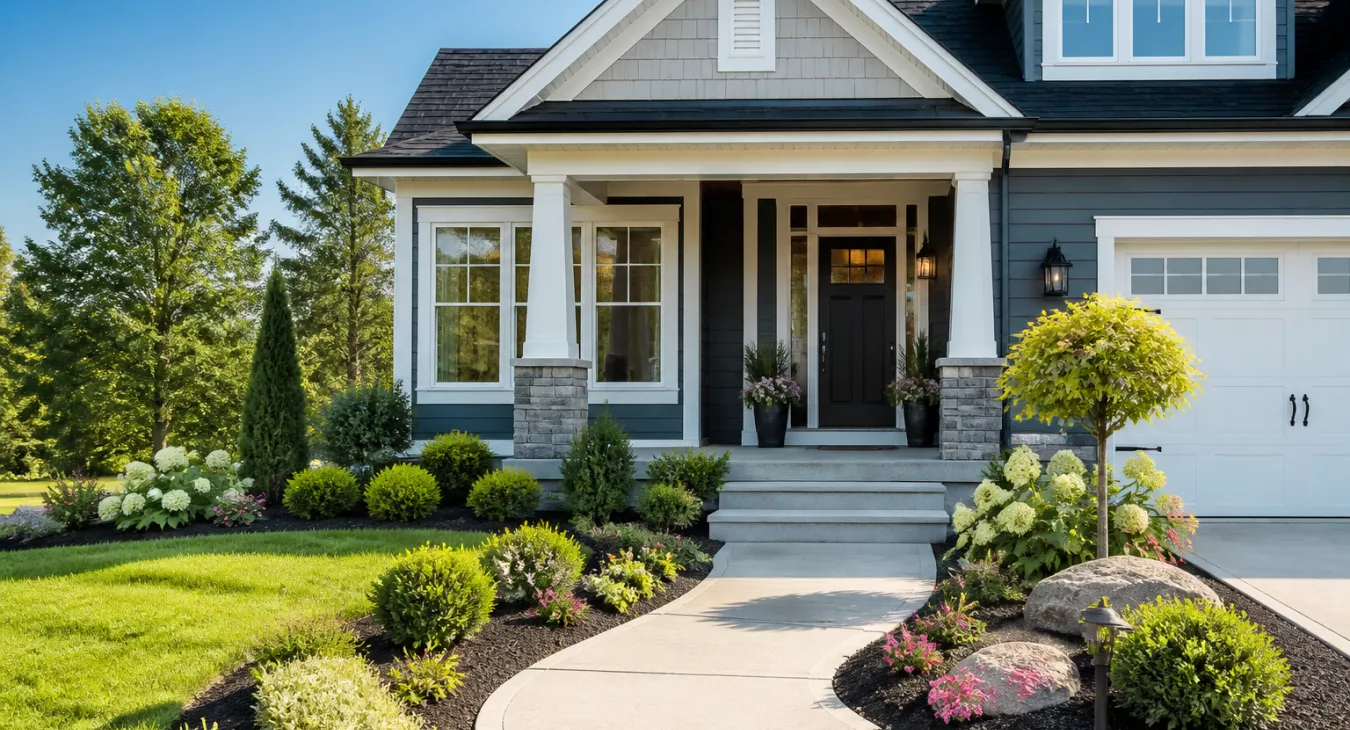
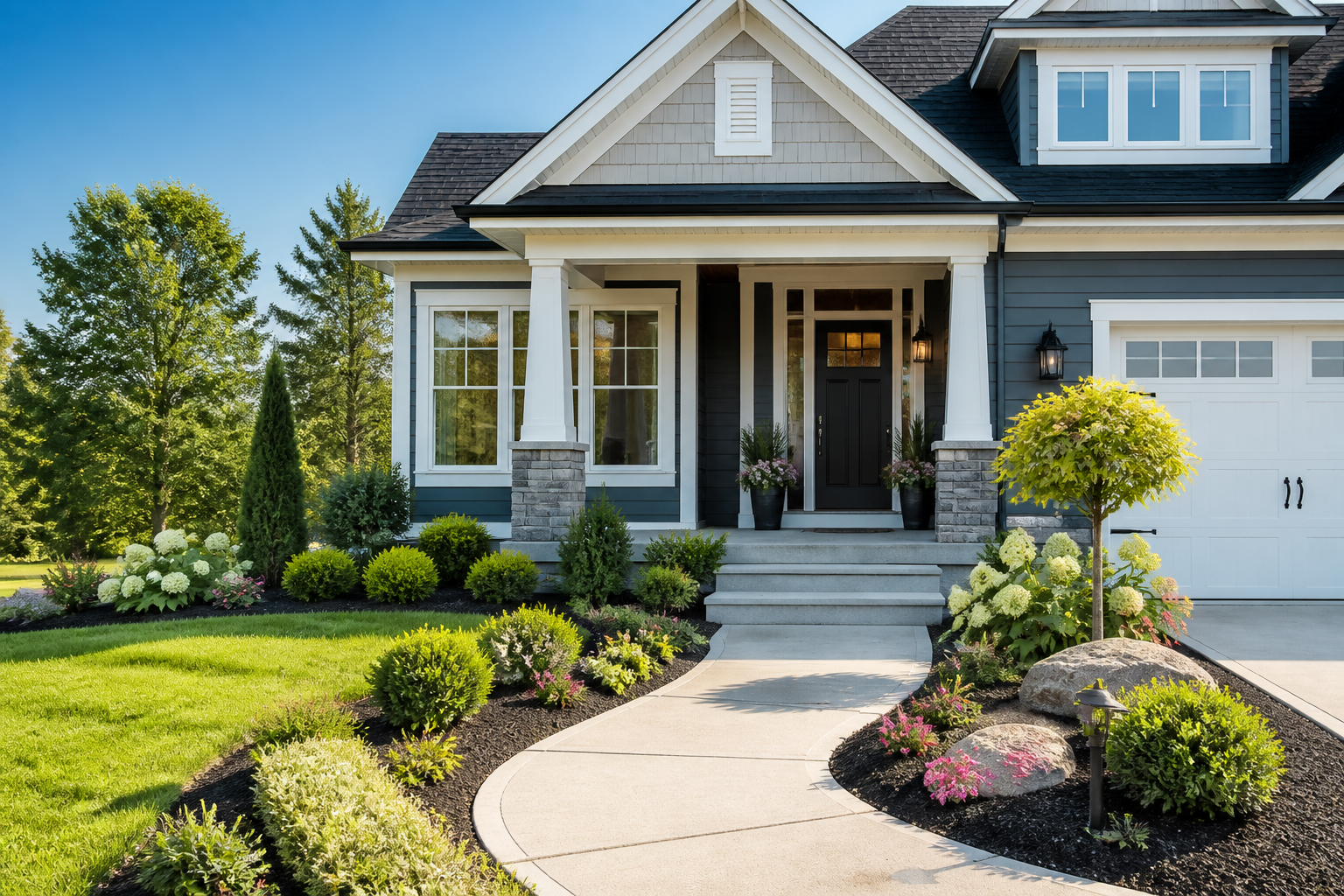
Master curb appeal and make a lasting first impression on real estate buyers. Learn proven strategies to boost your home's street presence and close faster
Products and Tools Mentioned in this Post

Luxury Presence
Luxury Presence offers premium website design, IDX integration, and digital marketing tools for luxury real estate agents. Elevate your brand with custom solutions.
Table of Contents
- Understanding Curb Appeal and First Impressions
- The Financial Impact of Curb Appeal
- Key Elements That Influence Curb Appeal
- Actionable Steps to Boost Your Curb Appeal
- Common Curb Appeal Mistakes to Avoid
- Curb Appeal Beyond Selling
- Creating Your Curb Appeal Strategy
- Conclusion
- Frequently Asked Questions
In real estate, you rarely get a second chance to make a first impression. Buyers form their judgment before stepping through the door—sometimes before they even schedule a showing. What they see from the street matters that much. Your home's curb appeal first impression real estate presence can be the difference between a competitive offer and a drive-by dismissal. And here's the thing: for investors and agents who care about the numbers, curb appeal isn't just about aesthetics. It's a high-ROI investment strategy that consistently delivers outsized returns if you know what you're doing.

Understanding Curb Appeal and First Impressions
What's Curb Appeal?
Curb appeal is simple: it's what a buyer sees from the street. That first, unfiltered look before they even step foot on the property. We're talking lawn, landscaping, paint condition, roofline, windows, driveway, front door, lighting, and how well it's all been maintained. The list is long, but the concept isn't complicated.
Here's what's changed in the last decade — your exterior shot is often the only thing that matters. In today's digital market, that thumbnail image in a listing is your make-or-break moment. Nail it, and you get clicks. Fail it, and prospects scroll past before they even know the address.
The Psychology of First Impressions in Real Estate
Princeton researchers found that people form judgments in about one-tenth of a second. That's not an opinion or a soft skill — it's hard neuroscience. And here's the kicker: those snap judgments stick around, even when facts contradict them.
Watch it happen at the curb. A buyer pulls up and instantly decides whether this property is worth their time. They're reading the exterior like a book — judging maintenance, inferring the seller's care, and making assumptions about every system inside they haven't touched yet. A sharp-looking exterior says "this owner took pride here." Peeling paint and dead landscaping whisper a different story entirely, and you don't want that story competing with your numbers.
Why First Impressions Matter More Than You Think
Buyers aren't robots. They make emotional decisions disguised as rational ones, and the exterior is your opening argument.
Think about the two scenarios. Walk through a well-landscaped front into a freshly painted entry? Even basic interior finishes feel upgraded. Now flip it — peeling paint, overgrown lawn, then down into a gorgeous renovated kitchen. The exterior damage primes skepticism. Buyers start looking for what else is wrong, and suddenly your $50k kitchen feels like you're hiding foundation cracks.
The data backs this up. According to Redfin, 99% of NAR-surveyed real estate agents say curb appeal attracts stronger buyers. That's consensus in an industry that almost never agrees on anything.
Back to topThe Financial Impact of Curb Appeal

How Curb Appeal Affects Home Value
Here's what the data actually shows: homes with strong curb appeal sell for approximately 7% more than comparable properties. That's not theoretical. A peer-reviewed study from the University of Texas at Arlington, published in August 2025, confirmed it. In slower or distressed markets, the premium climbs to 10–11%. Do the math on the U.S. median existing-home sale price of $417,700 as of April 2026. A 7% curb appeal premium? That's roughly $29,000 in additional value—typically generated by improvements costing a fraction of that.
Time on market moves the needle too. The national median sits at 32 days from listing to accepted contract as of April 2026 (NAR methodology). But here's the thing: homes that nail that first impression? They attract faster offers, lower carrying costs, and reduce your financing exposure. You're not sitting vulnerable in negotiations.
ROI on Curb Appeal Improvements
The ROI numbers for curb appeal are honestly impressive. According to NAR-cited figures reported by Redfin, you're looking at an average ROI of approximately 238% across all curb appeal improvements. But which projects actually deliver? That's where most investors get sloppy. The winners are almost always exterior-focused—and when you're applying the 70 percent rule or running a tight rehab budget, knowing which improvements crush it matters.
| Improvement | Estimated Cost (2025) | Value Added / ROI | Source |
|---|---|---|---|
| Garage door replacement | $4,672 | 268% ROI / $12,507 resale value added | 2025 Cost vs. Value Report (Zonda) |
| Steel entry door replacement | Varies | 216% ROI | 2025 Cost vs. Value Report |
| Manufactured stone veneer | Varies | 208% ROI | 2025 Cost vs. Value Report |
| Standard lawn care / basic yard work | Low | 217% ROI | NAR Remodeling Impact Report (2025) |
| Full market maintenance package | ~$4,800 | 104% ROI | NAR Research Group (2025) |
| Overall curb appeal improvements (avg.) | Varies | ~238% ROI | NAR-cited (2025–2026) |
And then there's the garage door replacement. A 268% ROI puts it at #1 out of 28 categories in the 2025 Cost vs. Value Report. If you're deciding where to drop pre-listing rehab dollars? Start with the exterior. Every time.
Market Data and Perceived Value
Money isn't just about what shows on the closing statement. Curb appeal shapes how buyers actually perceive the property. Homes that impress from the street get valued roughly 34% higher than comparable properties without strong exterior presentation. And perception? That translates to negotiation power. Better offers. Fewer contingencies. Buyers who won't kill you on inspection items or demand concessions. If you're working the agent side on negotiation positioning, dig into our real estate negotiation strategy guide.
Back to topKey Elements That Influence Curb Appeal


Landscaping and Garden Maintenance
Want to move the needle on value without bleeding cash? Landscaping's your answer. According to 2025 Redfin data citing the American Society of Market Architects, professional landscaping can push a home's value up by 15–20%. And here's what makes this so powerful: the basics cost almost nothing. Mowing, edging, mulching beds, trimming shrubs, dead plant removal — these signal active maintenance and charge back massive ROI relative to dollars spent. Fresh mulch? That's your secret weapon. It creates visual contrast, kills weeds underneath, and gives the whole property that "someone actually cares about this place" energy that kills in photos.
Exterior Paint and Color Schemes
One coat of fresh paint communicates newness better than almost any other single improvement — even when the house itself is decades old. This is high-visibility work that buyers notice immediately. Color choice matters more than most investors realize. Neutral palettes work. Warm whites, soft grays, classic navy accents — these have broad buyer appeal and don't trigger the eye roll that personal color choices do. Skip the trendy colors altogether. That millennial pink or sage green will feel dated in three years, and resale contexts punish bold experiments hard. Classic, neighborhood-appropriate schemes almost always win.
Front Door and Entryway Aesthetics
Your front door is where a buyer's eye lands first. It's the focal point. Everything else is supporting cast. A well-chosen door — black, navy, deep red, forest green — paired with quality hardware and clean sidelights can completely transform a mediocre facade into something buyers want to walk through. The numbers back this up: 2025 Cost vs. Value data shows a 216% ROI on steel entry door replacement. That's not a coincidence. Then layer in coordinating house numbers, a clean welcome mat, and potted plants flanking both sides. Small details. Massive cumulative effect.
Overall Property Maintenance and Cleanliness
Fastidious maintenance turns modest homes into strong performers. Power wash everything — driveways, walkways, siding. Years of grime disappear. The property instantly looks newer. Clean gutters matter. Intact fascia matters. Functioning exterior lighting matters. Crack-free sidewalks matter. Buyers see these things and think: "This property's been cared for, so the inside probably has too." But deferred maintenance visible from the street? That's one of your most powerful buyer deterrents, bar none. Fix it before showing.
Back to topActionable Steps to Boost Your Curb Appeal
Step 1: Conduct an Honest Exterior Audit
Walk to the street. Photograph the property from multiple angles—approach it from both directions like a buyer would. The camera reveals what your eye misses in person. Look for chipped paint, overgrown shrubs, stained concrete, missing house numbers, broken fixtures. Every visible problem gets noted. This audit becomes your roadmap for what to fix first.
Step 2: Prioritize High-ROI Improvements First
Start with the data. Garage door, entry door, lawn care, and fresh mulch? They're your heavy hitters. These deliver the strongest returns relative to cash outlay. According to a 2026 Thumbtack Curb Appeal Report, the typical homeowner spends just $100–$500 on outdoor upgrades. That's meaningful. You can accomplish significant improvements even on a shoestring budget. Want a structured framework for managing the entire renovation scope? Our first real estate deal checklist walks you through it.
Step 3: Tackle DIY Quick Wins
Some improvements punch way above their weight in effort-to-impact ratio.
- Power wash driveways, walkways, and siding (rental units typically cost $50–$100/day)
- Apply fresh mulch to all planting beds — a universally effective, low-cost upgrade
- Edge lawn borders for a crisp, maintained appearance
- Paint or replace house numbers with clean, modern hardware
- Clean or replace exterior light fixtures — old fixtures date a home dramatically
- Add potted plants or seasonal flowers flanking the entry
- Remove all clutter from the front yard, porch, and driveway
Step 4: Know When to Hire Professionals
Some work demands expertise you shouldn't fake. Exterior painting, significant tree work, driveway repair, and complex landscaping installations come out cleaner and stronger when a pro handles them. Your ROI improves too. Building a contractor network is non-negotiable for serious investors—we dive deep into that in our guide to building a real estate investing team. And if you're juggling multiple listings? Outsourcing curb appeal coordination to a trusted VA or property manager scales faster than doing it yourself.

Step 5: Optimize for Online Curb Appeal
Here's the reality: most buyers never set foot on the property until after they've scrolled through photos. That exterior hero shot? It's your first impression in the digital marketplace. Hire a real estate photographer who knows how to shoot in optimal light—early morning or golden hour work best. The lawn should be freshly mowed. Driveway clear of vehicles. All improvements complete before that shoot happens. Virtual staging and AI-enhanced visuals are getting serious traction. Check out our breakdown of Luxury Presence's AI marketing platform to see how autonomous tools are reshaping listing presentation.
Seasonal Curb Appeal Maintenance
One-and-done doesn't cut it. You need seasonal attention to stay competitive all year.
| Season | Key Maintenance Tasks |
|---|---|
| Spring | Refresh mulch, plant seasonal flowers, power wash surfaces, touch up exterior paint, inspect gutters and downspouts, aerate and overseed lawn |
| Summer | Regular mowing and edging, deep watering of plants, deadhead flowers, clean driveways and walkways, inspect and clean exterior light fixtures |
| Fall | Rake and remove leaves promptly, plant fall-blooming annuals, clean gutters, trim back perennials, inspect exterior for winter preparation |
| Winter | Keep walkways clear of snow and ice, maintain exterior lighting for short daylight hours, add seasonal greenery or wreaths to entry, inspect and repair any storm damage promptly |
Common Curb Appeal Mistakes to Avoid

Neglecting Visible Maintenance Issues
Peeling paint, cracked walkways, broken gutters, dead landscaping. These aren't just ugly—they're red flags. Buyers see them and immediately assume there's more rot hiding behind the walls. And honestly? This mistake costs investors real money. It's one of the top 20 real estate investing mistakes beginners make because they underestimate how heavily exterior condition weighs on buyer confidence and final offer price.
Poor Color Choices
That bright purple accent wall or aggressive yellow siding? It's your taste, not your buyer's. Trend-driven or highly personal color schemes shrink your buyer pool fast. You'll attract the 10% who love it and repel the 90% who don't. The neighborhood context matters too. A color that kills it in a historic district can look completely wrong in suburban tract housing.
Ignoring the Entryway
Most investors pour money into kitchens and bathrooms. Smart investors also fix the front entry first. Why? Because that's where buyer emotion crystallizes. A warm, inviting entry amplifies every positive you've built inside. A neglected one? It undermines even your best interior work before they step foot in the door.
Over-Improving for the Neighborhood
Don't install a $15K formal garden on a street where every comp has a simple lawn. That's not curb appeal—that's value destruction. Calibrate your improvements to neighborhood comps and your actual buyer demographic. Know your market. Invest accordingly. The goal isn't the prettiest house on the block. It's maximum ROI per dollar spent.
Back to topCurb Appeal Beyond Selling
Strong curb appeal isn't just about closing deals faster. For rental property owners, what tenants see from the street directly impacts who applies and what rent you can actually command. Think about it: properties that look sharp attract tenants who care about their living space — and those tenants tend to stay longer and cause fewer headaches. It's a virtuous cycle.
And here's what gets overlooked. Consistent curb appeal maintenance protects your asset values while lifting neighborhood comps across the board. Long-term portfolio builders know this. If you're serious about wealth building through real estate, check out our guide on how to make money and become a millionaire in real estate — it connects property presentation directly to portfolio strategy. You'll also want to explore the 18 best ways to make money with real estate, which shows exactly how exterior quality influences returns across different investment approaches.
Back to topCreating Your Curb Appeal Strategy

Here's what works: audit, prioritize, budget, execute. That's it. Start by walking the property like a buyer would—street level, first impressions only. Then rank every improvement by its actual ROI using the data we covered above. Now, about budget. The $100–$500 range cited in the 2026 Thumbtack report is a starting point, not a ceiling. Most flip projects that move the needle? They cost more. Don't cheap out here if you want serious return. Tackle repairs and fresh paint first. Landscaping comes next. Decorative touches last. And time it right—list during peak season (spring or early fall in most markets) when buyer activity actually justifies the curb appeal investment you just made.
If you're an agent listing a first-timer, bring up curb appeal early. Like, first walkthrough early. This is where you separate yourself from the crowd. The new agent guide to the first year in real estate nails this—seller education wins deals, and curb appeal conversations are the highest-ROI topic you'll master. Managing multiple listings? Stop doing this manually. Use AI and virtual assistants to build templated exterior checklists you can scale across your book of business. Our guide to hiring your first VA for real estate tasks walks you through exactly how to set that up.
Back to topConclusion
Emotion meets economics at the curb. And the numbers don't lie — homes with strong exterior presentation command 7% higher sale prices, pull in more qualified buyers, and move faster. That's not coincidence. It's leverage.
Here's what really matters: the ROI on curb appeal improvements is brutal in your favor. A $4,672 garage door replacement returns 268%. Basic lawn care delivers 217%. You're looking at some of the most consistently profitable categories in real estate investment, period. Most investors chase complicated value-add plays when the easiest money is sitting right there in plain sight.
So here's the real question: are you betting on what buyers see first, or are you leaving profit on the table? For anyone serious about maximizing transaction value — whether you're an investor, agent, or seller — the answer's obvious. Invest in the entry point. Everything that happens after depends on it.
Back to topFrequently Asked Questions
How much does curb appeal actually add to a home's sale price?
Strong curb appeal adds roughly 7% to a home's sale price versus comparable properties without it. That's according to a peer-reviewed University of Texas at Arlington study published in August 2025. In distressed or slower markets? You're looking at premiums hitting 10–11%. On a median-priced home, we're talking tens of thousands of dollars in additional value.
what's the single highest-ROI curb appeal improvement?
Garage door replacement dominates. The 2025 Cost vs. Value Report ranked it #1 out of 28 remodeling categories with a 268% ROI. You're investing $4,672 on average and getting back $12,507 in resale value. It's hands-down the most financially efficient exterior upgrade available in most markets.
Do I need to spend a lot of money to improve curb appeal?
Nope. The typical homeowner spends just $100–$500 according to the 2026 Thumbtack Curb Appeal Report, and still gets meaningful results. Fresh mulch, power washing, lawn edging, new house numbers, a painted front door — these high-impact, low-cost moves can dramatically shift first impressions without breaking the bank.
How does curb appeal affect buyers before they even visit the property?
Your listing's exterior photo is almost always the first image buyers see online. It's the filter that decides whether a showing gets scheduled or gets skipped. And here's the psychological piece: buyers perceive homes with strong curb appeal as 34% more valuable than comparable properties without it. That perception shapes offers and negotiating dynamics from the first click.
How important is curb appeal for rental properties, not just homes for sale?
It matters just as much. Strong exterior presentation attracts higher-quality tenant applicants, supports premium rental pricing, and protects long-term asset value. That same principle holds across every strategy — fix-and-flip, buy-and-hold, whatever. Exterior maintenance signals interior quality, and properties that look well-cared-for consistently outperform neglected competitors.
Back to top