

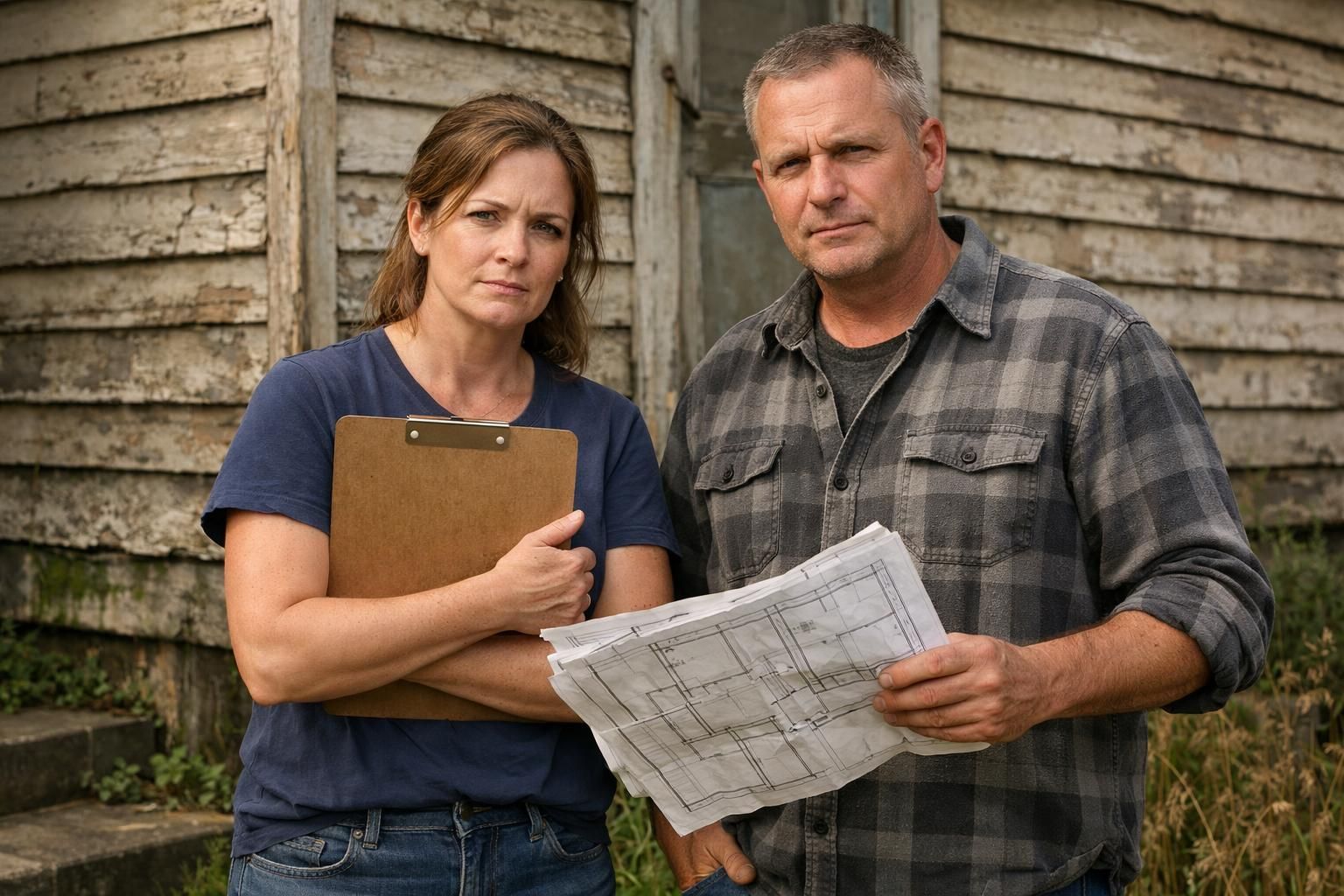
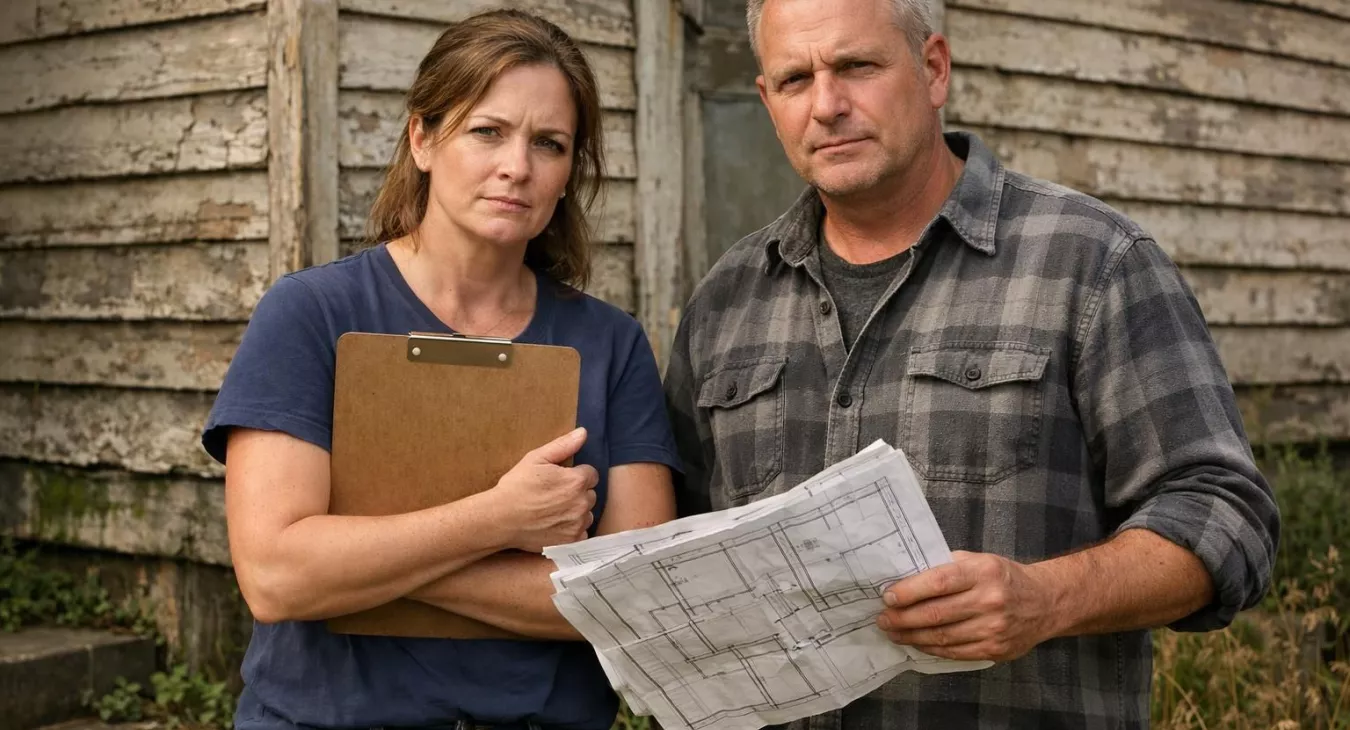
Avoid costly pitfalls in real estate investing. Learn about common rehab mistakes that kill your ROI and protect your profits on renovations.
Table of Contents
- Underestimating Repair Costs
- Over-Improving the Property
- Ignoring the After-Repair Value (ARV)
- Choosing the Wrong Property
- Hiring the Wrong Contractors
- Poor Project Management
- Cutting Corners on Renovations
- Skipping Permits or Legal Requirements
- Failing to Budget Properly
- Overestimating the Timeline
- Paying Too Much When Purchasing the Property
- Lack of Extensive Research Before Starting
- No Clear Exit Strategy
- Failure to Understand the Target Market
- Spending Too Much on Unnecessary Features
- Ignoring Market Trends and Location Demands
- Tips for Avoiding Common Rehab Mistakes
- Conclusion
- FAQs
Common Rehab Mistakes That Kill Your ROI

New to fix-and-flip? Start with our Fix-and-Flip Guide.
Many real estate investors make costly errors during rehab projects that destroy their return on investment. 1 One wrong choice, such as underestimating repair costs or ignoring after-repair value (ARV), can shrink your profit margins fast.
Understanding the common rehab mistakes that kill your ROI gives you a major edge in property management and house flipping.
My team has guided clients through hundreds of successful real estate investing deals in markets like Memphis. We have seen firsthand how simple oversights with renovation budget, project timeline, or hiring poor contractors drain resources and lower property values. 2 Get ready to learn key strategies to boost rental income and protect your performance metrics from rehab pitfalls. Keep reading for smart ways to maximize every dollar spent on your next real estate investments.
Key Takeaways
- Underestimating repair costs and skipping detailed property inspections can destroy your profit margins. Always get at least three contractor quotes and add a 10–15% contingency to your renovation budget.
- Over-improving homes in affordable areas, like Memphis, wastes money. Buyers do not pay more for luxury features in these neighborhoods, so focus on cost-effective upgrades that match local demand.
- Failing to research After-Repair Value (ARV) or local real estate trends leads to poor planning. Use current sales data from sources like MLS comps and work with professional appraisers before making offers.
- Hiring unqualified contractors or ignoring permits causes costly overruns and legal issues. Check credentials, require written contracts, follow city building codes, and keep all paperwork during each project timeline.
- Paying too much when buying a property reduces ROI no matter how well you manage renovations. Always factor in holding costs, estimated repairs, ARV forecasts, and use tools such as comparative market analysis before purchase decisions.
Underestimating Repair Costs

Underestimating repair costs ruins profit margins and damages ROI for real estate investors. Surface issues such as chipped paint or old carpet often catch your eye first, while deeper problems like water damage or electrical faults stay hidden.
Your renovation budget needs to cover these unseen risks as well as visible repairs. Hire professional property inspectors before you close on a property in the Memphis real estate market, or any other area with aging homes.
Use their detailed reports to spot costly trouble areas early.
Always collect at least three contractor quotes rather than guessing expenses based on previous rehab projects. Add a contingency of 10–15 percent into your project budget to cushion unexpected holding costs and construction overruns.
Track every expense using reliable project management software or spreadsheets; never rely on memory alone in fast-moving markets. These strategies give you control over repair budgets and help protect your investment from common rehabbing mistakes that can cripple returns for both affordable homes and more expensive properties alike.
Back to topOver-Improving the Property

Spending money on luxury features that exceed local standards drains your renovation budget and kills ROI. Memphis real estate market data shows buyers do not pay more for high-end finishes in affordable homes or lower-cost neighborhoods.
Stainless steel appliances, marble countertops, and custom lighting might look impressive, but these upgrades rarely increase the after-repair value (ARV) enough to justify extra holding costs.
Research recent home prices and comparable sales before planning major improvements so you can focus on what adds measurable value.
Set a strict budget for every room using project management tools like spreadsheets or property management software. Aim your dollars at kitchens, baths, flooring, basic lighting fixtures, and landscaping since these areas earn the highest returns per square foot across most markets.
Neutral paint colors and functional layouts attract a wider pool of buyers or renters; this speeds up rent collection or resale while reducing vacancy time. Check local building codes to avoid spending on features that are not required in your target market.
Stick to cost-effective choices backed by property inspections and solid data from sites like Fannie Mae or Facebook groups focused on rehabbing mistakes in real estate investing. Avoid emotional decisions when selecting finishes for rehab projects; let valuation reports drive which items need updates versus full replacement.
Homeowners who over-improve often face longer project timelines with little financial reward once acquisition fees and interest rates add up at closing.
Back to topIgnoring the After-Repair Value (ARV)

Skipping the After-Repair Value (ARV) risks killing your ROI before you even start a rehab project. The ARV is what guides your renovation budget, purchase price, and overall strategy in real estate investing.
Use recent comparable sales from the memphis real estate market or similar local neighborhoods to estimate an accurate ARV. Properties with equal size, age, condition, and location offer the best comparisons.
Rely on experienced agents or professional appraisers for reliable ARV data; their expertise can help you avoid costly rehabbing mistakes. Always reassess your numbers during the project timeline since market trends shift fast.
Over-improving does not guarantee higher resale or rent prices, especially if buyers seek affordable homes rather than luxury features. Focusing on factual ARV helps landlords set clear exit strategies and make smart housing finance decisions that boost marketing ROI instead of draining profits through poor planning or overconfidence in future value growth.
Back to topChoosing the Wrong Property

Overlooking key factors in property selection can destroy your potential ROI. Properties with high profit margins often come from low acquisition costs and strong rental income. In my experience, single-family rentals in fast-growing areas like the Memphis real estate market outperform luxury homes or commercial spaces almost every time. 1 If you target affordable homes below market price that need only minor repairs, you set yourself up for success.
Avoid properties with unresolved foundation issues, water damage, or zoning problems; these will drain your renovation budget quickly and drag out your project timeline. Pay attention to neighborhood growth, nearby schools, and access to amenities using property inspections and local building codes as decision tools.
Focusing on locations matching tenant demand helps secure positive rent collection results after rehab projects are complete. Choosing wisely at purchase protects both short-term cash flow and long-term real estate investing goals.
Back to topHiring the Wrong Contractors

Selecting the wrong contractors can cripple your rehab projects and kill your ROI. Poor choices often lead to missed project timeline deadlines, shoddy workmanship, or even hidden fees that spiral into cost overruns.
Many real estate investors in markets like Memphis fall for the lowest bid during contractor selection. This mistake usually results in subpar quality and expensive repairs down the road.
Always prioritize value over price; a low upfront cost rarely saves you money if you need to redo work later.
Protect yourself and your renovation budget by verifying all contractor credentials, insurance policies, and references before any agreement is signed. Interview multiple specialists so you compare their expertise and communication style directly.
Demand detailed quotes with clear line items on labor, materials, holding costs, compliance with local building codes, and project-management structure. Written contracts provide legal protection while regular site visits ensure contractors meet expectations at every touchpoint of the job.
Effective communication builds strong partnerships between you and each team member involved in rehabbing mistakes prevention or real estate management success. Partnering with dependable professionals speeds up tenant screening readiness or rent collection efforts because good work attracts better tenants for your affordable homes investment goals.
Back to topPoor Project Management
Overruns, delays, and missed deadlines in your rehab projects quickly increase holding costs like taxes, utilities, and loan interest. Each extra month a home sits empty or unsold drains more money from your ROI.
Set up a clear project timeline for every job. Break renovations into stages and attach firm deadlines to each one.
Use digital tools such as Trello or Buildertrend to track progress daily. Communicate with contractors every day to solve problems before they grow. Track all decisions and expenses in writing so you avoid confusion later on.
Documenting everything protects you if disputes arise over invoices or change orders during real estate investing across fast-moving markets like Memphis real estate market. Strong project management lets you finish jobs faster, lowers holding costs, and boosts profits on every property flip or rental renovation. 2
Back to topCutting Corners on Renovations
Skipping essential updates or using bargain-bin materials often leads to bigger losses on your rehab projects. Prospective buyers or tenants in the Memphis real estate market notice poor-quality work fast, especially if foundational issues, old electrical systems, or water damage remain unresolved.
These problems hurt marketability and reduce your property’s after repair value (ARV). Sacrificing quality will also drive up holding costs over time as hidden defects lead to expensive repairs later.
For rental properties in particular, smart investors use durable, maintenance-free products to minimize future headaches with rent collection and tenant screening. Fast flips need only focused improvements that meet local building codes while driving up appeal at a moderate cost.
Skimping on these basics puts your investment and project timeline at risk; you could face lower offers or longer vacancies as a result. Quality renovations set affordable homes apart from the competition and protect long-term returns for any real estate investing strategy.
Back to topSkipping Permits or Legal Requirements
Ignoring permits in your rehab projects can destroy your bottom line. Local building codes require you to pull permits for key areas like electrical, plumbing, HVAC, roofing, and demolition.
City inspectors look for proper approvals before passing final inspections or issuing occupancy certificates. Without them, you risk stop-work orders that halt progress and trigger holding costs.
Fines for unpermitted work quickly add up and can erase profits from even the best Memphis real estate market deals.
Word spreads fast about illegal renovations among buyers and lenders. Agents notice missing paperwork during property inspections; they might advise their clients to walk away or demand a price cut.
Appraisers may mark down value if improvements do not match public records or local code requirements. In my own experience as a real estate investor, I have seen entire deals collapse due to overlooked paperwork on water damage repairs or major system updates.
Contractors who skip permit steps put your project timeline in danger and expose you to legal disputes later on. Always check with city code enforcement offices before starting work, especially if rehabbing affordable homes for rent collection or resale value boosts is part of your plan.
Keep copies of all documents related to permits and city approvals in case future tenants request proof during tenant screening or leasing negotiations; this protects your investment long term while keeping lease agreements compliant with local laws.
Back to topFailing to Budget Properly
Overly optimistic budgets often cause trouble in rehab projects. You may overlook holding costs or forget to plan for water damage, which quickly eats into profits. Real estate investors in the Memphis real estate market must remember that a successful renovation budget needs more than basic repairs and materials.
Always include a contingency fund of 10–15 percent for unexpected expenses like code changes or hidden problems.
Lack of working capital can force you into risky choices, such as using cheap labor or skipping permits needed by local building codes. A detailed budget helps you control tenant screening and rent collection goals while keeping your focus on affordable homes.
Profit drives every investment decision; precise budgeting is your best tool to reach ambitious project timelines with confidence and minimize rehabbing mistakes before they kill ROI.
Back to topOverestimating the Timeline
Many real estate investors misjudge how long rehab projects will actually take. While you might plan for a quick turnaround, data shows typical projects last 2 to 6 months based on size and complexity.
Cosmetic updates move faster than jobs with major water damage or structural repairs. If you expect fast progress but run into permit delays or contractor no-shows, your holding costs keep stacking up each month.
Your renovation budget can take a big hit if timelines slip. For example, each extra month adds more mortgage payments, utility bills, insurance fees, and taxes to the project’s expenses.
In my own experience in the Memphis real estate market, I saw one job stall two months due to slow city inspections and sub trades running behind schedule. Clear communication with contractors and careful planning around local building codes helped fix the issue on later jobs.
Building realistic timelines protects your ROI by keeping holding costs low while delivering affordable homes back to the market efficiently.
Back to topPaying Too Much When Purchasing the Property
Paying too much for a property can destroy your return on investment from the start. A low sticker price does not always mean you found a deal. You must consider the real cost, including needed repairs, water damage, and holding costs during renovations.
The Memphis real estate market offers chances to buy affordable homes if you keep an eye on accurate numbers. Rely on solid estimates for repair costs and always evaluate the after-repair value (ARV) before making any offer.
Overpaying at purchase leaves little room for profit regardless of how well you manage your rehab project timeline or control renovation budgets. Negotiation remains critical in every transaction; walk away from overpriced properties even if they seem promising.
Smart investors use recent property inspections and local building codes to support their offering price and reduce risk. Consistent research ensures each dollar spent aligns with market trends, target tenant expectations, and future rent collection goals.
Strategic buying decisions drive cash flow in real estate investing. Always factor in estimated repairs plus ARV when running numbers for potential properties. Tools like comparative market analysis help set realistic limits so rehabbing mistakes do not drain your ROI before work even begins.
Back to topLack of Extensive Research Before Starting
Failing to carry out extensive research can push your rehab projects off track and destroy your ROI. Strong real estate investing starts with a deep study of the local market, including buyer demand, pricing trends, neighborhood changes, and job growth.
In Memphis's real estate market, skipping this homework often causes rehabbing mistakes that lead to high holding costs and unexpected losses. Use tools like public records and talk with local experts who know the pulse of affordable homes in the area. 4
Use professional property inspections before you buy or start renovations. Inspectors spot hidden water damage or foundation problems that inflate repair bills beyond your original renovation budget.
Always review recent comparable sales for accurate ARV (after-repair value) estimates and rental projections. Rushing into a project without strong knowledge leads to overestimating rents or sale prices—a common cause for failed deals I have seen firsthand among new investors trying to flip houses quickly without full research on tenant screening or rent collection systems.
Approach each investment as if you are solving a puzzle; every piece of data brings you closer to higher returns and fewer surprises in your project timeline.
Back to topNo Clear Exit Strategy
Lack of a defined exit strategy can destroy your returns in real estate investing. You must plan for both selling and renting before you start any rehab projects. The memphis real estate market can shift quickly, which makes it risky to rely on only one way out.
Outline your marketing approach, set realistic pricing, and develop backup plans for slow sales or weak rental demand.
Work with property management companies like Reedy & Company if you aim to rent after renovating. They can help streamline tenant screening and rent collection tasks so you avoid long vacancies or payment delays that raise holding costs.
Imagine the benefits of a clear exit plan: fewer surprises, less stress, and more predictable profits from every project timeline you tackle.
Back to topFailure to Understand the Target Market
Ignoring your target market can ruin even the best rehab projects. Over-improving or under-improving often happens when you skip research on buyer or renter preferences in your area.
For example, if you add granite counters and expensive fixtures in affordable homes areas of Memphis, you might not see a return on those upgrades. Buyers in higher-end neighborhoods expect certain finishes that renters at lower price points do not value.
Misreading these expectations leads to wasted renovation budget and lost profit. 6
You must study local real estate market demands before picking paint colors or appliances. Analyze recent sales, tenant screening results, average rent collection rates, and property inspections data for each neighborhood.
Tools like MLS listings provide insights into which features help properties sell fast at top dollar. Knowing whether families prefer three-bedroom layouts over open lofts helps guide smart decisions about project timeline and design choices. 5
My own experience shows success hinges on matching renovations to the specific needs of your buyers or tenants. In the Memphis real estate market, investors who understand rental demand avoid costly holding costs from vacant units by offering only what their target audience wants most—no more, no less.
Aligning updates with clear knowledge of demographics turns rehabbing mistakes into reliable returns for every investment cycle.
Back to topSpending Too Much on Unnecessary Features
Investing in high-end marble countertops or smart home systems rarely pays off if your target market wants affordable homes. The Memphis real estate market, for example, rewards value-driven upgrades over luxury features that drive up rehab project costs without adding much to the ARV (after repair value).
Set budget limits per room and focus on functional improvements like water damage repairs, modern lighting, or updating outdated kitchens.
Over-customizing a property reduces its appeal to a wider pool of tenants or buyers and can lead to longer holding costs. Real estate investors who tie their budgets to tenant screening data and local building codes see stronger ROI because they give buyers what sells rather than what is trendy for 2024.
Stick with neutral finishes and proven materials that match your research into the current real estate market demand.
Back to topIgnoring Market Trends and Location Demands
Overlooking market trends and local demands can crush your profits in rehab projects. Smart investors study the real estate market, watching buyer demand, pricing patterns, and changes in neighborhoods.
In Memphis, the real estate market shifts fast due to employment growth or new development. You must track these cycles closely to spot true potential.
Ignoring interest rate hikes will raise your borrowing costs and lower buyer interest. For example, higher rates in 2023 made it harder for buyers to qualify for loans which hurt investor returns across many cities.
Lock in favorable financing terms early and adjust your budget for holding costs if rates climb during your project timeline. Use property inspections, review neighborhood data from platforms like CoStar or Zillow, and match renovations with location needs rather than personal tastes.
Well-informed decisions help you avoid costly rehabbing mistakes and keep your ROI strong on each investment property.
Back to topTips for Avoiding Common Rehab Mistakes
Practice smart project management and use thorough property inspections to spot hidden issues early. Learn from experienced investors in the Memphis real estate market to boost your return on investment and avoid expensive errors.
Common Rehab Mistakes That Kill Your ROI
Underestimating repair costs often wrecks your budget and slashes profit. Many investors in the Memphis real estate market miss hidden expenses like water damage or outdated electrical systems.
Expenses stack up fast when you ignore thorough property inspections early on. Skipping these steps leaves you exposed to rising holding costs, delays, and unpleasant surprises that drain ROI.
Hiring the wrong contractors introduces costly errors into your rehab projects. Poor workmanship leads to rework, wasted time, and unhappy tenants during rent collection or leasing periods.
Ignoring local building codes by skipping permits can cause legal trouble and force expensive corrections before closing a sale. Over-improving properties for affordable homes rather than targeting your actual audience causes unnecessary spending with no return.
Paying too much upfront cuts deep into margins right from the start of any project timeline. Failing to research ARV (after repair value) for similar rehabs in your area results in decisions driven by guesswork instead of data from reliable sources like MLS comps or prior Memphis sales history.
Setting clear goals based on solid numbers not only limits mistakes but also ensures more consistent returns throughout every step of real estate investing.
Back to topConclusion
Avoiding common rehabbing mistakes can make your investment far more profitable. Smart planning, accurate budgeting, and careful tenant screening help protect your return on investment in any real estate market.
Focus on the after-repair value, stick to local building codes, and manage every part of the project timeline with care. Strong research and clear goals put you ahead in real estate investing.
Make each rehab project build lasting value for your portfolio.
Back to topFAQs
1. What are the most common rehab mistakes that lower ROI in real estate investing?
Skipping tenant screening, ignoring water damage, and missing local building codes can all hurt your returns on rehab projects. Delays in the project timeline also raise holding costs and reduce profits.
2. How do holding costs impact ROI during a rehab project?
Holding costs grow when you extend your project timeline or face unexpected issues like water damage. These expenses eat into your profit margin, especially in competitive markets such as Memphis real estate.
3. Why is understanding local building codes important for affordable homes?
Meeting local building codes keeps your rehab projects compliant and safe for tenants. Failure to follow these rules leads to fines or costly repairs which can make affordable homes less profitable.
4. How does poor rent collection affect long-term success after rehabbing?
Weak rent collection systems result in lost income even if you finish upgrades on time. Strong processes support steady cash flow and protect your investment over time, especially after careful tenant screening has been completed.
References
- ^ https://www.reedyandcompany.com/blog/6-mistakes-that-kill-real-estate-rehab-roi-and-how-to-avoid-them/ (2025-10-17)
- ^ https://www.researchgate.net/publication/374329295_Evaluation_of_the_Factors_behind_the_Failure_of_Project_Management_Practices
- ^ https://pmc.ncbi.nlm.nih.gov/articles/PMC10151730/
- ^ https://pmc.ncbi.nlm.nih.gov/articles/PMC8211515/
- ^ https://pmc.ncbi.nlm.nih.gov/articles/PMC9397780/
- ^ https://roiinstitute.net/wp-content/uploads/2021/09/Measuring-ROI-in-Healthcare_chapter-one.pdf