


Are you looking to break into the world of real estate investing but not quite ready for flipping houses or managing rental properties? Wholesale real estate might just be the perfect starting point for you.
Table of Contents
- How a wholesale deal works
- Step 1: Check the rules in your state before you market anything
- Step 2: Choose a market and build a target list
- Step 3: Find motivated sellers
- Step 4: Run the numbers before you make an offer
- Step 5: Write a purchase contract you can actually use
- Step 6: Build a cash buyers list and market the contract
- Step 7: Assign the contract or double close
- The money: fees, earnest money, and startup costs
- Common mistakes
- Where to go next
- All our wholesaling articles
- Frequently asked questions
Wholesale real estate means putting a property under contract at a discount and passing that deal to a cash buyer for a fee. You either assign your contract or buy and resell in a back-to-back closing. You are not renovating, renting, or holding the property. You find the deal and match it with a buyer, and you get paid when both sides close.
This guide covers the full process: checking your state's rules, finding motivated sellers, running the numbers, writing a purchase contract that can be assigned, building a buyers list, and choosing between an assignment and a double close. It also covers what the money looks like, including assignment fees, earnest money and startup costs, and the mistakes that sink most first deals.
Wholesaling suits people who have more time than cash, who can handle a lot of rejection, and who are willing to learn valuation well enough that experienced investors trust their numbers. It does not suit people looking for passive income or a hands-off side project. Wholesaling is a sales and marketing business. If no deals close, there is no income.
Back to topHow a wholesale deal works
Every wholesale deal has three parties:
- The seller. Usually an owner who values speed, certainty, or an as-is sale more than top dollar. Common situations include an inherited house, a tired landlord, a pending foreclosure, a divorce, a relocation, or a property that needs more repair than the owner can afford.
- The wholesaler. Finds the seller, negotiates a price, signs a purchase agreement, and then finds someone to close on it.
- The end buyer. A cash investor such as a flipper, landlord, or small developer who wants discounted properties and doesn't want to do all the prospecting.
When you sign a purchase agreement as the buyer, you hold what is called an equitable interest: a contractual right to buy the property on the agreed terms. In an assignment, you sell that right to the end buyer. In a double close, you actually buy the property and resell it right away. Either way, your profit is the spread between your contract price and what the end buyer pays.
The value you provide is real but specific. You find sellers who aren't on the market, negotiate a workable price, and hand the end buyer a vetted deal with clean numbers. If your numbers are sloppy or your contracts can't close, that value disappears. Your reputation with buyers is the business.
How it compares with flipping and wholetailing
A flipper buys, renovates, and resells, so they carry renovation risk, holding costs and financing. The fix-and-flip guide covers that model. A wholetailer buys and resells with light cleanup, which sits between the two. The wholetailing guide explains when that pays more than assigning. Wholesaling takes the least capital per deal and has the shortest timeline. It also earns the least per deal and gives you no ownership upside. Many investors wholesale first to learn valuation and build a network, then move into flipping or rentals once they have capital.
Back to topStep 1: Check the rules in your state before you market anything
Wholesaling law is not uniform, and it has been changing. Some states treat marketing a property you don't own as brokering, which requires a real estate license. Some require written disclosures to the seller and buyer about your intent to assign. Some give sellers cancellation rights in wholesale contracts or limit how often an unlicensed person can do these deals. Local rules can also cover things like bandit signs and phone outreach.
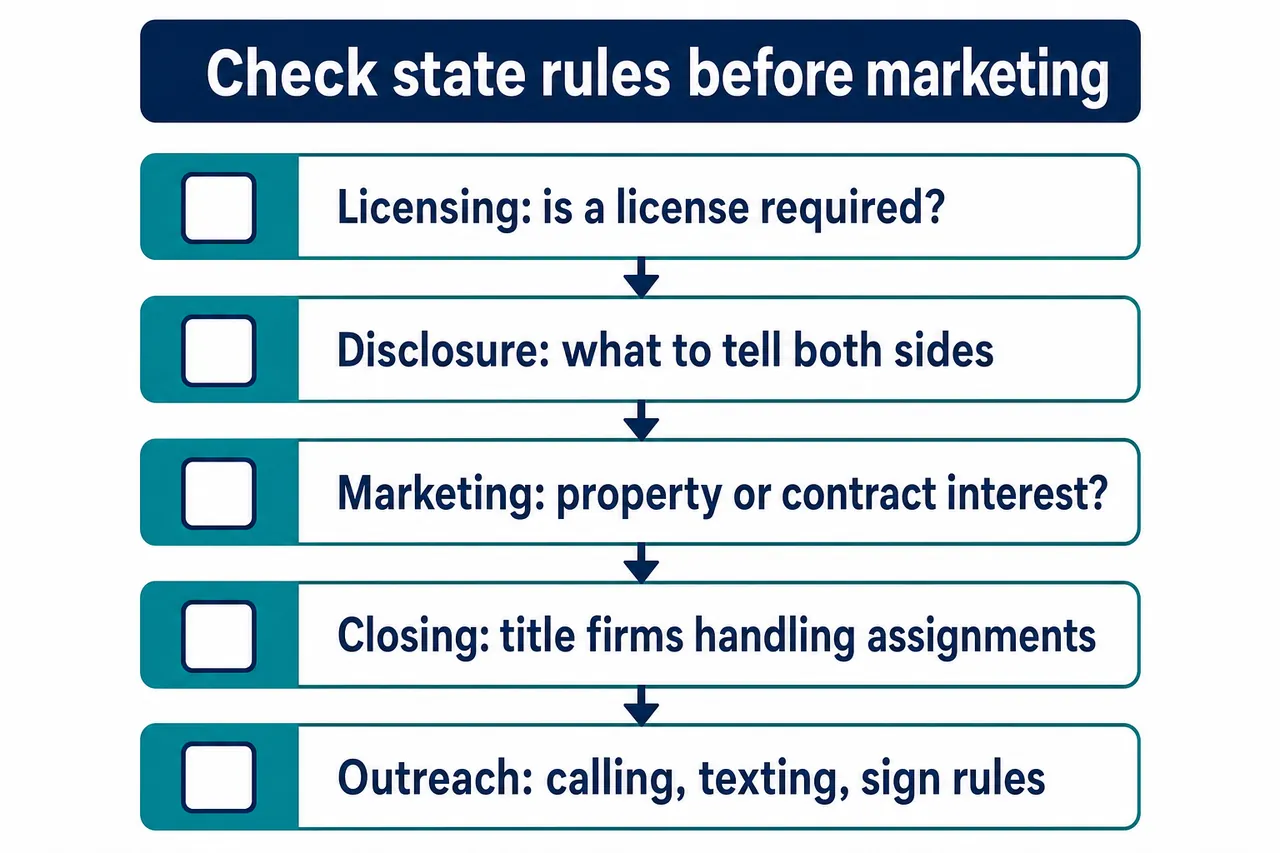
Before you spend money on marketing, find answers to these questions:
- Licensing. Does your state require a license to assign contracts, or to advertise a property you have under contract? Is there a limit on how many deals you can do without one?
- Disclosure. What must you tell the seller in writing, such as your intent to assign and that you may profit? What must you tell the buyer?
- Marketing. Can you advertise the property itself, or only your contract interest? What wording is required or prohibited?
- Closing. Which local title companies or closing attorneys handle assignments and double closes routinely?
- Outreach rules. What federal and state rules apply to calling and texting, and what local rules apply to signs?
Start with your state real estate commission's website. Then book a consultation with a local real estate attorney who has worked with investors, and bring your draft contract and marketing materials. The overview of wholesaling laws by state is a useful starting map, and the attorney legal checklist lists what to ask. Treat any summary, including this one, as a pointer to check against current law, not as the final word.
If your state effectively requires a license, getting one may be the simplest path. Licensed agents can still invest, but they have their own disclosure obligations when they buy for themselves. Ask your broker and attorney about those too.
Back to topStep 2: Choose a market and build a target list
Pick a specific area where you understand values: a handful of ZIP codes or neighborhoods, not a whole metro. You want places where:
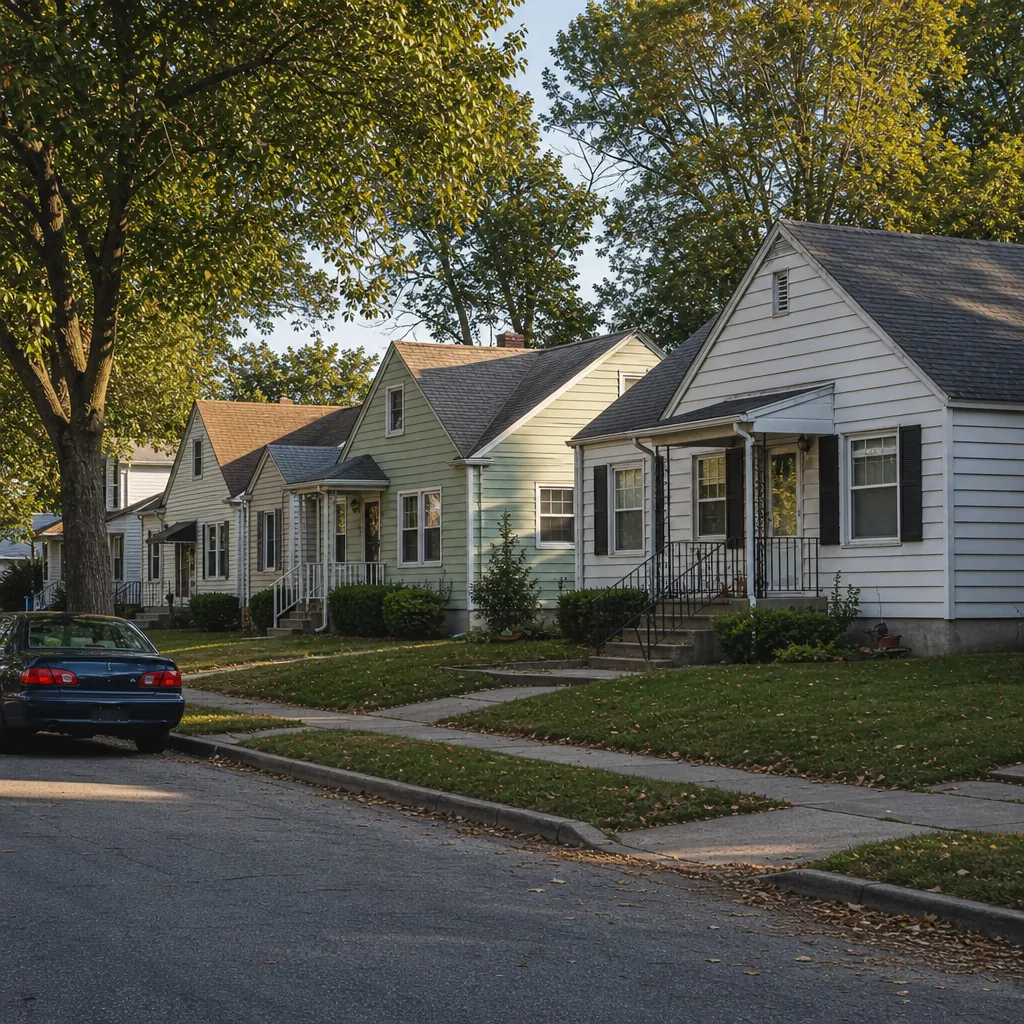
- Investors are actively buying. You can check recorded sales without a mortgage, and listings that note an investor resale.
- Houses are old enough to need work and cheap enough that a flip or rental still pencils after repairs.
- Comparable sales are plentiful, so your after-repair value estimates hold up.
Next, build lists of owners who are more likely to sell at a discount. Typical targets include absentee owners, inherited or probate properties, pre-foreclosures, tax-delinquent owners, code violations, long-time owners with high equity, and vacant properties. Stacking lists helps: an absentee owner who is also tax-delinquent is usually a better lead than either alone. The guide to building a target property list walks through sourcing and stacking. If you want to get to sellers earlier in the foreclosure process, lis pendens lists are one option.
Back to topStep 3: Find motivated sellers
Lead generation is the bulk of the work. Most leads won't sell, and most of the ones who do won't sell at a price that works. Plan for volume and steady follow-up rather than a single big campaign. The site's guide to finding motivated sellers covers the seller side in depth. Here is how the main channels compare.
Low-cost channels (time-heavy)
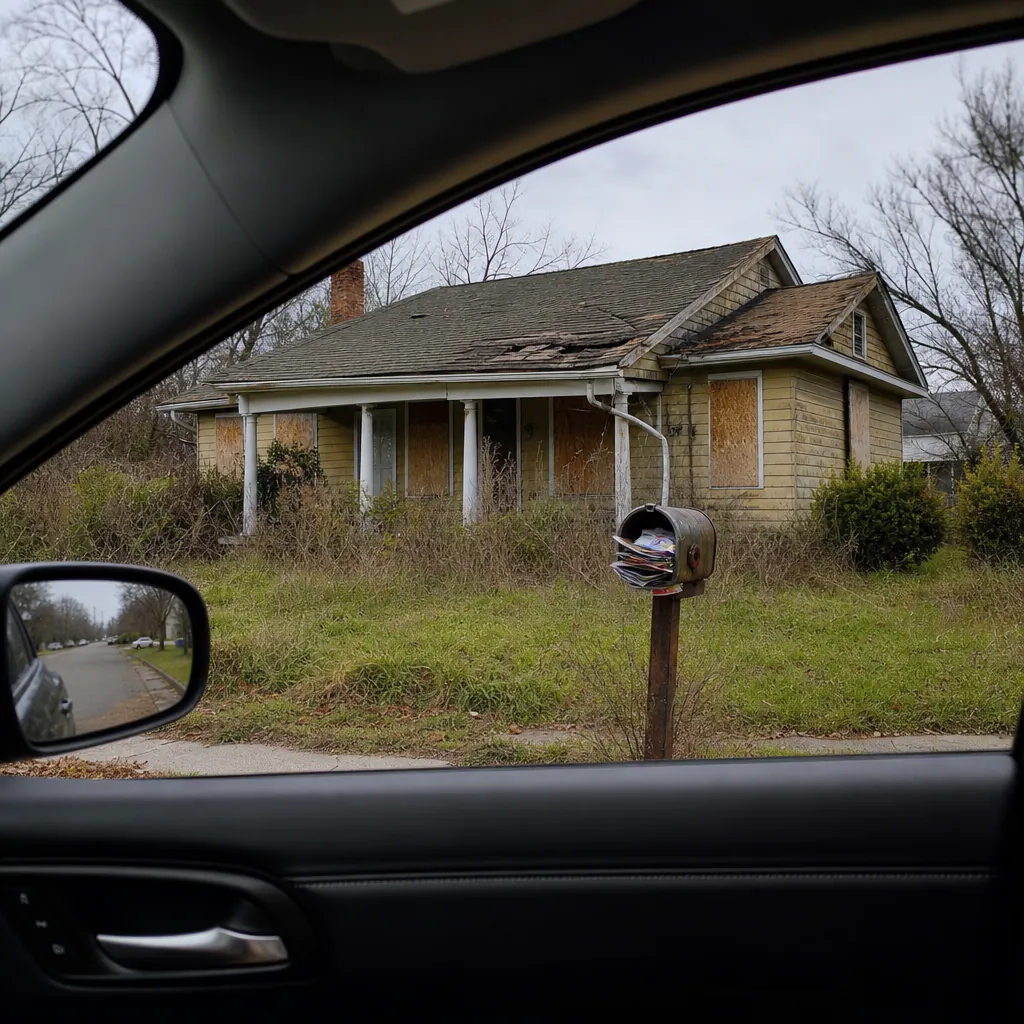
- Driving for dollars. Drive or walk your target neighborhoods and note distressed houses: overgrown yards, boarded windows, piled-up mail, roof damage. Look up the owners in county records. It costs mostly time and fuel and turns up properties that aren't on any list.
- Cold calling and texting. Calling skip-traced owners on your lists is cheap but takes a lot of hours. Learn your state's calling rules and the federal Do Not Call requirements first. The cold calling scripts give you a starting framework.
- Agents and other investors. Agents often get calls from owners who want a quick as-is sale. Tell agents what you buy and how fast you close. Other wholesalers may also offer joint ventures on deals they can't move themselves.
Paid channels (money-heavy)
- Direct mail. Letters and postcards to targeted lists generate inbound calls from sellers who chose to respond. Results depend on list quality and repetition, since one mailing rarely does much. See direct mail campaigns for wholesaling for list choices and sequencing.
- Online ads and search. Online ads and search can scale, but they cost more per lead and draw more tire-kickers. Most beginners wait until they have a working process before spending heavily here.
- Signs. Bandit signs still bring calls in some markets, but many cities fine them. Check local ordinances first.
For a broader menu, the article on 12 lead sources for wholesale deals compares more channels. Whatever you choose, track every lead in one place, whether a spreadsheet or a CRM, with the date, source, situation, and next follow-up. Many deals come from the third or fifth conversation, months after first contact.
The seller conversation
When a seller calls back, find out four things before you talk price:
- The property's condition and what needs repair.
- Why they want to sell and how soon.
- What they owe, including liens or back taxes, and who else is on title.
- What they expect to get and how they arrived at that number.
Listen more than you talk. A seller who needs to close in three weeks to avoid a foreclosure sale has a different problem from a landlord who is tired of tenants. Your offer and terms should solve the actual problem. Be plain about who you are: an investor buying at a discount, who may assign the contract to another investor or partner.
Back to topStep 4: Run the numbers before you make an offer
Your offer has to leave room for three things: the end buyer's profit, the repair budget, and your fee. If any one is too thin, the deal won't sell. Before you can offer, you need two numbers.
After-repair value (ARV)
ARV is what the property would likely sell for once renovated to the standard of nearby flips. To estimate it:
- Pull renovated sales that are close by, recent, and similar in size, bedroom and bath count, age, and style.
- Use sold prices, not list prices. Throw out outliers, such as a sale across a busy road or in a different school zone.
- When in doubt, use the lower end of the range. Experienced buyers will run their own comps, and an inflated ARV is the fastest way to lose their trust.
A local agent who works with investors can check your comps, and so can a buyer you are building a relationship with.
Repair estimate
Walk the property and price the scope room by room. Pay attention to the expensive items: roof, foundation, HVAC, electrical, plumbing, sewer line, windows, and kitchens and baths. If you're new, bring a contractor or an experienced buyer on the first few walkthroughs. The guide on estimating rehab costs for wholesale deals gives a framework. Add a contingency, because hidden problems almost always show up.
Maximum allowable offer
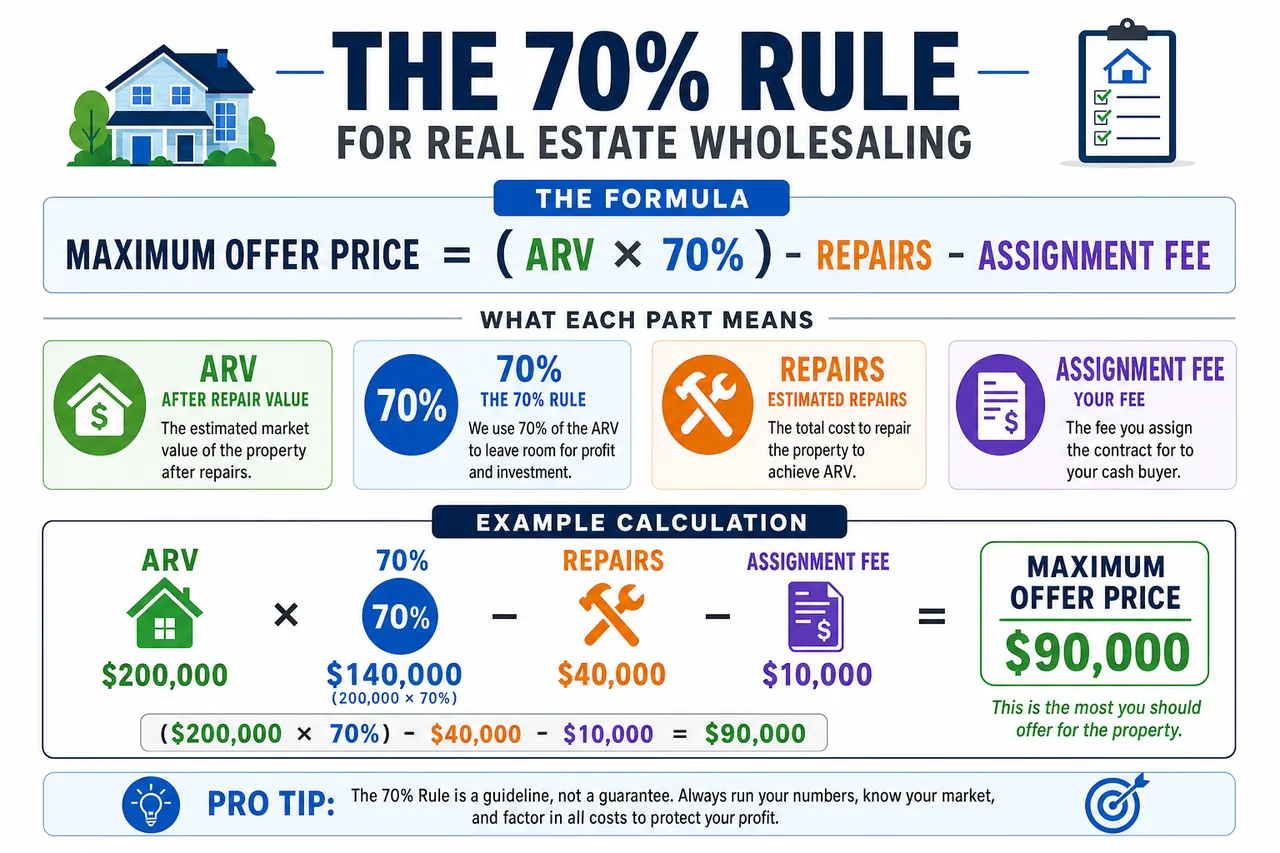
A common starting point is the 70 percent rule. An investor's purchase price plus repairs should stay at or below about 70 percent of ARV, which leaves room for holding, closing, selling costs and profit. As a wholesaler, you subtract your fee from that:
Your maximum offer = (ARV × 70%) − repairs − your fee
The 70 percent figure is a rule of thumb, not a law. In expensive or very competitive markets, buyers may accept a higher percentage. On heavy rehabs or in slow markets, they may want lower. Ask your buyers what numbers they work to. The 70 percent rule calculator handles the basic math, and the fix and flip calculator lets you check the deal from the end buyer's side, including holding and selling costs.
Worked example
Example deal (illustrative numbers): a dated three-bedroom, two-bath house in a neighborhood where renovated homes have recently sold for around $260,000. The house needs a roof, a kitchen, flooring, paint, and some electrical work, estimated at $45,000 including a contingency. The wholesaler wants a $12,000 fee and the end buyer is a flipper.
| Line item | Amount | How it's calculated |
|---|---|---|
| After-repair value (ARV) | $260,000 | Recent renovated comparable sales |
| 70% of ARV | $182,000 | $260,000 × 0.70 |
| Estimated repairs | $45,000 | Scope plus contingency |
| Flipper's maximum purchase price | $137,000 | $182,000 − $45,000 |
| Wholesaler's target fee | $12,000 | Set before making an offer |
| Wholesaler's maximum offer | $125,000 | $137,000 − $12,000 |
| Negotiated contract price with seller | $122,000 | Signed below the maximum |
| Earnest money deposit | $1,000 | Held by the title company |
| Price to end buyer (contract + fee) | $134,000 | $122,000 + $12,000, under the $137,000 ceiling |
| End buyer's cost before resale | $179,000 | $134,000 + $45,000 repairs |
| End buyer's other costs (example) | $32,800 | Buy-side closing about $3,000, holding and financing about $9,000, selling costs about 8% of ARV ($20,800) |
| End buyer's estimated profit | $48,200 | $260,000 − $179,000 − $32,800 |
The wholesaler signs at $122,000, assigns the contract for a $12,000 fee, and the flipper still has an estimated profit of about $48,000 on paper. That cushion is what makes the deal sellable. If the repair estimate had been $25,000 too low, most of the flipper's margin would vanish, and so would the buyer's willingness to take your next deal.
Notice where the $3,000 gap between the $125,000 maximum and the $122,000 contract goes. The wholesaler could raise the fee to $15,000 or leave the room for the buyer. Leaving some room usually means a faster sale.
Back to topStep 5: Write a purchase contract you can actually use
The contract is your product. A weak contract can leave you unable to assign, unable to close, or exposed to a lawsuit. Have a local attorney review your purchase agreement and assignment agreement before your first offer. Don't rely on a generic internet form. The guide to wholesale contracts, templates and legal terms covers the clauses in more detail.
Clauses to understand
- Buyer name and assignability. Many wholesalers sign as their company "and/or assigns" and include a clause that expressly allows assignment. Some contracts, especially bank-owned and many listed properties, prohibit assignment. In those cases a double close may be the only option.
- Inspection or due diligence period. This is a set number of days to inspect, verify repairs, and confirm the numbers. It is a legitimate protection. It is not a free option to hold the property while you shop it and walk if no one bites. Using it that way harms sellers and, in some states, can create legal problems.
- Earnest money. State the amount, who holds it, and when it becomes non-refundable.
- Closing date. Give yourself enough time to find a buyer and for the title work to clear. A common window is a few weeks, but it should match what the seller needs.
- Access. Get the right to show the property to inspectors, contractors, and prospective buyers, with reasonable notice to the seller.
- Disclosures. Include any language your state requires about your intent to assign or your status as an investor. Even where it isn't required, a clear written disclosure protects you.
- As-is terms and closing costs. Spell out who pays what at closing so neither side is surprised.
Open title early. A title search can uncover liens, judgments, unpaid taxes, missing heirs, or a co-owner who never agreed to sell. It is much better to learn that in the first week than the day before closing.
Back to topStep 6: Build a cash buyers list and market the contract
Ideally, start building your buyers list before your first contract. A deal without a buyer is a ticking clock.
Where cash buyers come from
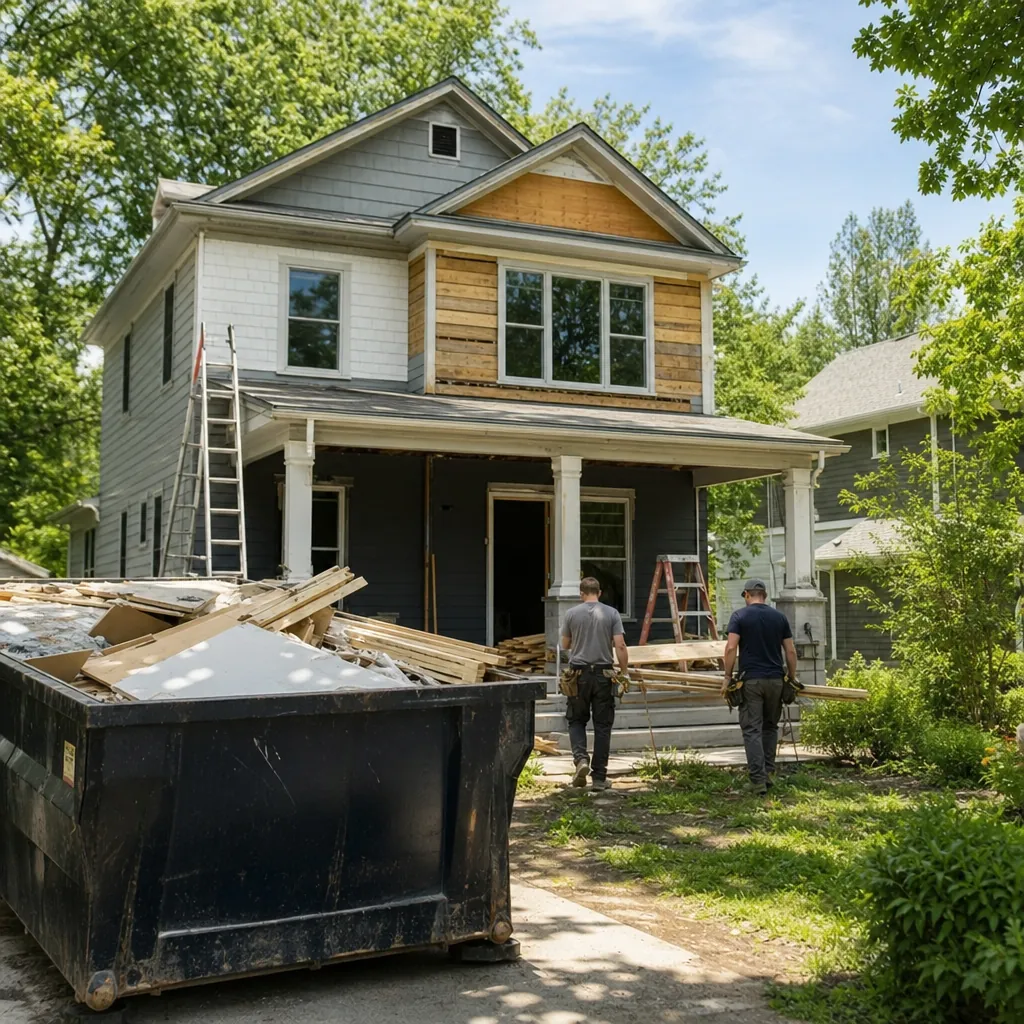
- County records. Recent purchases with no mortgage recorded, and owners or LLCs that hold several properties in your area.
- Active rehab sites. Contractors and investors working on houses in your neighborhoods.
- Local investor meetups and real estate investor associations.
- Hard money and private lenders, who know which flippers are actively buying.
- Property managers and agents who work with landlords.
- Data tools that filter for cash purchases. See the guide to finding cash buyers in PropStream as one example.
The step-by-step guide to building a cash buyers list from scratch covers outreach in detail.
Qualify buyers, don't just collect them
A short list of buyers who actually close is worth more than a long list of email addresses. For each buyer, record:
- Target neighborhoods, property types, and price range.
- Strategy (flip, rental, or both) and the rehab level they'll take on.
- How they fund deals (cash or a lender) and how quickly they can close.
- What they've bought recently and from whom.
Ask for proof of funds or a lender letter before you give a buyer the contract. When a deal comes in, contact the best-matched buyers personally before you send it to the whole list.
Packaging the deal
Send a deal sheet with the address or general location (depending on your disclosure rules), photos, your ARV with the comps attached, your repair estimate and scope, the price to the buyer, the earnest money required, the closing date, and the access schedule. Present the numbers honestly and let buyers check them. If your state limits how you may advertise a property under contract, make sure your marketing describes your contract interest in the required way.
For moving deals quickly, including showings, deadlines, and handling several offers, see the disposition strategies guide. A simple pipeline tool helps once you have more than a handful of leads and buyers. The guide to CRMs for wholesaling compares options.
Take a non-refundable deposit from your buyer
When a buyer commits, sign an assignment agreement that requires a deposit from them. That deposit is often non-refundable once their inspection window ends. It protects you if they back out late, and it covers the risk to your own earnest money. Set the size and terms with your attorney.
Back to topStep 7: Assign the contract or double close
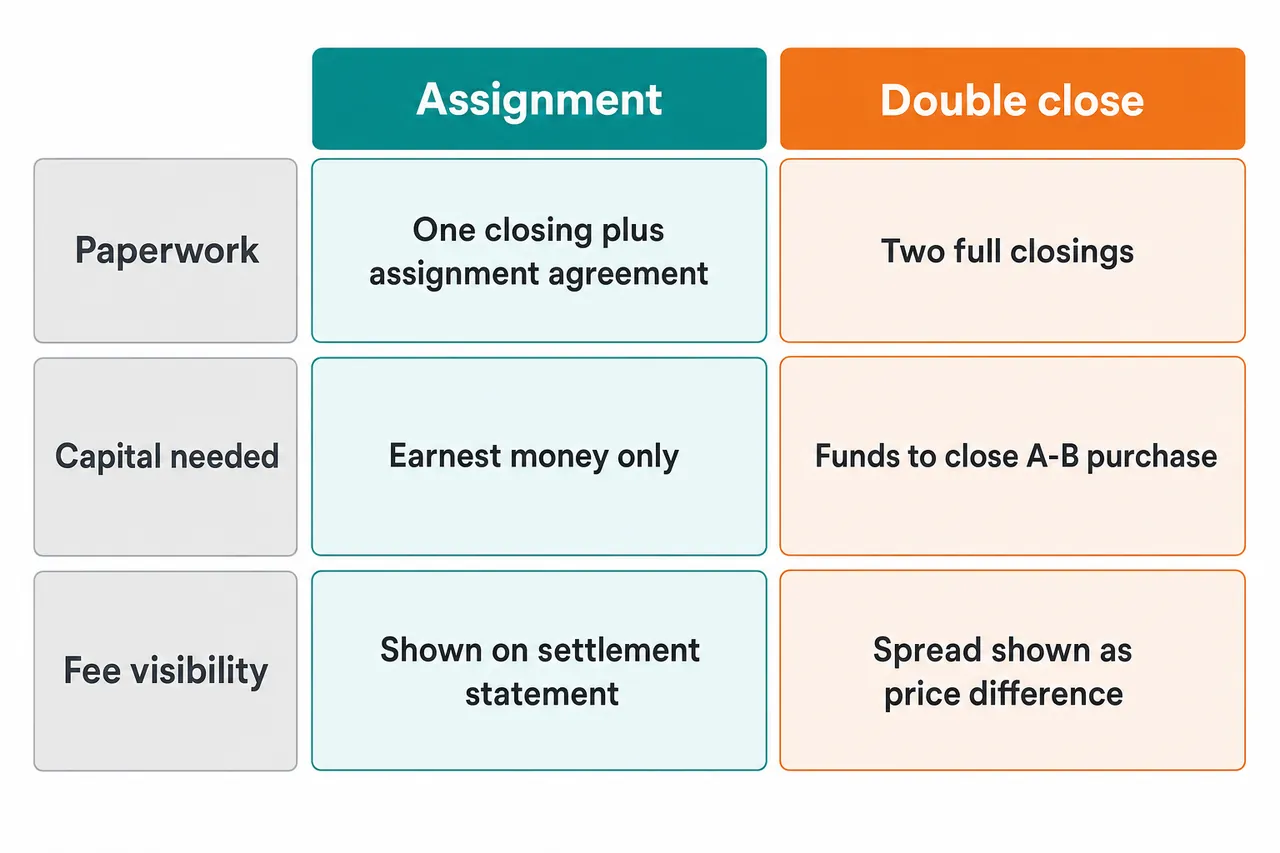
These are the two ways to get paid. Which one fits depends on the contract, your state's rules, the size of your fee, how the end buyer is financing, and how much each side should see.
| Factor | Assignment | Double close |
|---|---|---|
| How it works | You transfer your purchase rights to the end buyer, who closes directly with the seller | You buy from the seller (A-B), then sell to the end buyer (B-C), usually the same day |
| Paperwork | One closing plus an assignment agreement | Two full closings |
| Your costs | Usually low | Closing costs on both sides, plus possible short-term funding fees |
| Capital needed | Earnest money only | Funds to close the A-B purchase, often from short-term transactional funding |
| Fee visibility | Normally shown on the settlement statement | Your spread shows as the difference between two sale prices, rather than as a fee line |
| When it's used | Assignable contracts, typical fees, cash end buyers | Non-assignable contracts, larger spreads, or situations where assignment is restricted |
| Things to check | Assignability clause, state disclosure rules, title company policies | Title company and lender policies, resale restrictions if the end buyer uses certain loans, double transfer taxes in some areas |
Two points matter with double closes. First, a double close is not a way to hide material facts. Disclosure duties still apply, and some states require specific disclosures no matter how the deal is structured. Second, if your end buyer is using a loan, some loan programs restrict financing on a property the seller has owned only briefly. Have the buyer confirm with their lender before you commit. The full comparison is in double closing vs assignment.
Using the example above: as an assignment, the wholesaler collects the $12,000 fee at closing and gets the $1,000 earnest money back, or has it credited depending on how the deal is set up. As a double close, the same $12,000 spread would shrink by a second set of closing costs and any transactional funding fee. That is why many wholesalers save double closes for deals where an assignment isn't possible or the spread is large.
Back to topThe money: fees, earnest money, and startup costs
Assignment fees
No fee is standard. What a deal can carry depends on the spread between your contract price and what buyers will pay, which comes back to ARV, repairs, and how competitive your local buyers are. A fee that is reasonable on a large, profitable flip can kill a thin deal. Set your fee after you calculate the buyer's maximum, not before. The guide to assignment fees and how to negotiate them covers how to price and defend your fee.
Earnest money
Earnest money shows the seller you're serious. Amounts vary by market, price point, and what the seller will accept. On lower-priced distressed homes, a few hundred to a few thousand dollars is common. Have a title company or closing attorney hold it, never the seller directly. Know exactly when it becomes non-refundable, and only put up money you could afford to lose.
Startup and running costs
Plan for these costs:
- Business setup: entity filing, a business bank account, and an attorney review of your contracts.
- Data and skip tracing for your lists.
- Marketing: mail, phone, or ads, run consistently for months.
- A phone system, e-signature tool, and CRM.
- Earnest money for each deal.
The biggest budgeting error is not the setup cost. It is running out of marketing money before the first deal closes, because leads take time to turn into contracts. Budget for several months of steady marketing with no income. The breakdown in how much money you need to start wholesaling helps you build a realistic budget.
Taxes and entity choice
Wholesale income is generally treated as ordinary business income rather than a long-term capital gain, and it may be subject to self-employment tax. Treatment depends on your situation and structure. Talk to a CPA who works with real estate investors before your first closing, and keep clean records of every expense. Many wholesalers operate through an LLC. Ask your attorney and CPA whether that makes sense for you and how it affects your contracts and title.
Back to topCommon mistakes
- Skipping the legal homework. Marketing before you understand licensing, disclosure, and advertising rules in your state can lead to fines, unenforceable contracts, or orders to stop doing business.
- Inflating ARV or underestimating repairs. This is the fastest way to lose buyers. They will check your numbers, and they remember.
- Contracting at prices nobody will pay. If you can't name two buyers who would take the deal at your price, renegotiate or walk away before your earnest money goes hard.
- Misleading sellers. Implying you're the final buyer, hiding your intent to assign, or using the inspection period to grind the price down late damages people and your reputation. In some states it also creates legal liability.
- No assignability or wrong buyer name. Discovering at the closing table that the contract can't be assigned forces a rushed double close or kills the deal.
- Ignoring title. Liens, heirs, and unpaid taxes surface late if you don't open title right away.
- Building the buyers list after the contract. You'll be shopping under deadline pressure, and you'll take a worse buyer or a smaller fee.
- Collecting buyers, not qualifying them. A buyer who "loves it" but can't show funds will cost you a week you don't have.
- Stop-start marketing. Inconsistent marketing produces inconsistent leads. Small and steady beats big and sporadic.
- No follow-up system. Sellers who said no in March may say yes in August. Without a tracked follow-up schedule, those deals go to someone else.
- Overspending on courses before doing the basics. Learn the fundamentals, talk to sellers, and run real numbers before paying for expensive programs.
Where to go next
- For a day-by-day plan for your first month, use the 30-day action plan for your first wholesale deal.
- For more on how assignment fees are documented and paid at closing, read how wholesalers get paid with assignment contracts.
- If you're considering vacant land instead of houses, the land wholesaling guide covers the different valuation and buyer pool.
- When you're ready to keep some deals instead of assigning them, compare paths in wholesaling vs flipping vs rentals.
Back to top
Back to top
All our wholesaling articles
Wholesaling articles on KDS Development, grouped so you can go deeper on any part of this guide. Newest first.
Guides and how-tos
- Wholesaling Real Estate in California: Legal Guidelines & Deal Strategy
- How to Wholesale Land: Complete Guide for Investors
- Wholesale List Building: How to Create Your Target Property List
- Wholesaling Real Estate in Florida: Complete Guide & Best Practices
- Do You Need a Wholesaling Real Estate Attorney? Legal Checklist
- The Complete Guide to Real Estate Wholesaling: Steps, Strategies & Profits
- Wholesaling Assignment Fees: What's Typical & How to Negotiate
- What is Real Estate Wholesaling? Complete Beginner's Guide
- Real Estate Wholesaling Contracts: Essential Terms & Templates
- Wholesaling Real Estate Business Names: 50+ Ideas + How to Trademark
- How to Build a Wholesale Real Estate Business: 30-Day Launch Plan
- How to Get Started in Wholesale Real Estate: Beginner's Roadmap
Explainers
- CRM for Wholesaling Operations: Lead to Contract Pipeline Tools
- Lis Pendens Lists: Early Foreclosure Leads for Wholesalers
- Land Wholesaling vs. Land Investing: Which Strategy Pays Better?
- Wholesaling Real Estate in Australia: How It Works Down Under
- Wholesaling Real Estate: Meaning, Process, and Profit Potential
- Real Estate Wholesaling Salary: How Much Wholesalers Actually Make
- Real Estate Wholesaling: Common Questions Answered (Reddit Edition)
- Wholesaling in Real Estate: Is It Halal? Islamic Finance Perspective
- Wholesaling Real Estate with AI: How Automation Finds Better Deals
- First Wholesale Deal: A 30-Day Action Plan
- Direct Mail Campaigns for Wholesaling: What Works in 2026
- Wholesaling Laws by State: Where Is It Legal?
Comparisons
- Best Wholesaling Real Estate Courses: Compare Programs & Reviews 2026
- Best Real Estate Wholesaling Software 2026: Tools for Wholesalers & Flippers
- Whole-Tailing vs Wholesaling: Which Strategy Makes More Money
- Best Markets for Wholesaling in 2026
- Wholesaling vs Flipping vs Rental: Which Strategy First?
- Fix and Flip vs Wholesale: Pros, Cons, and Profit Potential
- Double Closing vs Assignment: Which Strategy to Use
- Wholesale vs Wholetail: Understanding the Key Differences in Real Estate Investment Strategies
Tool reviews
- InvestorLift Review 2026: Wholesale Disposition Platform
- FreedomSoft Review 2026: CRM for Wholesalers
Calculators
Frequently asked questions
Is wholesale real estate legal?
Wholesaling itself is a contract-based transaction, but how you may do it depends on your state. Some states require a license, specific written disclosures, or limits on advertising a property you don't own. Check your state real estate commission's rules and have a local real estate attorney review your contracts and marketing before you start.
Do I need a real estate license to wholesale?
It depends on where you operate and how you market deals. In some states, assigning your own purchase contract doesn't require a license. In others, advertising the property or doing repeated deals counts as brokering. A local attorney can tell you where the line is in your state and whether getting licensed is simpler.
How much money do I need to start?
Less than buying property, but not zero. You need money for entity setup, contract review, data, several months of consistent marketing, and earnest money on each contract. Running out of marketing budget before the first deal closes is the most common reason beginners quit.
What happens if I can't find a buyer before closing?
If your inspection or due diligence period is still open and you have a legitimate reason under the contract, you may be able to cancel and recover your earnest money. After it expires, you may lose the deposit or be expected to close. Avoid this by building buyers first, contracting only at prices buyers will pay, and talking to the seller early if a deal is in trouble.
Should I assign the contract or double close?
Assignment is simpler and cheaper when the contract allows it and your state's rules are met. A double close makes sense when the contract can't be assigned or the spread is large enough to absorb two sets of closing costs and any funding fees. Confirm the approach with your title company before you sign with an end buyer.
Do I have to tell the seller I plan to assign the contract?
Many states now require written disclosure, and even where it isn't required, being clear protects you and the seller. Tell sellers in writing that you're an investor, that you may assign the contract or partner with another buyer, and that you expect to profit from the transaction.
Back to top