

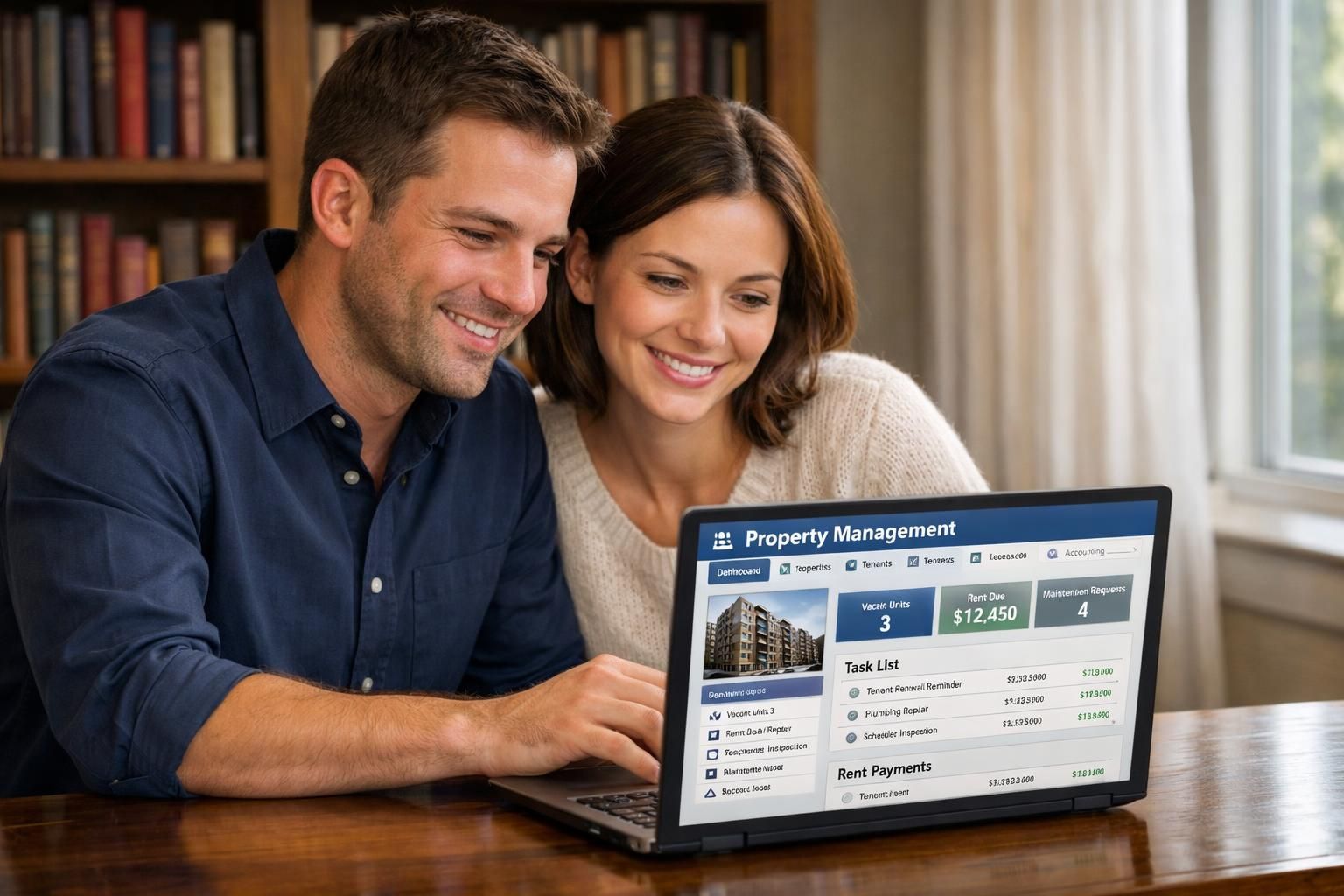
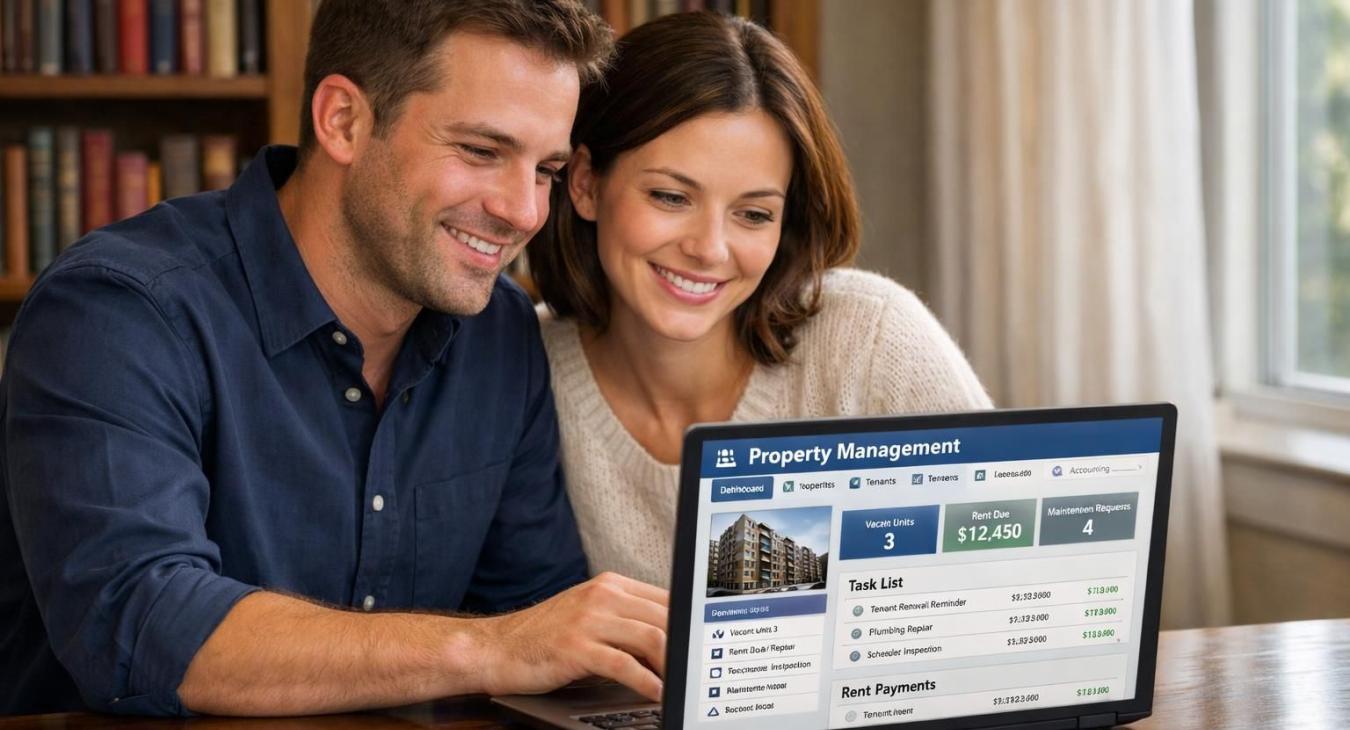
Explore our best landlord software for small portfolios review to find tools that simplify management, boost your ROI, and save you valuable time.
Table of Contents
- Key Features to Look for in Landlord Software
- Buildium: Best Overall for Small Landlords
- Innago: Best Free Software for Small Portfolios
- TenantCloud: Best for Budget-Conscious Landlords
- DoorLoop: Best All-in-One Property Management Solution
- Avail: Best for First-Time Landlords
- How to Choose the Right Software for Your Needs
- Review of the Best Landlord Software for Small Portfolios
- Conclusion
- FAQs
Best Landlord Software for Small Portfolios 2026

Managing rental properties looks easy until you handle online rent collection, tenant screening, and maintenance tracking all at once. Many small landlords think advanced property management tools are only for big companies.
Yet, cloud-based solutions now represent over 62 percent of the market, making powerful features accessible to everyone with just a few clicks. 2 This best landlord software for small portfolios review will break down industry myths and point you to smart choices that fit your budget and size.
With years of hands-on experience testing top residential property management apps like Buildium, Innago, and TenantCloud, I know what separates user-friendly platforms from time-wasters. 1 You will discover how to save time on lease agreements, track expenses better than QuickBooks Online alone allows, and boost your return on investment fast. Keep reading if you want clear answers about the right software for smarter growth.
Key Takeaways
- Over 62% of property management software is now cloud-based, making powerful tools available to small landlords (citation 2).
- Buildium is the best overall for small landlords, offering robust features like automated rent collection and maintenance tracking. Its Essential plan starts at $58 per month and covers up to 150 units.
- Innago stands out as a free option with no monthly fee. You only pay transaction fees ($2 ACH or 2.99% card). It supports unlimited properties and includes tenant screening from TransUnion (citation 1).
- TenantCloud lets you manage up to 75 units for free, then charges $15.60/month if you need more features or have a bigger portfolio. Maintenance tracking and online payment tools are included.
- Each platform offers important benefits such as digital lease signing, automated reminders, tenant communication portals, and mobile app access—helping small landlords save time while boosting ROI in 2026.
Key Features to Look for in Landlord Software

Smart property management apps should make your daily tasks faster and easier. The right platform gives you the power to handle everything from tenant communication to financial reporting in one secure place.
Rent collection and tracking
Electronic rent collection methods dominate in 2026. Most property management software, such as Buildium, Avail, and TenantCloud, lets you collect payments through ACH debit or credit card.
You can set up autopay features to reduce late payments. Typical transaction fees stand at 1% plus $6.95 for debit cards and around 3.5% plus $6.95 per payment for credit cards. Free platforms like Innago often charge by transaction instead of a subscription fee; expect costs like $2 ACH or a 2.99% card fee.
You will find these tools not only centralize your online rent collection but also automate reminders for tenants before the due date arrives. This reduces manual work and human error on your end while keeping communication transparent with tenants using portals available through Rentec Direct or Yardi Breeze.
Automated workflows link each payment directly into integrated accounting features so every dollar reaches your financial reporting dashboard in real time.
From personal use, switching from cash checks to an app-based platform made tracking easier during tax season and improved ROI across my rental portfolio almost overnight. Cloud-based solutions allow you to pull up reports or export documentation anytime you need it without worrying about missing data migration steps if your portfolio grows beyond just a few rental homes later on.
Tenant management tools
Tenant management tools help you handle applicants, leases, and renters with ease. Platforms like TenantCloud, Avail, Innago, and TurboTenant provide customizable tenant screening services.
These use TransUnion or Experian to run credit checks, criminal background checks, income verification, and eviction history reports. This keeps your residential property management process compliant and reduces risk from unreliable tenants.
You gain more than just screening features. Most leading property management software offers online rent collection and digital lease signing for efficiency. Automated reminders let you send payment notifications or renewal alerts right from your dashboard.
Secure messaging tools improve communication with renters while maintaining records for each interaction.
Digital document storage protects signed leases while giving both landlords and tenants 24/7 access through a secure tenant portal. Maintenance request tracking in apps such as TenantCloud allows renters to upload photos or videos of repairs needed on apartments or rental properties directly into the database for fast response times.
All-in-one landlord software options streamline tasks so that even small landlords can boost ROI without outsourcing portfolio management or hiring extra staff.
Maintenance request tracking
Maintenance request tracking has become a core feature in property management software. You can receive maintenance requests from tenants through platforms like TenantCloud and Innago.
These systems enable uploads of photos or videos, which helps you assess repairs faster. Work order tracking and status updates keep you informed at every step.
Many landlord apps now automate maintenance task scheduling with reminders, saving time and lowering delays. Mobile access allows landlords to respond quickly while off-site, further improving tenant communication.
Starting in 2025, most leading platforms support AI-powered predictive maintenance for smarter repair coordination. Even free plans such as those offered by Apartments.com include robust maintenance management tools so small landlords do not miss critical repairs or compliance issues.
IoT features detect water leaks or HVAC problems early for better asset protection across your rental properties portfolio. In my experience managing residential units, these digital solutions have reduced downtime and improved ROI by streamlining problem-solving and vendor management tasks within one easy-to-use dashboard.
Financial reporting and accounting
Automated accounting features help you track rental income, expenses, and generate owner statements with ease. Platforms like Buildium offer financial reporting built for small landlords, including bank reconciliation and tax readiness tools.
In my experience using Stessa, I found its free expense tracking and tax simplification especially helpful around filing season. Over 350,000 landlords trust platforms like Stessa to prepare accurate reports every month.
Banking integrations in affordable property management software let you monitor cash flow or reconcile your accounts painlessly. Baselane even provides up to 4.25% APY banking with its Smart plans.
You can export reports for a CPA or use them directly during tax time. Unlike complex systems such as Yardi Voyager or RentManager, simpler solutions keep your focus on running residential properties instead of wrangling spreadsheets all day long.
Scalability for small portfolios
Scaling a small rental portfolio demands the right property management software from day one. Innago lets you manage unlimited properties or units at no monthly cost, earning its revenue through payment processing fees instead.
You can start with a single unit and add more as your business expands, all while keeping expenses under control. TenantCloud’s free plan supports up to 75 units before shifting to paid options that begin at $15.60 per month, offering flexibility as your needs grow.
Buildium Essential serves portfolios up to 150 units for $58 each month; upgrading unlocks enterprise-level features when required. DoorLoop fits best if you manage between five and 100 rentals, starting at $59 monthly for twenty properties.
Most platforms support fast setup times—just days for simple apps like Innago and two to six weeks for solutions such as Buildium or AppFolio—so you can get started quickly regardless of size.
As your investments increase, reliable tenant management tools become vital in keeping pace with growth. Cloud-based platforms allow easy data migration whether assistance is complimentary or comes with a fee.
Free plans make it simple to test key functions like rent collection and maintenance requests without upfront subscription costs, ensuring your tech stack remains nimble until higher volume justifies spending more on accounting features or automated reminders down the road.
Back to topBuildium: Best Overall for Small Landlords

Buildium gives you a powerful cloud-based platform for property management. You can manage rent collection, tenant communication, and accounting features with ease.
Features & Benefits (Buildium)
You gain full control of your rental properties using Buildium’s property management software. Online rent collection is seamless, letting tenants pay via ACH, credit, or debit cards.
Automated late fee calculation saves you time and avoids missed charges. Track every payment from your mobile app no matter where you are.
Screen potential renters with thorough tenant screening through TransUnion and Experian for background and credit checks. Instantly handle maintenance requests with clear records and repair coordination tools built in for better maintenance tracking.
Draft leases digitally, collect e-signatures fast, set renewal reminders, and keep all documents stored securely within the platform.
Track income and expenses automatically for tax readiness at year-end. Link bank accounts to reconcile transactions or produce accurate owner statements anytime you need them. List vacancies on top rental marketing sites to attract more qualified applicants without extra effort.
With these features combined, landlord tasks become easier while helping increase ROI on small portfolios without hiring outside help or services like Rentec Direct or Yardi Breeze.
Pros & Cons (Buildium)
Buildium stands out for small landlords who manage both single-family and multifamily homes. Here is a breakdown of the main advantages and drawbacks based on first-hand use and industry analysis:
| Pros | Cons |
|---|---|
|
|
Innago: Best Free Software for Small Portfolios

Innago gives small landlords access to essential property management tools without charging monthly fees. You can streamline online rent collection and handle tenant communication using one user-friendly cloud-based platform.
Features & Benefits (Innago)
You get robust property management software at no monthly cost with Innago. This platform supports unlimited rental properties and units, making it a smart choice for independent landlords handling up to 20 properties.
You only pay small transaction fees: $2 per ACH payment or 2.99% for card payments, so you control your expenses while offering tenants easy online rent collection. 1
The tenant screening process uses TransUnion data, helping you make informed leasing decisions. Automated reminders keep both parties on track with rent due dates and upcoming lease renewals.
Tenants can submit maintenance requests through the portal using photos or videos; this feature streamlines repair coordination and improves response times.
Innago adapts to any type of rental portfolio including residential buildings, student housing, and commercial spaces. Tenant portals provide clear communication tools like messaging features that help resolve issues faster.
With simple setup in days to two weeks, you gain access to key functionalities such as document storage, digital lease signing, financial reporting tools for tax readiness, and seamless customer support—key advantages in modern residential property management.
Pros & Cons (Innago)
Innago stands out for small portfolio owners, offering strong functionality without subscription costs. Examine the core advantages and drawbacks below to guide your decision.
| Pros | Cons |
|---|---|
|
|
TenantCloud: Best for Budget-Conscious Landlords

TenantCloud gives you robust property management tools without high subscription fees. You can track maintenance requests, handle online rent collection, and manage your rental properties from a user-friendly cloud-based platform.
Features & Benefits (TenantCloud)
Manage up to 75 rental units for free with TenantCloud’s affordable property management software. You can collect rent online using ACH or card payments, making it easy for your tenants and reducing late payments.
Automate reminders for rent due dates and lease renewals, so important tasks never slip through the cracks. Digital lease signing speeds up move-ins while secure document storage keeps all records organized.
These features save time and reduce paperwork.
Streamline maintenance requests by allowing renters to upload photos or videos when something breaks. This helps you assess issues faster and assign repairs with confidence. Use built-in tenant screening tools to run criminal, credit, and eviction checks that support smart leasing decisions.
The dashboard supports both residential properties as well as student housing and commercial spaces, letting you manage diverse portfolios from one platform.
Migrate existing data easily if you switch over; reliable customer support ensures a smooth transition even if you have no tech background. Reporting tools simplify accounting by tracking income and expenses across multiple rentals in real time—helping small landlords prepare for tax season without stress.
With paid plans starting at just $15.60 per month after 75 units, you get robust features without straining your budget or sacrificing usability compared to big names like Rentec Direct or Yardi Breeze.
Pros & Cons (TenantCloud)
TenantCloud remains a popular property management solution among real estate professionals overseeing modest portfolios. First-hand use highlights its strengths in affordability, versatility, and tenant interaction. Below is a breakdown of TenantCloud’s pros and cons for small-scale landlords:
| Pros | Cons |
|---|---|
|
|
DoorLoop: Best All-in-One Property Management Solution

DoorLoop helps you handle rent collection, tenant management, and accounting in one platform. This cloud-based property management app gives you automated reminders and robust maintenance tracking for your rental properties.
Features & Benefits (DoorLoop)
A modern dashboard gives you a clear overview of your rental properties, upcoming rent payments, and urgent maintenance requests. You can set up automated rent collection with built-in late fees and payment reminders, which helps reduce missed payments and saves time every month.
The mobile app lets you access all property management features while on the go. Tenants also benefit from easy online maintenance request tracking.
Integrated tenant screening allows you to run background and credit checks quickly using trusted providers like TransUnion. Lease management tools support digital document creation and e-signatures for faster leasing cycles.
You can connect DoorLoop with popular accounting software for seamless financial reporting, expense tracking, and tax readiness. Rental listing syndication sends your property listings to leading platforms so vacancies fill faster without extra effort.
Pros & Cons (DoorLoop)
DoorLoop delivers a streamlined and modern experience, ideal for managing between five and one hundred residential properties. You gain strong mobile app functionality that supports property management on the go. Modular plans allow you to scale as your portfolio expands, making it suitable for both single-family rentals and small apartment buildings. Automation tools handle tasks like rent collection, maintenance requests, document storage, tenant communication, vendor management, lease management, accounting features integration with external software such as QuickBooks or payment processors.
You must consider some downsides before choosing DoorLoop for your rental properties. The platform does not offer a free plan; every user needs a paid subscription service to access its cloud-based features. Some property managers find DoorLoop’s basic accounting may fall short if their circumstances require advanced financial reporting or tax readiness tools beyond the basics. Implementation can take from two to six weeks depending on your setup process—longer than many affordable property management software options targeting small landlords who need speed.
Back to topAvail: Best for First-Time Landlords
Avail gives you simple lease management and online rent collection that work well for your first rental property. You can use the tenant portals and maintenance tracking tools to manage your business with less stress.
Features & Benefits (Avail)
Access a free core plan or upgrade to Unlimited Plus at $9 per unit each month for more robust property management. Syndicate your rental listings across 24 platforms with one click, helping you attract quality tenants faster using this cloud-based platform.
Collect rent online through ACH transfers and cards while sending automated reminders, reducing late payments and improving cash flow.
Benefit from tenant screening tools with customizable reports that help lower risk during the leasing process. Offer CreditBoost and renters insurance to support responsible residents in your residential properties.
Manage maintenance requests easily within the system, streamlining repair coordination without extra fees. Use digital lease signing, secure document storage, built-in accounting features, and simple financial reporting designed for small landlords who want user-friendly solutions that pay for themselves as performance metrics improve over time.
Pros & Cons (Avail)
Avail offers a free core plan that includes essential property management software features like online rent collection, tenant screening, and maintenance request tracking. You get access to extensive listing syndication that helps you reach more potential tenants across popular rental sites. The Unlimited Plus plan stays affordable at $9 per unit each month and adds document storage, automated reminders, digital lease signing, and enhanced customer support.
CreditBoost lets your tenants build their credit by reporting on-time payments. Renters insurance is easy to offer through the platform. Transaction fees apply for some payment methods such as credit cards or certain bank transfers. Larger portfolios may find Avail's feature set basic since it caters mostly to first-time landlords or DIY investors managing residential properties instead of large multifamily units. If you need advanced financial reporting or vendor management tools like those in Yardi Breeze or DoorLoop, you might outgrow this platform fast.
Back to topHow to Choose the Right Software for Your Needs
Picking the best property management app can help you save money and grow your rental properties. Explore how cloud-based platforms, automated workflows, and financial reporting tools support your business goals.
Assessing your portfolio size and goals
Start with a clear view of your portfolio size before picking property management software. If you own 1 or 2 rental properties, you may not need complex accounting features or advanced tenant screening tools yet.
Many small landlords find free options like Innago effective for basic rent collection and simple maintenance tracking. For portfolios with 3 to 5 units, digital lease signing and automated reminders help save time each month.
A growing real estate portfolio changes your requirements quickly. Manage up to five properties easily using affordable platforms such as TenantCloud or Buildium Essential. These offer financial reporting, online rent collection, and expense tracking tailored for smaller operations without extra costs found in enterprise systems like Yardi Breeze or AppFolio Core, which require a minimum of at least fifty doors.
As soon as you hit ten-plus units, features like document storage, vendor management, and repair coordination start paying off by streamlining tasks.
Set clear goals from the start whether your focus is cash flow from affordable housing or maximizing ROI on higher-end units. I have managed both single-family homes and multifamily buildings using different software models over the years; ease of use always wins out when handling daily work alone versus working alongside a team dedicated to residential property management at scale.
Your roadmap will help determine if landlord studio apps suit your phase best or if more robust subscription services make sense as growth continues.
Comparing free vs. paid options
Free landlord software options, such as Innago and TenantCloud, let you handle rent collection and maintenance tracking at no cost. These platforms make money by charging transaction fees on ACH payments or credit card processing—often $2 for each bank transfer or about 2.99% per card payment.
Feature sets may feel limited with these free plans; document storage, automated workflows, tax readiness reports, and AI-powered property management tools often require upgrades.
Paid options like Buildium or DoorLoop unlock more robust features for small landlords who need financial reporting, advanced tenant screening, or full-scale accounting features. Monthly prices start around $58 to $59 for entry-level packages on cloud-based platforms; high-volume landlords can spend up to $375 monthly for premium services.
Many paid products use a per-unit pricing model that scales with your rental properties portfolio size—AppFolio charges between $1.49 and $5 per unit each month. You often pay less in transaction fees on paid plans because they include free ACH transfers and deeper integrations with other fintech tools.
If managing costs is key, compare these tiers carefully to match your needs and ROI targets in residential property management apps before you choose the right solution for your business growth goals.
Back to topReview of the Best Landlord Software for Small Portfolios
Buildium stands out for small landlords who want a complete property management solution. The Essential plan costs $58 per month and covers up to 150 units, which suits most small portfolios.
You get robust rent collection features, digital lease signing, maintenance request tracking, accounting tools, and tax readiness support. Growth and Premium plans offer advanced options like automated workflows and artificial intelligence-powered insights.
Buildium’s ease of use saves time on everyday tasks such as vendor management or p&l reporting.
Innago is a top pick if you prefer affordable property management software with no monthly cost. It charges only transaction fees—$2 per ACH transfer or 2.99 percent for card payments—and supports unlimited rental properties.
Tenant screening comes built-in at no extra charge; document storage keeps your leases safe; and automated reminders help with tenant communication about rent due dates or repair coordination requests.
If you value budget-friendly tenant portals that streamline online rent collection without hidden costs, Innago can pay for itself quickly in efficiency gains.
TenantCloud delivers maintenance tracking tools along with solid accounting features through its free tier for up to 75 units or paid tiers starting at $15.60 monthly when billed annually.
DoorLoop targets those seeking all-in-one residential property management solutions beginning at $59 monthly for up to 20 units but scaling well up to 100 rentals thanks to strong customer success support and an intuitive design fit for Android apps users too. 2
Affordable alternatives include TurboTenant, RentRedi, Stessa (with expense tracking designed specifically for tax simplification), Apartments.com’s cloud-based platform supporting listings plus screening services, Rentec Direct’s low-cost payment processing setup, Baselane offering high-yield banking accounts useful during mortgage reimbursement cycles, Yardi Breeze’s simple landlord studio modules perfect for new investors learning digital lease management basics fast via user friendly dashboards backed by responsive customer service hotlines able to guide first-time landlords step-by-step through every feature required in both routine repairs oversight and eviction scenarios alike.
Back to topConclusion
Choosing the right property management software helps you stay organized and save time. For small landlords, options like Buildium, Innago, and TenantCloud each offer unique benefits for rent collection, maintenance requests, and tenant screening.
Cloud-based apps with tools such as digital lease signing and automated reminders support efficient workflow. Review your portfolio goals carefully to find the best fit for your budget and needs.
Make smart use of technology so your rental business runs smoothly and grows steadily.
Back to topFAQs
1. What is the best property management software for small landlords in 2026?
The top choices include Rentec Direct, Landlord Studio, and Yardi Breeze. These platforms offer strong tenant screening, online rent collection, maintenance tracking, and financial reporting features designed for rental properties with smaller portfolios.
2. How does landlord software help with tenant management and communication?
Landlord software provides tenant portals that streamline communication between landlords and tenants. You can handle maintenance requests, send automated reminders about rent collection or lease renewals, and store important documents securely within these cloud-based platforms.
3. Can affordable property management software support digital lease signing and accounting needs?
Yes; many solutions now offer digital lease signing to speed up leasing workflows along with integrated accounting features like expense tracking, tax readiness tools, and clear financial reporting for residential property management.
4. Does landlord software make it easier to manage repairs or coordinate vendors?
Maintenance management modules allow you to track repair coordination efficiently from start to finish. Some apps let tenants submit requests directly while offering vendor management tools so you can assign jobs quickly without missing deadlines.
5. Are there marketing tools included in landlord apps for small portfolios?
Many leading property management apps provide built-in marketing tools such as listing syndication that helps fill vacancies faster by advertising across multiple channels at once; this boosts ROI through lower vacancy rates.
6. Is customer support available if I run into problems using these platforms?
Most providers offer responsive customer support via phone or chat as part of their service package; some also use a freemium model where basic help is free but advanced assistance may require a paid plan tailored for your portfolio size or feature set.
References
- ^ https://innago.com/core-features-property-management-software/ (2026-02-17)
- ^ https://www.stessa.com/blog/small-landlord-software/