


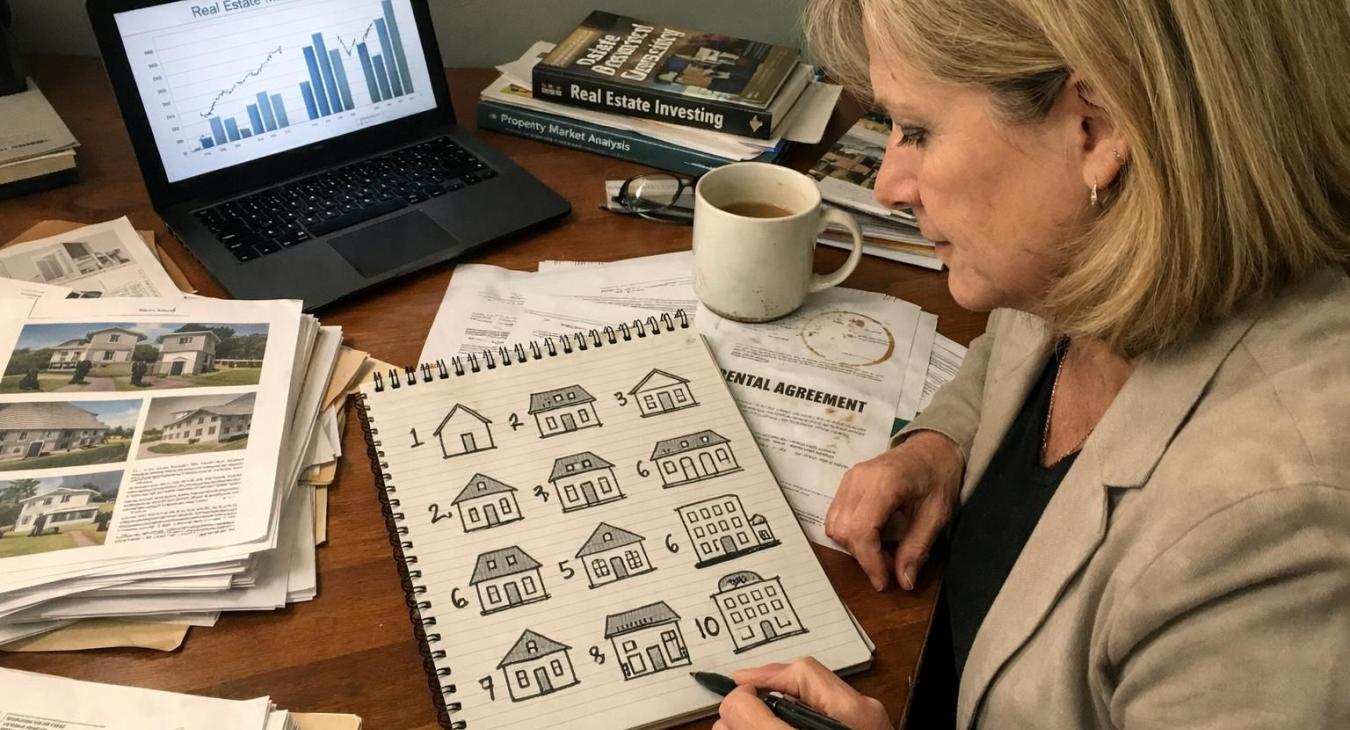
Building a Rental Portfolio can lead to financial freedom. Learn actionable steps to scale from 1 to 10 doors and maximize your investment potential.
Building a Rental Portfolio: From 1 to 10 Doors
Many investors think that buying one rental property is enough to achieve passive income and financial freedom. Yet, research shows that scaling up is key for building long-term wealth through real estate investing. 1 Building a Rental Portfolio from 1 to 10 doors gives you more cash flow and greater control over your investment strategy. You gain exposure to different markets, learn risk management skills, and see how various property types can impact your bottom line.
This guide brings together actionable steps backed by proven data. 2 Arielle O'Shea, who has almost two decades of experience in personal finance and investment analysis, shares advice based on thorough market research and industry best practices.
Learn how smart decisions at every stage can help you grow a strong rental portfolio. See what the right approach could do for your future investments.
Key Takeaways
- Scaling your rental portfolio from 1 to 10 doors increases cash flow and helps diversify risk. Investors like Tiffany Alexy have used house hacking and smart financing to start small and grow bigger.
- The U.S. will need 4.3 million more apartments by 2035, making multifamily units a strong choice for stable rental income (National Multifamily Housing Council). Home values outpaced inflation, rising 2.4 times faster since the 1960s.
- Tools such as BiggerPockets, AppFolio, Buildium, Digital Treasury Tools, CoStar, and STR Revenue Calculator help investors analyze deals and manage properties effectively.
- Experts like Jessica Landingham stress keeping cash reserves to survive market swings. Setting SMART financial goals with digital tools lets you track progress clearly.
- Working with mentors and using professional networks gives new investors guidance on property management challenges—including labor shortages—and access to better funding options such as joint ventures or REITs (Rocket Mortgage®, J.P. Morgan Wealth Management).
Why Build a Rental Portfolio?
You amplify your cash flow and unlock valuable tax advantages by growing a rental portfolio with single-family homes, multifamily units, or vacation rentals. Real estate investing software such as BiggerPockets and STR Revenue Calculator helps you analyze deals and supports smarter investment strategy decisions for long-term wealth.
Benefits of rental property investments
Rental properties generate predictable passive income while serving as a hedge against inflation. As rent prices rise over time, your real estate portfolio supports stable cash flow and long-term wealth-building potential.
Investors often use direct ownership, REITs such as J.P. Morgan Wealth Management’s offerings, or digital real estate platforms to diversify risk and build streams of income.
Tax advantages like depreciation write-offs and deductible expenses increase your net returns from rental homes, multifamily properties, or commercial buildings. Industry projections expect a need for 4.3 million more apartments by 2035; investing in single-family homes or scaling up to larger residential portfolios positions you to meet this demand.
Use tools like data analytics software and STR revenue calculators for smarter asset management and better deal flow decisions across your rental property portfolio.
Long-term wealth-building potential
Home values in the United States have outpaced inflation, rising 2.4 times faster since the 1960s and illustrating real estate's ability to build long-term wealth. 1 As you expand your rental portfolio from one property to ten, compound growth can accelerate with each door added, boosting both cash flow and asset appreciation.
Ninety percent of millionaires invest in real estate because it offers enduring financial rewards like passive income and steady asset growth.
Experts such as Jennifer Beadles highlight that projected rental yields will reach between 6% and 8% in 2024, offering robust returns compared to many traditional investments. Investment tools like REITs create opportunities for regular dividend income while letting you reinvest earnings for further gains over time.
Tax advantages including depreciation write-offs and deductible expenses shape a compelling investment strategy by raising net returns year after year. Structured financing plans through lenders such as Rocket Mortgage® or Commercial Term Lending can accelerate your journey toward substantial equity accumulation and financial freedom over decades of careful property management.
Sustained population growth means the country will need an extra 4.3 million apartments by 2035 according to industry research; this underlines long-term demand for multifamily properties, commercial portfolios, vacation rentals, single-family homes, short-term rentals, and beyond.
To capitalize on these trends as an investor or agent, set clear investment goals early on and consistently review market data using advanced analytics platforms before adding new assets into your real estate portfolio.
Back to topDecision Framework for Expanding Your Portfolio
You should create clear investment goals before growing your real estate portfolio. Use real estate analytics and digital treasury tools to identify the strongest markets for cash flow and job growth.
Setting clear financial goals
Set specific and measurable financial goals before acquiring new rental properties. 2 Define your targets for annual cash flow, property appreciation, and return on investment with figures you can track easily using real estate investment software like Digital Treasury Tools or analytics from JP Morgan Chase.
SMART goals direct every step in building a real estate portfolio, helping select profitable single-family homes, multifamily properties, or commercial assets.
Review your objectives often to ensure they match current market conditions and risk tolerance. Establish both short-term milestones such as hitting $10,000 in annual cash flow within two years, and long-term aims like reaching ten doors by 2028.
Detailed criteria provide clear benchmarks for progress and inform strategic decisions about financing strategies, diversification into REITs or vacation rentals, and engaging with firms such as Peak Residential Property Management for efficiency gains.
A strong foundation of actionable financial goals keeps your expansion focused while adapting to shifts in the real estate market or economic trends like regional job growth.
Assessing market conditions and trends
Track property values, rent growth, and market stability using advanced tools. Automated Valuation Models (AVMs) can offer quick estimates, but you may face issues with sudden market swings or unique building features.
Hybrid models that use AI and Building Information Modeling (BIM) have shown strong accuracy in recent tests on high-rise residential projects. For example, a BIM-driven system matched real sale prices for one- and two-bedroom units; three-bedroom unit estimates differed only slightly from actual transactions. 3
You gain deeper insight into the real estate market by pairing machine learning analytics with local transaction data. Tools like investment banking platforms at JPMorganChase or data provided by asset managers help investors map trends such as job growth or housing affordability shifts in specific regions like the Pacific Northwest.
Use these analytics to shape your buy box criteria so you target rental properties showing positive appreciation and cash flow signals while managing risk tolerance effectively.
Back to topSteps to Scale from 1 to 10 Doors
Build your real estate portfolio by using smart financing options like traditional loans or joint venture partnerships. Evaluate market data with real estate investment analytics tools to target properties that support stable cash flow and long-term wealth.
Acquiring your first property
Tiffany Alexy started real estate investing at age 21 in Raleigh, North Carolina. She bought a four-bedroom, four-bathroom condo and used house hacking to begin her rental portfolio.
By living in one bedroom and leasing the other three, she managed property maintenance firsthand while generating $100 in extra monthly cash flow. House hacking stands out as a proven investment strategy, especially for those who want to build long-term wealth with passive income.
You can qualify for favorable residential loans on properties with up to four units if you use this method. Self-managing your initial asset gives you direct industry experience that supports smarter moves later in your career as an investor or agent.
David Meyer of BiggerPockets highlights these benefits for new entrants seeking financial freedom through real estate portfolios. Start by setting clear investment goals and establish specific criteria—such as job growth trends or robust rental demand—to guide your first acquisition choice effectively. 2
Leveraging financing options for growth
Securing hard money loans offers you speed and flexibility as you acquire new rental properties. Many investors use portfolio loans or private funding to finance multiple doors at once, increasing their chances for rapid growth.
Traditional mortgages can also remain a core part of your financing strategy. Diversifying these methods lets you match each property type—whether multifamily homes, industrial sites, or vacation rentals—with the best possible loan product.
Developing a clear business plan ensures that your investment strategy matches your risk tolerance and long-term wealth targets. Experts such as Spencer Sutton recommend using systematic acquisition plans to scale efficiently from one unit to ten.
Accessing various lending solutions like joint ventures, commercial banking resources, or real estate investment trusts supports steady expansion while maintaining positive cash flow.
Aim to review all available options before making decisions; this helps maximize financial leverage in your rental portfolio journey.
Diversifying property types and locations
Investors reduce risk by adding different property types to their real estate portfolio. Single-family homes, multifamily properties, commercial buildings, and vacation rentals all respond differently to market changes.
For example, the National Multifamily Housing Council projects a need for 4.3 million more apartments by 2035 in the United States. This demand makes multifamily units an attractive addition for stable cash flow if other segments lag.
Expanding into new locations offers access to job growth and shifting demographics across regions like the Pacific Northwest or Southern cities. Analyze local laws and zoning codes before acquisition; each area has its own landlord-tenant rules and tax benefits to consider.
Consider hiring a professional property manager when investing outside your base market. Tools such as real estate investment software help you track performance across diverse holdings while supporting sound decision-making on future purchases and maintenance needs.
Back to topStrategies for Scaling Your Rental Portfolio
Experts such as Jamie Lane highlight the value of joint venture partnerships and solid lease management to help real estate investors grow their rental portfolios. Use property investment software and seek guidance from experienced mentors like Jessica Landingham to make smarter, data-driven decisions at each stage of expansion.
[Scaling Your Rental Portfolio: Expert Tips and Insights](https://www.kdsdevelopment.net/articles/scaling-rental-portfolio)
Leverage a clear investment strategy and select target markets that show steady job growth to scale your rental portfolio. 4 Use financing options like portfolio loans, traditional mortgages, or private capital to acquire multi-family properties or diversify into single-unit homes and vacation rentals.
Jessica Landingham highlights the need for positive cash flow, noting that "cash reserves are what keep investors afloat in market swings." Use digital tools such as real estate investment software and lease administration platforms to streamline property management.
Create an expert support team including a professional property manager and specialized contractors for property maintenance. Invest across different asset classes such as commercial spaces or industrial portfolios to safeguard against vacancy risks.
Review your holdings quarterly using performance dashboards to ensure they meet risk tolerance levels and align with long-term wealth objectives. Draw on resources from industry leaders like Jamie Lane for guidance specific to scaling successfully beyond five doors in regions such as the Pacific Northwest.
Back to topRisks and Challenges in Building a Rental Portfolio
Uncertainty in the real estate market can affect your cash flow and long-term wealth plans. Using investment software and professional property managers helps you control losses and keep your portfolio on track.
Market fluctuations and vacancy risks
Real estate market fluctuations can disrupt both cash flow and property values in your rental portfolio. Automated Valuation Models, or AVMs, often struggle to provide accurate price estimates during unstable times.
Rely on local data and experienced appraisers to refocus your investment strategy when prices shift quickly.
Vacancy risks increase as market conditions change, placing pressure on passive income streams. Property owners who implement strong risk management strategies maintain financial stability even during downturns. 5 Investing across different property types such as single-family homes, multifamily properties, and commercial real estate helps balance these risks. Sustainable profits allow you to keep units filled while offering tenants stable housing options despite economic swings.
Consider professional property management tools and regular tenant selection reviews for greater resilience against vacancy spikes.
Property management complexities
Managing a rental portfolio with multifamily properties demands more labor, especially as tenant volumes rise and lease terms shorten. 6 According to industry data, job postings for property management have dropped due to a labor shortage and increased need for skilled candidates in 2023.
You may find that smaller owners frequently face misaligned expectations with third-party firms. This often results in service gaps which can impact both cash flow and tenant satisfaction.
Operational issues add another layer of difficulty. Tenant turnover rises as your door count grows, leading to more frequent repairs and property maintenance needs. Local regulations require careful attention at every step of real estate investing; failing to comply may result in fines or legal action.
Technology integration remains critical in today's landscape but lacks extensive research for small to mid-sized complexes, leaving many landlords without clear solutions. To avoid these pitfalls, consider hiring an experienced property manager or using specialized real estate investment software like Buildium or AppFolio.
These tools help streamline rent collection, track maintenance requests efficiently, and support risk management as you scale from one unit up to ten doors across different markets such as the Pacific Northwest region or commercial properties nationwide.
Back to topTools and Resources to Support Portfolio Growth
Many investors use rental property software and mentorship groups to streamline portfolio growth. Seek out data platforms like CoStar and join real estate forums to compare cash flow strategies in active markets.
Real estate investment software
Real estate investment software transforms property management and streamlines expansion of your rental portfolio. Tools like AppFolio, Buildium, or Stessa automate tasks such as rent collection, financial reporting, and property maintenance tracking.
You can analyze potential investments using data analytics tools powered by Yardi Matrix or CoStar, which offer real-time market trends and job growth statistics to inform your investment strategy.
As you scale from one to ten doors or beyond, digital platforms help manage cash flow across diverse asset types including single-family homes, multifamily properties, vacation rentals, and commercial buildings.
Real estate investment trusts (REITs) also benefit from these solutions by offering fractional ownership if direct acquisition does not meet your risk tolerance or financing plan. Automating leasing processes and performance reviews supports efficient long-term rental strategies while reducing errors and saving time.
Use technology to track key benchmarks so you can focus on building financial freedom through scalable systems rather than manual oversight.
Professional networks and mentorship
Professional networks connect you to experienced investors and property managers who share real estate investing strategies. Through these relationships, you gain access to valuable expertise that shapes how you grow your rental portfolio.
Mentorship proves essential when acquiring multifamily properties or managing commercial properties for the first time. A mentor can help you build a clear investment strategy, spot risk, and set realistic investment goals.
Well-connected advisors guide decisions like expanding into single-family homes or diversifying property types. Professional connections often identify profitable opportunities, secure funding through joint venture partnerships, and support effective risk management planning.
Use trusted networks to budget for sustainable cash flow and long-term wealth while maintaining high standards in property maintenance and asset management. 5 Seek ongoing advice from seasoned mentors to avoid common pitfalls as you scale from one door to ten doors.
Back to topConclusion
Building a rental portfolio from one to ten doors requires clear investment goals and discipline. Use the right real estate tools and networks to manage risks and boost your cash flow.
Stay mindful of market changes, property management needs, and tax benefits as you grow your holdings. Focus on diverse property types such as apartments or vacation rentals to strengthen long-term wealth potential.
Review each step in your plan often so you can adapt before new opportunities pass by.
Back to topFAQs
1. What is a rental portfolio and why do investors build one?
A rental portfolio is a collection of income-producing properties, such as single-family homes, multifamily units, or commercial spaces. Investors build portfolios to create passive income streams and work toward long-term wealth.
2. How does risk tolerance affect real estate investing strategies?
Risk tolerance shapes investment decisions in real estate. Those with higher risk tolerance may invest in vacation rentals or house flipping for quick gains, while conservative investors might prefer stable cash flow from long-term residential leases.
3. Which property types should I consider when expanding my portfolio from 1 to 10 doors?
Consider diverse property types like multifamily residences, single-family houses, and retail locations. Each type offers different levels of cash flow potential and maintenance needs; understanding your investment goals helps you choose wisely.
4. What role does professional property management play in growing a rental portfolio?
Professional managers handle property maintenance, tenant screening, rent collection, and compliance with local laws. Their expertise allows owners to scale up efficiently without sacrificing quality or control over their assets.
5. Are there tax benefits linked to owning multiple rental properties?
Yes; owners can claim deductions on mortgage interest, repairs, depreciation costs, and sometimes travel expenses related to managing the real estate portfolio. These benefits support stronger cash flow over time.
6. How do market factors like job growth influence success in building a rental portfolio?
Job growth often signals population increases and greater demand for housing options like apartments or vacation rentals within that area’s real estate market context; this trend can drive both occupancy rates and future appreciation for well-located investments such as those managed through joint ventures or REITs (real estate investment trusts).
References
- ^ https://www.concreit.com/blog/why-invest-in-rental-homes
- ^ https://www.equitymax.com/how-to-grow-a-real-estate-portfolio-from-1-to-10-properties-in-12-months/ (2024-02-29)
- ^ https://www.sciencedirect.com/science/article/pii/S0197397525002310
- ^ https://marketplacehomes.com/blog/buying-homes/top-10-tips-for-scaling-your-rental-property-portfolio/
- ^ https://scholarworks.waldenu.edu/cgi/viewcontent.cgi?article=8569&context=dissertations
- ^ https://www.scirp.org/journal/paperinformation?paperid=148641