

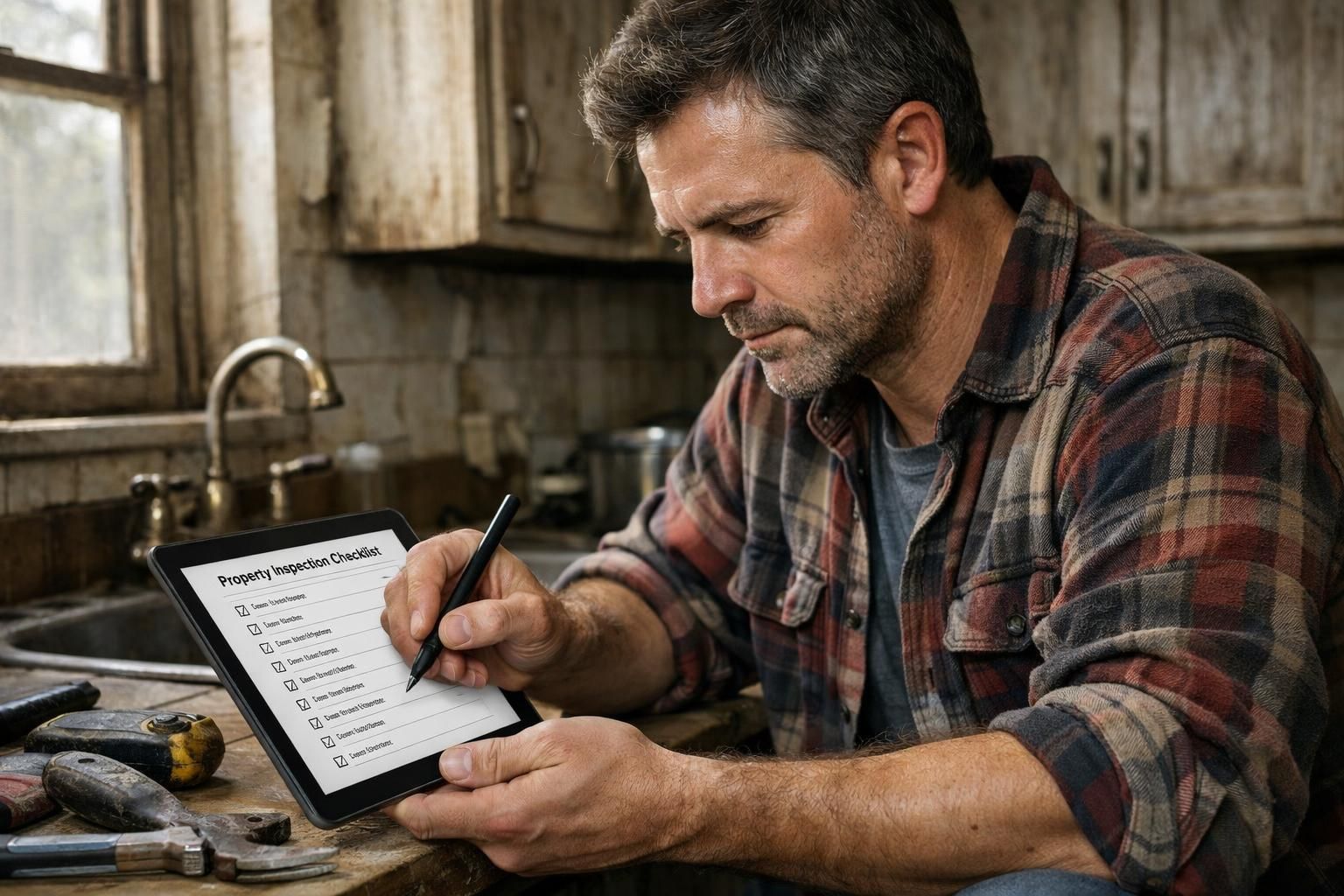
Learn how to estimate rehab costs with a detailed room-by-room breakdown, ensuring accurate budgets and avoiding costly surprises in your renovation projects.
How to Estimate Rehab Costs: Room-by-Room Breakdown
Estimating rehab costs is one of the biggest challenges you face in real estate investing. Many investors lose profit margins because they misjudge material costs, labor fees, or unexpected repairs during house flipping or managing rental property upgrades.
Understanding how to estimate rehab costs with a room-by-room breakdown helps you create an accurate renovation budget and avoid costly surprises. This guide will give you clear steps for assessing each part of your investment property, making use of tools like property inspection checklists and cost estimator platforms. 1
With years spent working as a general contractor overseeing scope of work on hundreds of properties, I know what works and what does not regarding technical analysis and repair costs.
These insights are based on real numbers from jobs involving everything from kitchen cabinets to bathroom plumbing materials like copper pipe or water heater replacements. Use this knowledge to strengthen your next cost estimate—and set up your project for success.
Continue reading to start saving both time and money. 3
Key Takeaways
- Break down rehab costs room by room. Use detailed property inspections and checklists to spot hidden repairs early. This avoids missing costly issues, like outdated wiring or mold, which can drain profits (see Section 2).
- Always get up-to-date prices for materials and labor from sources like Home Depot, Lowe’s, Remodeling Magazine’s Cost vs. Value Report 2023, and digital tools such as REI/kit or Rehab Valuator. Material costs can change quickly—lumber rose 19% between June 2021 and March 2022.
- Set a contingency budget of at least 10%-20% of your total renovation amount. Larger projects with complex repairs need even more—up to 25%. Jobs without this buffer are about 30% more likely to go over budget (Remodeling Magazine).
- Labor accounts for about 30%-50% of medium rehab project costs (National Association of Home Builders). Get three written bids from general contractors or trade specialists before hiring anyone.
- Use real examples when calculating estimates—like the $24,475 total cost for a single-family flip built in 1989—and always include permit fees, inspection charges ($500+), holding expenses ($1,200/month), and environmental upgrades (Section 8/Table). Digital platforms help track all expenses easily.
Assessing the Property's Condition
Evaluate the home's condition with a detailed property inspection to uncover hidden repair costs. Use tools like checklists and digital inspection apps for better accuracy, ensuring you create a reliable scope of work that protects your renovation budget.
Conducting a thorough property inspection
A detailed property inspection can make or break your rehab budget. You must approach each house with a clear eye for both visible and hidden problems that impact repair costs and profit margins.
- Start with the exterior, noting siding type such as vinyl siding or wood siding, roof pitch, shingle roof condition, and evidence of water damage.
- Document foundation integrity; look for cracks, shifting, or drainage issues which may require costly fixes.
- Test all doors and windows to check frames and insulation; inefficient openings raise heating and cooling expenses.
- Walk each room methodically and record every visible issue like wallboard cracks, damaged subfloors, outdated cabinetry, worn wood flooring, or stains signaling mold remediation needs.
- Inspect electrical systems for outdated knob-and-tube wiring, aluminum wires, non-metallic sheathed cable quality, proper use of conduit and correct gauge wires; code violations drain resale value.
- Examine plumbing components such as water pipes for leaks or corrosion; check plastic pipe fittings and soldered joints to spot potential failures.
- Climb into attics or crawlspaces to confirm structural framing reliability including joists, rafters, post-and-beam supports; note signs of pest infestations or rot.
- Test HVAC units for performance; inefficient systems lead to higher monthly bills in rental properties and may require full replacement during medium rehab projects.
- Investigate bathrooms for leaks near bathtubs and showers; ensure fixtures work properly plus look under sinks to spot deteriorating copper pipe connections.
- Take photos throughout the inspection process so you can create a master list of necessary repairs arranged by room in your renovation budget scope of work.
A thorough inspection brings confidence in estimating rehab costs accurately before committing capital—especially vital in house flipping or property investments seeking strong net profit margins.
Identifying necessary repairs and upgrades
Spotting repairs and upgrades early sets the tone for an accurate renovation budget. Your assessment must be methodical to avoid missing costly details.
- Conduct a property inspection with a general contractor or inspector to document all issues in each room, including worn hardwood floors, damaged drywall, and outdated wiring such as knob and tube. 1
- Create categorized lists of repairs by room to organize your scope of work for better estimating rehab costs and material pricing.
- Pay attention to structural components like post and beam framing or drainage system performance since hidden problems can raise repair costs significantly.
- Evaluate exterior materials by noting wood siding, aluminum siding, or vinyl siding conditions; these often require different repair methods and budgets.
- Test plumbing fixtures and inspect for leaks or corrosion in copper wire connections and ground wire systems for safety.
- Record any signs of HVAC malfunction or outdated systems that might inflate labor costs during upgrades.
- Investigate electrical systems by noting if porcelain insulators are faulty or if current-carrying capacity is below code requirements; replacing old electrical wire boosts property value but adds to renovation expenses.
- Examine kitchens for cabinet quality, countertop wear, dysfunctional appliances, and water damage around sinks which affects both material costs and project timeline.
- Inspect bathrooms closely for tile cracks, faulty cement board installation, leaking fixtures, insufficient thinset use under tiles, and sewer line issues.
- Assess living areas' flooring condition; worn particleboard subfloors or damaged lighting warrant immediate updates to attract renters or buyers.
- Use findings from notable projects as practice models—such as detailed assessments seen at Dulles Airport renovations or the reported Alcatraz Federal Prison cost estimate prepared by The Trumpster—to enhance your documentation technique.
- Develop a master repair list before calculating any numbers; this step helps ensure nothing falls through the cracks in house flipping projects.
Detailed inspections backed by categorized checklists form the foundation of efficient real estate investing while helping you avoid major pitfalls during rehabilitation planning.
Back to topCalculating Material Costs
Reach out to suppliers and gather current material pricing for cabinets, flooring, fixtures, and appliances. Compare costs using rehab estimator tools to ensure your renovation budget reflects real market conditions.
Researching pricing for flooring, cabinetry, and fixtures
Compare flooring, cabinetry, and fixtures across major suppliers like Home Depot, Lowe’s, and specialty distributors to gather current material costs. Builders often update their databases monthly due to price shifts caused by inflation or supply chain issues.
For example, the National Association of Home Builders reported a 19% increase in lumber prices from June 2021 through March 2022.
Assess choices such as luxury vinyl plank versus hardwood flooring; both differ greatly in price per square foot and can impact your rehab budget. Detailed analysis of market demand helps you select materials that offer strong ROI for rental property or house flipping projects.
“Material pricing varies week-to-week,” says chief operating officer Tim Young from a leading Midwest general contractor firm, “choosing wisely affects your bottom line.” Estimate quantities using floor plans so material costs align with project scope of work.
Always factor shipping fees and delivery times into your research before approving any purchase orders for construction supplies or fixtures.
Estimating costs for paint, drywall, and other supplies
Accurate estimates for paint, drywall, and similar materials help real estate investors avoid budget overruns. Start with a detailed scope of work for each room in the property. Measure surfaces to calculate square footage for walls and ceilings.
Use these figures to determine how many gallons of paint or sheets of wallboard you need. Reference resources like The Book on Estimating Rehab Costs or consult with your general contractor for current material pricing. 2
Suppliers often update prices due to market shifts, so get written quotes before finalizing rehab budgets. For example, calculating costs at $1 per square foot for drywall can give you a baseline figure; adjust it based on quality or fire-rating requirements if needed.
Many investors use digital rehab estimator tools that factor in local material pricing from sources such as Home Depot or Lowe’s. Always include joint compound and primer in your calculations since missing supplies add unexpected repair costs later.
This method works across all types of residential projects, from light rehab jobs to full-scale flips using wood siding or architectural shingles as required by the project scope.
Back to topEstimating Labor Costs
Labor costs can differ based on your market and the skill level of each tradesperson, such as a roofer or electrician. Use recent bids from local general contractors to compare rates and make sure you set a realistic renovation budget for your house flipping project.
Hiring contractors or subcontractors
Hiring the right general contractor or skilled trade partner can affect your entire rehab project. Always verify credentials and request at least three detailed quotes before selecting anyone for house flipping or real estate investment projects.
Entrepreneurs like Mike Hambright, founder of FlipNerd, often warn that unsuitable contractors increase repair costs and cause delays. Ask for references from recent clients to ensure quality.
Clear communication is critical when outlining your scope of work. Set strict timelines with payment schedules tied to completed milestones rather than upfront fees. Track progress weekly using estimator tools such as Rehab Valuator to avoid labor shortages or project overruns.
Poor supervision risks missed deadlines, leading to direct financial losses in both rental property upgrades and heavy renovation jobs involving plumbing or electrical systems.
Accounting for plumbing, electrical, and HVAC work
Creating clear sketches for plumbing, electrical, and HVAC needs helps you make precise material lists. Use the cost per fixture method when budgeting plumbing work so you avoid missing hidden expenses in your scope of work.
For example, count every sink, toilet, or water heater as one unit to improve accuracy on repair costs. Accurately measure wire runs and duct lengths before reaching out to a general contractor for bids. 3
For labor costs, compare recent pricing strategies from local tradespeople. Quick estimation tactics like square foot averages can speed up house flipping calculations but always double-check those numbers against current market rates for each rental property or rehab project.
Unpredictable items such as travel or per diem don't get included in these figures; have a contingency budget ready to absorb any surprise fees during real estate investing projects. 4
Back to topRoom-by-Room Breakdown
Evaluate each room to set clear renovation goals and prioritize spending. Use tools such as a scope of work checklist or a rehab cost calculator to help track your expenses and avoid budget overruns.
Kitchen: Cabinets, countertops, appliances
Kitchen renovations present a major part of any rehab project, often delivering the best return on investment. You must estimate costs with precision, using current material pricing and labor rates.
- Cabinets: Request multiple quotes for cabinet replacement or refacing from licensed contractors. Compare off-the-shelf cabinets from retailers like Home Depot with custom options to match your project’s renovation budget and target market demand.
- Countertops: Research slab prices for popular choices such as granite, quartz, or laminate. Material costs can range from $40 to $100 per square foot based on quality and finish. Select types that align with local buyer preferences to avoid over-improving for your market.
- Appliances: Source competitive appliance packages including refrigerator, stove, and dishwasher, focusing on energy-efficient models favored in most real estate investing scenarios. Appliance packages typically cost between $2,000 and $6,000 based on brand and features.
- Labor Costs: Incorporate up-to-date data from regional construction organizations; national averages for full kitchen installation hover between $3,500 and $8,000 according to Remodeling Magazine’s Cost vs. Value Report 2023.
- Repairs & Upgrades: Account for both functional repairs—such as fixing leaks or updating electrical lines—and cosmetic upgrades like modern lighting or new paint finishes.
- Scope of Work: Outline your project scope in detail before work begins to prevent scope creep that erodes profitability during house flipping.
- Market Research: Regularly consult comparables in your area to ensure design choices do not exceed what buyers expect in similar rental properties or flip projects.
- General Contractor Oversight: Choose a general contractor with proven expertise in kitchen rehabs who follows building codes and manages subcontractors efficiently throughout all phases of the renovation.
- Contingency Budget: Allocate at least 10 percent over your total estimated repair costs to cover unexpected expenses such as hidden water damage behind old wood siding or code compliance issues discovered during demolition.
- Digital Tools: Use rehab estimator tools such as REI/kit or PropertyREHAB software for accurate cost modeling using real-time material and labor data.
You can control expenses while improving appeal by focusing rehab costs where they provide the highest perceived value in each property’s kitchen space.
Bathroom: Fixtures, tiles, plumbing
Accurately estimating bathroom rehab costs can directly impact your renovation budget. Real estate investors and agents should focus on material pricing, labor costs, and the scope of work to control expenses.
- Evaluate existing bathroom fixtures to decide what needs replacement or repair. This includes sinks, toilets, tubs, and showerheads. Use the cost per fixture method for plumbing work as recommended by general contractors.
- Measure the bathroom space precisely before purchasing tiles or flooring materials. Accurate takeoffs help prevent overbuying or underestimating material costs.
- Research current market prices for vanities, faucets, lighting, and other essential fixtures. Material pricing often fluctuates due to supply chain demands in the real estate investing sector.
- Calculate tile installation costs based on square footage and tile type. Higher-quality stone tiles command a premium price but may yield better returns in high-end rental properties.
- Include all necessary plumbing repairs within the estimate using a licensed plumber’s quote per fixture rather than an hourly rate; this offers greater clarity and accountability during house flipping projects.
- Balance upgrade choices to fit both the scope of work and expected property value gains; over-improving a bathroom can erode your financial freedom goals as an entrepreneurial investor.
- Identify potential hidden problems such as water damage behind old vinyl siding or outdated shutoff valves under sinks that can inflate final repair costs unexpectedly.
- Avoid common mistakes like ignoring local building codes or skipping a thorough property inspection prior to demolition; these omissions can jeopardize compliance and increase total rehab costs.
- Consult digital rehab estimator tools from trusted industry platforms to cross-check material and labor figures before committing funds; reputable calculators update their data frequently with recent material costs from 2023-2024.
Work with reliable subcontractors who specialize in bathrooms to maintain quality controls throughout each stage of renovation. This practical approach ensures you meet both investor objectives and long-term operational efficiency for any rental property upgrade or house flip involving bathroom remodels.
Living Areas: Flooring, paint, lighting
Living areas create the first impression for buyers and renters. Upgrades in flooring, paint, and lighting can increase appeal and property value.
- Flooring often represents one of the largest line items in living area rehab costs. Calculate material needs by measuring square footage precisely using a laser measure or a mobile app like RoomScan Pro. Material pricing varies widely; vinyl plank may cost $2 to $5 per square foot installed, while wood flooring can reach $8 to $14 per square foot according to HomeAdvisor's 2023 data.
- Paint impacts both the perception of cleanliness and brightness in your house flipping or rental property. You should estimate one gallon of paint per 350 square feet of wall space, factoring in ceilings if needed. High-quality paint from brands like Benjamin Moore or Sherwin-Williams may cost between $35 and $60 per gallon as reported by consumer surveys.
- Lighting upgrades offer a high return on investment due to their effect on mood and energy efficiency. Count existing fixtures in living areas including recessed lights, sconces, and ceiling fans; costs vary from $40 for basic LED fixtures up to $200 or more for designer-grade options from trusted suppliers such as Lithonia Lighting or Kichler.
- Labor costs multiply quickly if you hire general contractors versus subcontractors for each trade such as painting or flooring installation; the National Association of Home Builders reports labor accounts for 30% to 50% of total repair costs in medium rehab projects.
- Proper lighting choices can reduce long-term utility bills through Energy Star-rated bulbs and smart switches, aligning with sustainability trends in real estate investing noted by the U.S. Green Building Council.
- Add at least 10% over base estimates for each line item as part of your contingency budget to address unexpected issues during renovation such as hidden subfloor repairs or outdated wiring behind old fixtures.
- Failing to tally every fixture or underestimating material waste leads many investors off budget; always round up quantities when ordering supplies for light rehab jobs based on manufacturer recommendations.
- Use digital tools like Buildium’s Scope of Work templates or FlipperForce’s Rehab Estimator software to track repair costs and compare material pricing instantly across vendors before purchasing supplies.
- Improvements made throughout living areas also affect appraised value more than nearly any other single upgrade according to Freddie Mac’s research published December 2023; this applies directly whether your goal is flipping houses or long-term rental property income.
- Engage with local suppliers for custom quotes on vinyl siding materials if upgrading adjacent hallways that connect living zones; prices can shift depending on region due to transportation fees reported by the National Roofing Contractors Association regarding hip roof renovations paired with cosmetic updates indoors.
Strategically upgrading living spaces positions your project ahead in a competitive market while controlling estimating rehab costs within your renovation budget requirements.
Back to topAdding a Contingency Budget
Set aside 10% to 20% of your total renovation budget for a contingency fund. On larger house flipping projects, increase this reserve up to 25%, especially if the property inspection shows signs of complex repairs such as outdated electrical systems or drainage issues.
For example, experts from Remodeling Magazine state that jobs without a contingency budget are about 30% more likely to run over cost, affecting expected profits and timelines. 5
Unexpected rehab costs often include furnace failures, mold remediation, or hidden leaks behind vinyl siding and wood siding. Planning mistakes with your scope of work can result in an extra 5% added to repair costs.
Communicate openly with contractors and your general contractor about how you will allocate these funds. Engage reliable lenders early so you have financial flexibility during real estate investing renovations if surprises arise.
Back to topCommon Mistakes to Avoid
Cost overruns can undermine your real estate investing goals. Avoid these common mistakes to protect your renovation budget and maximize project returns.
- Overlooking a thorough property inspection increases the risk of missing hidden repair costs, like outdated wiring or plumbing failures, which can drain profits on rental property projects.
- Underestimating labor costs leads to surprise expenses; general contractors often charge extra for scope of work changes that were not addressed early. 6
- Ignoring necessary permits results in fines and stalled timelines; always verify local regulations before you start any significant electrical, plumbing, or structural repairs.
- Over-improving beyond market demand makes it harder to sell or rent properties at a profit; focus upgrades such as vinyl siding or wood siding on features proven to boost after-repair value (ARV) in your target area.
- Hiring unqualified contractors exposes you to poor workmanship and delays; verify credentials and request detailed bids for each part of the job.
- Relying on rough estimates instead of current material pricing reduces budget accuracy; research latest costs for flooring, cabinetry, fixtures, paint, drywall, and other supplies using trusted rehab estimator tools like Wired Consulting or Weld Analytics.
- Failing to add a 10% to 20% contingency budget leaves you vulnerable to cost overruns from unexpected issues such as mold behind drywall or structural repairs missed during inspection.
- Misjudging ARV by skipping analysis of comparable sales data causes financial miscalculations; review recent transactions through platforms like MLS or local records before finalizing investment decisions.
- Poor project management without a clear schedule creates unnecessary delays and higher holding costs; track contractor progress weekly and adjust plans as needed for efficiency throughout the house flipping process.
- Neglecting environmental and community impact lowers resale appeal and may lead to compliance trouble; choose sustainable materials where possible and consider neighborhood context when planning upgrades.
Each mistake weakens your control over estimating rehab costs in real estate investing projects. Use detailed planning, expert input, accurate data sources, and reliable tools for better outcomes every time.
Back to topExamples of Rehab Cost Calculations
Concrete examples provide clarity for estimating rehab costs. The table below showcases typical calculations across various property types and project scopes for real estate professionals and investors. Each scenario incorporates standard valuation rules, material and labor estimates, and essential factors such as contingency and holding costs. 7
| Scenario | Scope of Work | Material Costs | Labor Costs | Contingency (10%) | Total Estimated Cost | Key Considerations |
|---|---|---|---|---|---|---|
| Single-Family Flip (Built 1989, 1,800 sq ft) |
|
$12,200 |
$10,050 | $2,225 | $24,475 |
|
| Multifamily Rental Turnover (Triplex, Built 1972, 3,600 sq ft) |
|
$34,100 |
$15,300 | $4,940 | $54,340 |
|
| Major Structural Rehab (Duplex, Built 1955, 2,400 sq ft) |
|
$27,800 |
$21,900 | $4,970 | $54,670 |
|
Tips for Staying Within Budget
Keeping a renovation budget under control demands focus and method. Use precise strategies to ensure your rehab costs do not spiral out of control.
- Inspect the property yourself or hire a certified inspector to catch hidden repair costs and verify property condition early.
- Set a realistic renovation budget using historical data from past house flipping projects so you can avoid underestimating material costs.
- Get detailed written bids from multiple general contractors; compare scope of work, labor costs, and timelines before making a commitment.
- Confirm all material pricing for flooring, paint, drywall, fixtures, wood siding or vinyl siding with local suppliers to avoid price surprises.
- Track actual spending weekly against your planned numbers using simple project management tools such as spreadsheets or apps like Rehab Estimator Pro.
- Hold regular onsite meetings with contractors; clear communication helps prevent unauthorized changes that inflate labor costs.
- Allocate at least 10% of your renovation budget to a contingency fund in case unexpected repairs arise during construction.
- Review every invoice line by line to spot mistakes or duplicate charges before approving payment.
- Review financial terms with lenders like Lima One Capital in advance; flexible financing options may provide breathing room on larger rental property rehabs.
- Study completed projects for trends; analyzing previous successes and failures will sharpen future estimating skills and strengthen entrepreneurship tactics in real estate investing.
Utilizing Rehab Estimator Tools
Rehab estimator tools, such as the REI/kit property rehab cost estimator, help you generate accurate repair costs using up-to-date construction data. 8 These digital solutions let you build a detailed renovation budget for every rental property or house flipping project without needing to rely on a general contractor.
Always evaluate each property's unique repair needs rather than relying on price per square foot averages.
You can sort expenses into 25 categories, making it easier to track material pricing and labor costs across your entire scope of work. Experts recommend adding a contingency fund of 5% to 25% of total estimated rehab costs in case surprise repairs arise.
Using these platforms streamlines estimating rehab costs and gives investors confidence in planning light rehab jobs or identifying the financial impact of wood siding versus vinyl siding upgrades.
Back to topConclusion
Estimating rehab costs room by room helps you avoid budget surprises. If you use a property inspection and reliable cost estimator tools, your numbers become more accurate. Always add a contingency budget for unexpected repairs.
Proper planning lets real estate investors control expenses and protect profit margins. Start each project with thorough checks and clear communication with your general contractor to keep your renovation on track.
Back to topFAQs
1. What steps should I take to estimate rehab costs for a rental property?
Begin with a thorough property inspection to assess the current property condition. Define your scope of work, then calculate material costs and labor costs for each room. Consult a general contractor if needed.
2. How do I create an accurate renovation budget for house flipping projects?
List every repair or upgrade by room, including vinyl siding or wood siding when relevant. Use recent prices for materials and labor in your area. Add a contingency budget to cover unexpected expenses that may arise during real estate investing.
3. Why is it important to understand both material and labor costs in estimating rehab costs?
Material costs can vary based on quality and market trends; labor rates differ by region and project complexity. Knowing both helps you avoid underestimating total expenses, which protects your investment whether you plan light rehab or full renovation.
4. Can hiring a general contractor help control rehab spending?
A skilled general contractor provides expertise in cost estimation, sources reliable vendors, and manages workflow across all rooms of the home. This oversight reduces costly mistakes during renovations tied to house flipping or rental properties.
5. What role does environmental impact play when selecting materials like vinyl siding versus wood siding?
Vinyl siding often offers lower upfront material costs but raises questions about long-term sustainability due to its composition; wood siding has higher initial expenses yet is seen as more environmentally friendly if sourced responsibly. Both choices affect not only the renovation budget but also broader societal concerns regarding resource use within real estate investing circles.
References
- ^ https://www.biggerpockets.com/blog/how-to-estimate-rehab-costs
- ^ https://www.amazon.com/estimate-rehab-costs/s?k=estimate+rehab+costs
- ^ https://www.academia.edu/35794951/ESTIMATING_PLUMBING_HEATING_VENTILATING_AND_AIR_CONDITIONING_HVAC_AND_ELECTRICAL_WORK
- ^ https://dokumen.pub/estimating-building-costs-for-the-residential-and-light-commercial-construction-professional-3nbsped-1394150113-9781394150113.html
- ^ https://www.invstg.com/add-a-contingency-to-your-rehab-budget/ (2025-03-27)
- ^ https://www.reedyandcompany.com/blog/6-mistakes-that-kill-real-estate-rehab-roi-and-how-to-avoid-them/ (2025-10-17)
- ^ https://callporter.com/blog/estimating-rehab-costs/ (2023-01-31)
- ^ https://www.reikit.com/house-flipping-guide/how-to-estimate-rehab-construction-costs