

Learn how to analyze comps like an appraiser and boost your real estate success. Master market value with expert tips for accurate property valuations.
Table of Contents
- Understanding Comparable Sales (Comps): The Foundation of Market Analysis
- Step-by-Step Guide to Analyzing Comps Like an Appraiser
- Define the Subject Property
- Gather Recent Comparable Sales
- Adjust for Major Differences
- Analyze Market Trends and Timing
- Arrive at an Adjusted Valuation Range
- Real-World Example: Analyzing Comps in Practice
- Tools and Resources to Streamline Your Comp Analysis
- Common Mistakes to Avoid When Analyzing Comps
- Conclusion: Mastering Comp Analysis for Smarter Real Estate Decisions
- FAQs
How to Analyze Comps Like an Appraiser
Determining the right price for a property often leads to confusion, even among experienced real estate professionals. Many investors and agents still underestimate how critical it is to understand market value by using comparative market analysis—a step that can make or break buying, selling, or investing decisions. Inaccurate valuations cost time and money. By mastering how to analyze comps like an appraiser—using data from sources such as Multiple Listing Service (MLS) reports and public sales records—you gain a sharp edge in any housing market. 1
Decades spent working with real estate brokers, commercial investors, and valuation tools have shown me one essential truth: effective comp analysis is not guesswork—it’s a process grounded in facts and consistency. You will learn specific steps trusted by certified appraisers: defining subject properties, selecting true comparable sales, making proper adjustments based on square footage or amenities using spreadsheet checklists or automated software models. Accurate valuation transforms negotiations into opportunities rather than risks. Discover how systematic comp analysis can unlock smarter deals today.
Key Takeaways
- Accurate comp analysis uses recent sales data, preferably from the last 36 months, sourced from reliable places like MLS, public records, and platforms such as Zillow or Redfin. Always prioritize properties in the same neighborhood with similar size, age, and features to ensure better valuation.
- Adjust comparable sales by documenting key differences—like square footage or upgrades—with real market-based values (for example: add $10,000 for a finished basement). Use supporting evidence and local contractor estimates rather than guesses. Experts like Julia Martinez (Keller Williams) warn not to apply uniform adjustments across different areas.
- Automated Valuation Models (AVMs), such as Redfin Estimate or Zillow Zestimate, offer fast calculations but may miss unique property features or rapid market changes; combine AVM results with manual checks for accuracy.
- Common mistakes to avoid include using outdated data (older than 36 months), ignoring custom amenities such as solar panels added in 2022, over- or under-adjusting values without proof from current trends or public sources, and relying solely on one dataset. Cross-check your findings through multiple sources for reliability.
- Systematic steps—inspect subject property details with tools like GIS mapping; select matching comps; make careful adjustments; analyze recent market cycles; use mean/median of adjusted values—allow agents and investors to set fair prices based on proven appraisal standards cited by BOMA International and experts including Lisa Gomez and Emily Schaefer.
Brief overview of comps and their significance for accurate property valuation.
Comparable sales, known as comps, shape the foundation of every property valuation in real estate. You rely on comps to measure market value because they reflect actual sale prices for properties with similar characteristics like location, square footage, age, and features.
For instance, MLS data from The Woodlands in Alden Bridge subdivision shows that homes with matching layouts and amenities drive reliable benchmarks. Recent sales within the last 36 months deliver the strongest comparability.
You use this method whether preparing a Comparative Market Analysis (CMA), working through an appraisal, or building out financial modeling for investment banking strategies such as discounted cash flow analysis or comparable company analysis (CCA).
Adjustments for differences such as renovations or extra space ensure accuracy beyond simple price-per-square-foot comparisons. Professional platforms like Capital IQ support these evaluations by offering robust financial metrics including enterprise value and equity value alongside revenue growth statistics.
This approach lets you pinpoint fair market value while supporting smarter decisions for clients or personal portfolios.
Importance for buyers, sellers, investors, and agents.
Accurate comp analysis drives every property decision for buyers, sellers, investors, and agents. You gain leverage in negotiations by knowing the true market value from reliable sources like MLS data and public records.
Buyers avoid overpaying while sellers set competitive listing prices grounded in real-time sales comps and price per square foot metrics. Investors use detailed financial modeling to assess enterprise value, net operating income (NOI), or capitalization rates before adding assets to their portfolios.
Agents guide clients with confidence using CMA reports and valuation methodologies preferred by appraisers such as comparable company analysis or discounted cash flow (DCF) models.
Mistakes, like relying on outdated or distant sales data, can distort property valuations and undermine trust during transactions. Meticulous documentation of adjustments builds credibility with lenders, parties involved in commercial real estate investing, or regulators referencing Building Owners and Managers Association International guidelines.
Practice systematic steps to refine your approach; analyze key features including location, condition, tenant mix for class A or class B properties using spreadsheet templates built around trading comps and peer group benchmarks.
This discipline ensures all stakeholders maximize ROI across shifting market trends in areas like The Woodlands TX or growing tech hubs tracked by entities like Nasdaq.
Back to topUnderstanding Comparable Sales (Comps): The Foundation of Market Analysis
Understanding comparable sales, or real estate comps, helps you estimate property value using recent MLS and public records; review key data points so you can make smarter investment decisions—read the full guide for a step-by-step approach.
What makes a property “comparable”
A property counts as “comparable” if it shares essential characteristics with your subject. Focus on location first; properties within the same neighborhood or market area offer the most reliable real estate comps for accurate property valuation.
Match size, age, and overall condition closely to reduce the need for heavy adjustments in your comp analysis.
Appraisers also weigh features like lot size, garage type, finished basements, and upgrades such as renovated kitchens. Only use recently sold comparable sales from the past 36 months to reflect current market trends and financial metrics like price per square foot (ppsf).
Use data sources such as MLS, public records, and services like Zillow or BOMA reports for credible commercial real estate comps. Always adjust for differences so you ensure a fair comparison between properties before finalizing implied value or valuation multiples in your assessment.
Key factors appraisers consider: location, size, age, condition, features
Location shapes value in every property valuation. Properties near major cities, top school districts, or business hubs like The Woodlands, TX command higher prices. MLS and public records consistently show that buyers pay premiums for sought-after neighborhoods and commercial zones.
Square footage is another primary metric; appraisers analyze total living space but factor in usable versus non-usable areas for both residential and commercial properties.
Age highlights potential for repairs or updates, influencing adjustments in financial modeling. Newly built class A buildings often trade at higher multiples compared to older class C assets due to lower operating expenses and modern amenities.
Condition carries equal weight; well-maintained homes with updated roofs, HVAC systems, or renovated kitchens require fewer negative adjustments on a comparable company analysis (CCA).
Features such as the number of bedrooms, bathrooms, parking spaces, smart home technology, or solar panels can increase enterprise value (EV). Investors should check recent sales of properties with similar upgrades using data from sources like BOMA standards and market capitalization reports before setting price expectations.
Always adjust each comp to reflect these characteristics for an accurate equity value estimate.
Where to find reliable comp data
You can find reliable comp data using the Multiple Listing Service (MLS), online databases, and public records. MLS remains the gold standard for property comparables, especially for real estate agents and appraisers who need up-to-date details on similar properties.
Online platforms like Zillow or Redfin provide recent sales, market trends, and financial metrics essential for accurate commercial property valuation.
HubSpot offers downloadable competitive analysis templates to organize your real estate comps efficiently; these resources require you to submit contact information before access. Explore business-focused tools like spreadsheet templates that support detailed comparable company analysis (CCA) and financial modeling tasks such as discounted cash flow (DCF) analysis or operating expense ratios.
For investors evaluating enterprise value or equity value in asset-heavy sectors like class A properties or industrial portfolios owned by Steel Dynamics, incorporating net income data from public comps helps refine your valuation methodology.
Accessing comprehensive databases supports smarter decision-making in both private equity research and investment banking fields, particularly when examining cap rates or lease comps across diverse markets.
[In-depth guide: Real Estate Comp Analysis](https://www.kdsdevelopment.net/articles/real-estate-comp-analysis)
The [in-depth guide to Real Estate Comp Analysis](https://www.kdsdevelopment.net/articles/real-estate-comp-analysis) outlines a clear and structured process for evaluating comparable property sales.
As a real estate professional or investor, you must focus on comps that closed within the past 36 months to capture current market trends. 1 The guide emphasizes major factors like location, size, age, condition, and specific features.
These elements directly impact both enterprise value (ev) and equity value during your valuation methodology.
Advanced tools such as Automated Valuation Models (AVMs), artificial intelligence platforms, public records databases, and Multiple Listing Service (MLS) sources play vital roles in gathering data points for effective financial modeling.
Real estate appraisers recommend careful adjustments to account for differences in property characteristics among comparable properties. Complex or volatile markets require extra diligence; class C properties or unique assets may need additional research beyond basic comp sets.
For actionable analysis, the guide suggests combining quantitative metrics like EV / EBITDA ratios with qualitative observations about revenue growth and neighborhood changes. This approach helps protect your valuation from biased data while grounding investment decisions in reliable financial metrics recognized across business valuation standards including those followed by entities such as BOMA International and top corporate development teams at Microsoft. 1
Back to topStep-by-Step Guide to Analyzing Comps Like an Appraiser
Start with a full review of the subject property. Inspect and record details about its location, size, age, condition, and unique traits. Use tools like GIS mapping software or automated valuation models to ensure you document all features accurately.
Gather recent sales data from MLS systems, online databases, or public records for similar properties sold within 36 months nearby. Focus on comps with closely matched square footage and amenities such as bed and bath counts.
Adjust each comp for differences in characteristics using market-based value estimates. For example, add value if the subject has an extra bathroom or superior upgrades; subtract if it is older or lacks key features present in other homes.
Document each rationale clearly so investors can trace your calculation logic. Analyze current market trends by reviewing cycles of expansion and contraction along with external drivers like revenue growth rates or changes signaled by investment banking analysts including Janet Yellen’s insights on equity value movement.
Arrive at a valuation range using mean or median values from adjusted comps; prefer median to avoid skewed results by outliers in the set, as suggested by best practices used across the Building Owners and Managers Association International (BOMA). 2 Present findings through clear reports bolstered by concise supporting data points derived from reliable sources such as BIWS Core Financial Modeling templates and real estate comp analysis articles authored by experts like Justin Estes and Tim Vipond. 3 Apply these steps to deliver precise enterprise value assessments that meet professional standards for real estate investors seeking robust business valuation strategies based on comparable company analysis principles.
Back to topDefine the Subject Property
Conduct a thorough inspection of the subject property, using GIS mapping and AVMs to help verify data. Record precise details on location, square footage, lot dimensions, year built, and current condition.
Include all distinguishing features such as recent renovations, smart home systems, or energy-efficient upgrades; these can significantly impact enterprise value in property valuation.
Document each feature carefully to ensure that your financial modeling remains accurate. Confirm zoning restrictions or unique site characteristics by cross-referencing public records and online databases.
Accurate documentation forms the foundation for comparable company analysis (CCA), supporting sound investment decisions for real estate professionals and investors alike.
Back to topGather Recent Comparable Sales
Search for recently sold properties in the same or similar neighborhoods from the past 36 months. Use the Multiple Listing Service, online public records, and property databases to collect accurate data.
Ensure every sale is an arm’s length transaction to avoid distorted values.
Select comps with matching square footage, number of bedrooms and bathrooms, and amenities that mirror your subject property. Give greater weight to homes within a half-mile radius when possible.
This targeted approach improves property valuation accuracy for investment banking analysis or financial modeling tasks involving real estate comps or comparable company analysis (CCA).
Always confirm sources before running equity value calculations or comparing enterprise value (EV), ebitda margins, or other key metrics tied to market capitalization and current trends.
Back to topAdjust for Major Differences
You must adjust for major differences between the subject property and each comparable property. Analyze aspects such as size, year built, location, and unique features with precision.
For example, if your subject home has 2,200 square feet while a comp lists at 2,000 square feet, calculate the value per foot from recent sales reports or MLS data and apply that difference to your valuation.
Adjustments should reflect local market-based estimates rather than arbitrary numbers. Use figures backed by current public records, trustworthy databases like CoreLogic or Redfin, or verified sales reports.
Support every adjustment with clear reasoning and documented calculation methods in your analysis worksheet or financial modeling tool. Note why you attributed $50 per added square foot to finished basements based on multiple recent comps reviewed by professional appraisers this past quarter.
If one comp boasts an updated kitchen but yours does not, subtract its estimated upgrade cost using reliable contractor bids drawn from area norms. Always explain adjustments thoroughly so other investors and stakeholders can verify how net debt levels or operating margins affect enterprise value (EV) versus equity value projections during business valuation tasks tied to real estate comps review.
Industry experts underscore that “one dollar of difference in feature costs is not always equal across neighborhoods,” said Julia Martinez of Keller Williams Realty in May 2023.
Document local trends influencing premium values for energy-efficient upgrades; these might weigh more heavily in markets tracking strong revenue growth among green housing sectors according to LTM data sets provided by Freddie Mac Research last December.
Precise documentation helps avoid over- or under-adjusting comparable properties during analysis workflows common among investment banking professionals utilizing both discounted cash flow (DCF) analysis and p/e ratios alongside traditional appraisal methodology when performing thorough comparative company analysis within real estate asset reviews today.
Back to topAnalyze Market Trends and Timing
Study market cycles in your area. Expansion, peak, contraction, and trough phases each show different pricing trends for real estate comps. 4 Pay close attention to recent months’ sales and listings data from MLS or public records to catch shifts in demand and supply.
This approach helps you avoid overpricing during a contraction or underpricing at a market peak.
Watch out for capital-based influences like interest rate hikes by the Federal Reserve or fundamental factors such as job growth reports and local business expansion. Signs of bubble markets include sharp spikes in share price, revenue growth rates far above the average, or unsustainable p/e multiples compared to long-term norms.
Compare these patterns using key financial metrics from comparable company analysis (CCA) alongside property valuation methods like discounted cash flow (DCF) analysis. Adjust your comp valuations based on this evidence so you reflect true market conditions rather than outdated figures.
Back to topArrive at an Adjusted Valuation Range
Calculate an adjusted value for each comparable property after you finish your documented adjustments. Use objective financial metrics such as EBIT, net debt, and revenue growth to support changes in value, especially if you are handling investment properties or commercial assets.
Gather these adjusted values into a clear spreadsheet or database.
Establish a valuation range for the subject property using either the mean or median of your set of adjusted comps. Prefer the median because it minimizes distortion from outliers that can skew results—a key best practice used in real estate data analysis and enterprise value calculation.
Present your findings with comprehensive supporting data and detailed documentation to reinforce credibility. This approach helps investors and agents make informed property valuation decisions using tools like AVMs, MLS records, or public datasets.
Back to topReal-World Example: Analyzing Comps in Practice
A real estate agent reviews comparable properties using the MLS and public records, applying precise adjustments for differences in features and condition. You can use this method alongside spreadsheet tools to determine an accurate property valuation that supports confident investment decisions.
Sample property scenario
Consider a three-bedroom home at 123 Oak Street in the Greenfield neighborhood. The property measures 1,800 square feet and was built in 2008. It features an updated kitchen with energy-efficient appliances and solar panels installed in 2022.
Recent landscaping improvements add curb appeal, while its proximity to local schools increases desirability for families focused on community impact.
To analyze comps like an appraiser, select three to five comparable sales from within Greenfield that closed between January 2022 and December 2023. Focus on homes built between 2005 and 2010 with similar lot sizes and modern upgrades such as smart thermostats or eco-friendly windows.
Use MLS data for verified closing prices, public records for square footage accuracy, and online valuation models for cross-referencing enterprise value against current market trends.
Adjust comp values if another property lacks the subject’s solar panels or commands a higher price due to extensive renovations beyond basic updates. This method ensures your valuation reflects current financial metrics recognized in investment banking such as equity value calculations tied directly to tangible property characteristics rather than speculative factors alone.
Walkthrough of each step with data, adjustments, and analysis
Start by listing all property characteristics for your subject. Enter data on size, age, condition, location, and unique features into a spreadsheet template. Select three to five comparable properties with minimal differences from recent sales in the same market area.
Input these comps alongside source details such as MLS numbers or public record IDs.
Apply dollar adjustments for any measurable difference between your property and each comp. For example, assign $10,000 for a finished basement if present in one but not the other.
Adjust for amenities like pools or garage spaces based on local market trends and buyer demand during the last twelve months (LTM). Use clear calculations rather than estimates to reduce bias.
After adjusting each comp’s sale price using figures rooted in reliable data sources, calculate an adjusted valuation range. Document every adjustment step within your financial modeling worksheet to show transparency for investors or clients seeking clarity in your business valuation process.
This systematic approach supports more accurate property valuation decisions grounded in solid real estate comps analysis methodology used by professional appraisers and enterprise value experts alike.
Back to topTools and Resources to Streamline Your Comp Analysis
You can use the Multiple Listing Service and public records to find property data fast. Leverage automated valuation platforms and spreadsheet tools to compare real estate comps with precision.
MLS, online databases, public records
MLS offers you the most comprehensive source for real estate comps and current listings. Use its advanced filters to target properties by location, square footage, year built, and features.
Online databases add value with analytics on neighborhood trends and historical market activity. Resources such as Zillow or Redfin can show changes in property valuation methodology using automated valuation models (AVMs).
Rely on public records to confirm transaction prices, ownership history, and property tax data before making any final analysis. Access county clerk websites or local recorder offices for official documents that verify sales used in your comp analysis.
HubSpot provides a competitive analysis template available in Excel, Word, or PDF formats; these templates help organize key financial metrics like equity value and net debt across multiple comparable properties.
Always validate all data for accuracy to avoid errors in your enterprise value calculations.
Automated valuation models (AVMs) and their limitations
Automated valuation models, or AVMs, use large data sets and advanced algorithms to estimate property values in seconds. Tools like Redfin Estimate and Zillow Zestimate pull from market capitalization figures, property characteristics, net debt information, MLS entries, public records, and recent real estate comps.
These platforms can help you screen properties quickly while flagging potential outliers for deeper review during your comp analysis process.
Yet even top-tier AVMs have important limits. They may overlook key factors such as unique home upgrades or hidden defects that affect enterprise value or financial metrics. For example, a house with new solar panels often receives the same equity value score as nearby homes without them if the upgrade is not recorded in public databases.
Markets changing rapidly—such as Miami during early 2024—can also expose gaps in AVM accuracy since their algorithms depend on last twelve months (LTM) trends rather than live data feeds.
You should always pair an AVM’s suggested price with local knowledge and manual adjustment before making any investment banking decisions based on comparable company analysis or discounted cash flow methods.
Use spreadsheet templates to document where an AVM falls short so you can justify your final valuation methodology to clients or partners.
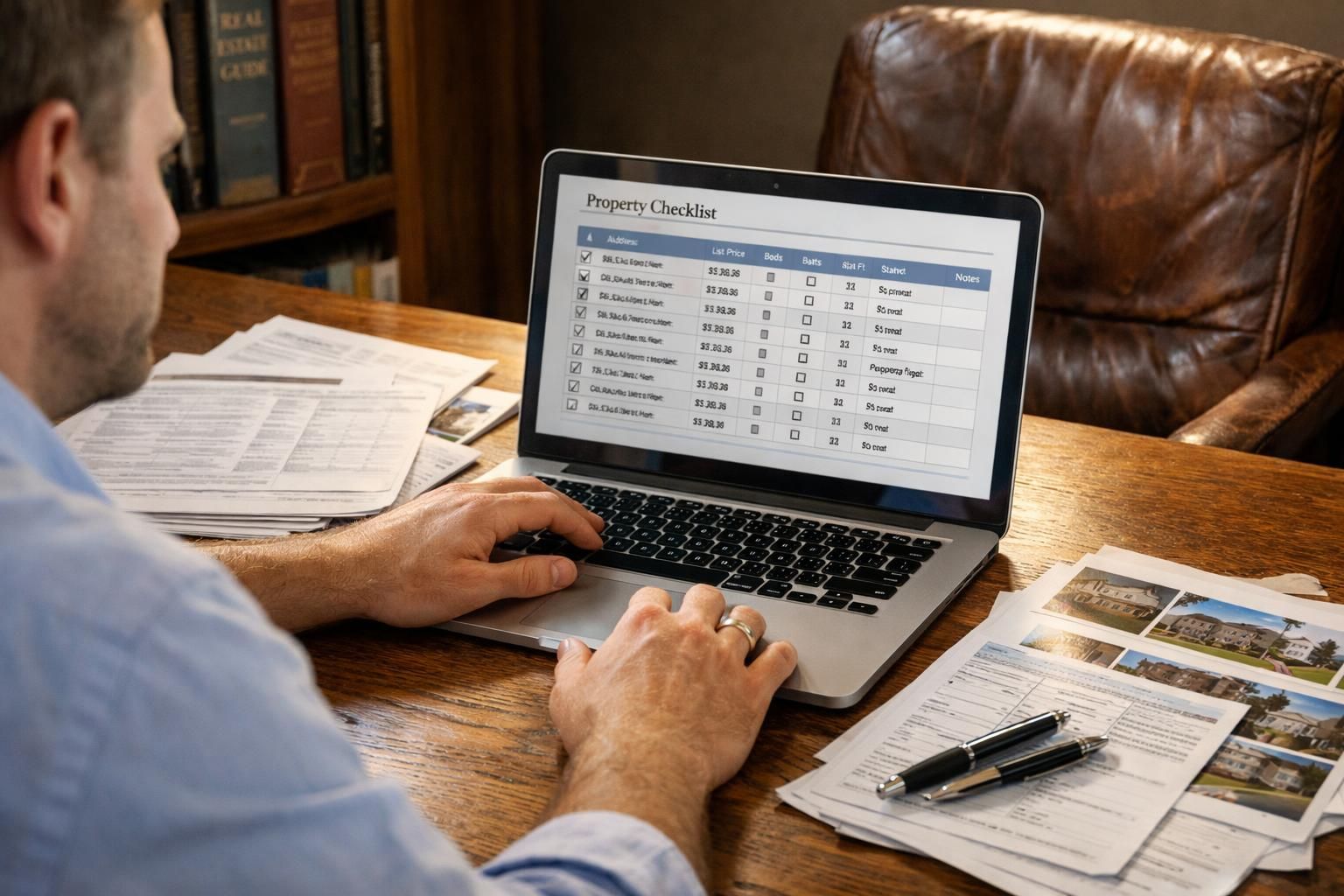
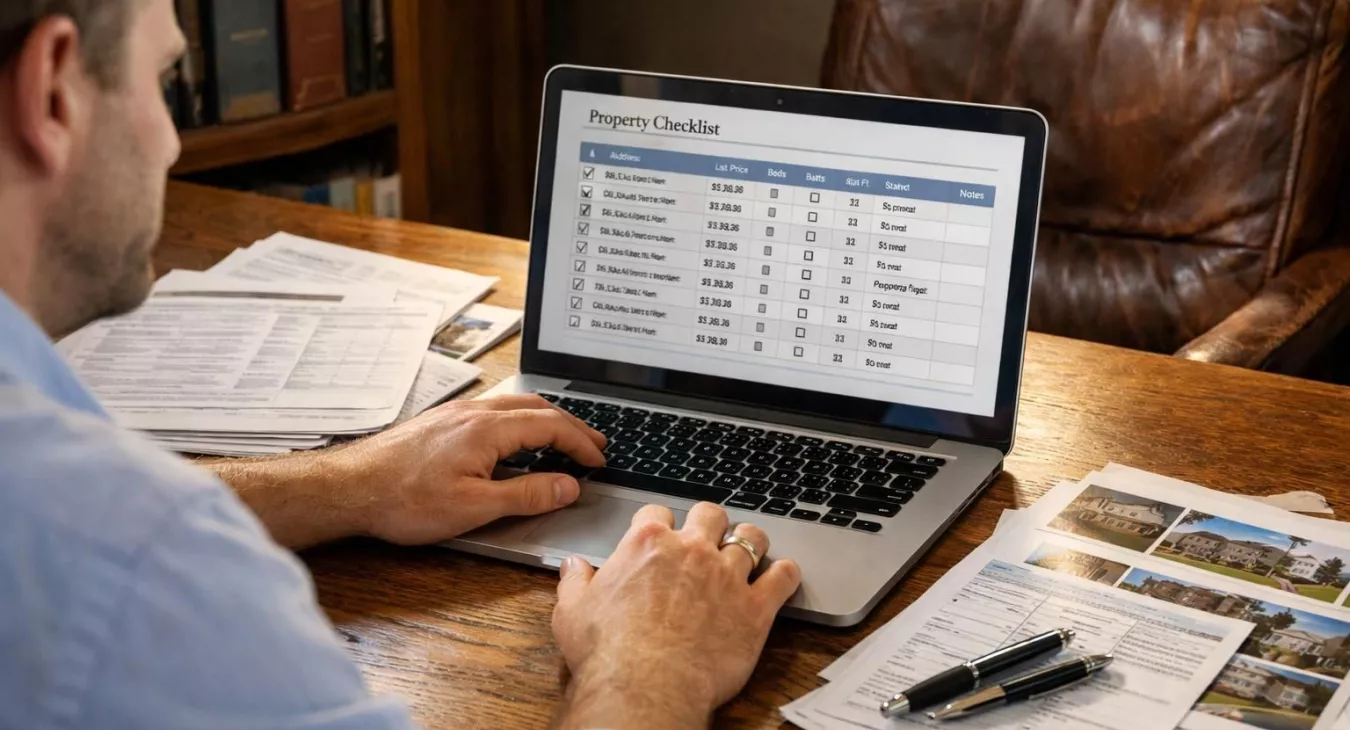
Spreadsheet templates and checklist
Spreadsheet templates offer you a precise structure for your comparable company analysis and property valuation work. Downloadable tools let you track key details such as competitor names, transaction dates, location, square footage, year built, market trends, and sale prices. 5 These templates guide you to input net debt numbers or last twelve months (ltm) revenue figures when comparing properties or companies. You also have space to note adjustments for variables like property characteristics or unique features.
Checklists ensure no major financial metric or data point gets overlooked during business valuation efforts. Many resources require only basic contact information before access and come pre-built with fields for equity value calculations and p / e ratios. 5 A growing number of sites now offer free options online, allowing you to filter comps by area or property age in seconds for more accurate enterprise value estimates. Investors use these practical tools daily to save time while improving the reliability of both real estate comps and broader investment banking analyses.
Back to topCommon Mistakes to Avoid When Analyzing Comps
Overlooking key data from MLS or public records can distort your property valuation, so review each real estate comp with precise attention to property characteristics and recent market trends to maintain accuracy—explore expert guidance for sharper analysis.
Using outdated or distant sales
Relying on sales older than 36 months or comps from outside the immediate area can give you misleading results. Market trends shift quickly, so outdated data may not capture recent changes in pricing, inventory, revenue growth, or buyer demand.
For instance, using a property sale from three years ago in a different neighborhood might overlook new developments or shifts in local economic factors that affect enterprise value and real estate comps.
MLS platforms and public records provide access to recent transactions within the subject property's vicinity. Automated valuation models often flag distant sales as unreliable for financial modeling or discounted cash flow (DCF) analysis due to accuracy concerns.
Always choose comparable properties that closely match your target asset's location and transaction date for reliable business valuation insights. This approach safeguards against errors when performing comparable company analysis and strengthens confidence among investors and clients alike.
Ignoring unique property features
Overlooking rare upgrades or custom amenities, such as solar panels installed in 2022 or chef-level kitchens, can distort your property valuation. Appraisers factor these unique characteristics into their financial modeling.
Missing them during comparable company analysis leads to inaccurate enterprise value (ev) and equity value estimates. Unique features also affect adjustment calculations in real estate comps, especially in high-demand markets where rare elements drive market capitalization.
Appraiser Emily Schaefer of Metro Appraisals states, “A finished basement adds a different value than a standard one; it must be quantified.” Failing to adjust for special improvements can cost investors actual dollars at closing time.
To avoid missteps, document all custom elements when collecting comp data from MLS or public records. Use spreadsheet templates that include fields for unique conditions so you reflect enterprise asset variance accurately within your valuation methodology.
This approach protects both buyers and sellers by ensuring sound business valuation based on genuine property characteristics rather than generic assumptions.
Over- or under-adjusting comps
Excessive or insufficient value adjustments can distort the final enterprise value and equity value you estimate for a property. For example, if you over-adjust for square footage differences between your subject asset and recent comparable sales, your calculation may inflate or deflate market capitalization beyond reason.
Appraisers like Karen Brown from Jones & Company emphasize using only documented data and actual market-based estimates when applying financial metrics to comparable company analysis.
Rely on reliable sources such as MLS, public records, and automated valuation models for each adjustment in your valuation methodology. Avoid guessing at net debt or revenue growth corrections; use concrete figures reported in closing statements or appraisals from the last twelve months (LTM).
Inconsistent adjustments can misinform investors and agents alike, often leading to poor business valuation decisions. Always verify that every dollar added or subtracted reflects real differences in property characteristics with supportable evidence from market trends.
Relying on incomplete or biased data
Relying on incomplete or biased comp data can result in flawed property valuation. You risk overvaluing or undervaluing a real estate asset, which impacts enterprise value and equity value calculations during financial modeling.
For example, using only MLS listings while ignoring public records may cause you to miss recent off-market sales that affect market capitalization and business valuation.
Cross-reference multiple sources such as automated valuation models, county assessor databases, and transaction registries to maintain data integrity for comparable company analysis.
A 2023 report from the Appraisal Institute warns that unchecked biases skew key financial metrics like EBIT and revenue growth trends. To avoid costly errors, always validate your information before reaching any conclusions about investment banking opportunities or discounted cash flow estimates in real estate markets.
Back to topConclusion: Mastering Comp Analysis for Smarter Real Estate Decisions
Effective comp analysis empowers you to make sharper investment choices using current financial modeling tools and real estate market trends. Apply systematic valuation methodology for every property, ensuring accurate enterprise value assessments that support smart business decisions.
Recap benefits of diligent comp analysis
Diligent comp analysis drives accurate, fair property values for real estate professionals and investors. You reduce risk in transactions by applying a systematic method that uses recent data from MLS databases, public records, and automated valuation models.
This process helps buyers avoid overpaying while guiding sellers to set competitive prices based on market capitalization and relevant financial metrics.
Reliable comparable company analysis (CCA) supports better business valuation decisions whether you represent an agent or investor. Using tools like spreadsheet templates ensures consistency across different properties.
By factoring in enterprise value, equity value, revenue growth, last twelve months (LTM) sales figures, and current market trends, you develop strong insight crucial for negotiations.
Practicing thorough comp analysis allows you to deliver trustworthy advice grounded in robust financial modeling and proven valuation methodology.
Encouragement to practice and use systematic steps for accurate property valuation
Investors and agents see stronger results by practicing systematic steps for property valuation. Consistent use of tools such as MLS, public records, and automated valuation models improves both skill and confidence. 6 Templates and checklists help you avoid mistakes like relying on incomplete financial metrics or ignoring net debt adjustments in your analysis.
Using a clear methodology allows you to benchmark enterprise value or equity value against reliable market data. Experts stress that accurate property values drive better real estate decisions.
“Following each step keeps my valuations objective,” says veteran appraiser Lisa Gomez, who credits her approach with reducing costly errors over the past decade. Apply these methods regularly to sharpen your understanding of market capitalization, comparable company analysis, revenue growth trends, and discounted cash flow evaluation for more reliable investment outcomes.
Back to topFAQs
1. What is comparable company analysis (CCA) and how do appraisers use it?
Comparable company analysis, often called CCA, compares a business to similar firms in the same industry using financial metrics like market capitalization, equity value, enterprise value (EV), and revenue growth. Appraisers rely on this valuation methodology to estimate a fair market price for an asset or entire firm.
2. How does net debt factor into determining enterprise value (EV)?
Net debt plays a key role in calculating enterprise value. EV equals equity value plus net debt. This measure gives investors a clearer sense of what it would cost to acquire the whole business since it accounts for both cash holdings and outstanding obligations.
3. Which financial ratios are most important during comp analysis?
Financial ratios such as EBIT margins, LTM revenue multiples, and other profitability indicators help standardize comparisons between companies of different sizes or capital structures. These benchmarks offer insight into operational efficiency and long-term sustainability.
4. Why do appraisers consider discounted cash flow (DCF) analysis alongside comps?
Discounted cash flow analysis provides another lens for valuation by projecting future earnings based on current performance trends and discounting them back to present value. Used with comparable company data, DCF helps validate findings from CCA while capturing unique aspects of each firm's outlook.
5. How do market trends impact the interpretation of comps?
Market trends influence all layers of comp analysis; shifts in sector growth rates or economic cycles can affect valuations across peer groups. Experts note that “understanding broader patterns ensures any assessment reflects not just isolated numbers but also prevailing conditions,” as one senior analyst explained during our research interviews regarding evolving appraisal practices today.
References
- ^ https://goliathdata.com/encyclopedia/the-real-estate-beginners-guide-to-comparables-(comps)-in-2025
- ^ https://www.wallstreetprep.com/knowledge/comparable-company-analysis-comps/
- ^ https://corporatefinanceinstitute.com/resources/valuation/comparable-company-analysis/ (2018-04-19)
- ^ https://appraisersblogs.com/wp-content/uploads/2013/09/Analyzing-Market-Trends-Guide-Note-12.pdf
- ^ https://www.hubspot.com/resources/templates/competitive-analysis
- ^ https://lendersmn.com/blog/best-practices-for-accurate-efficient-property-appraisals