

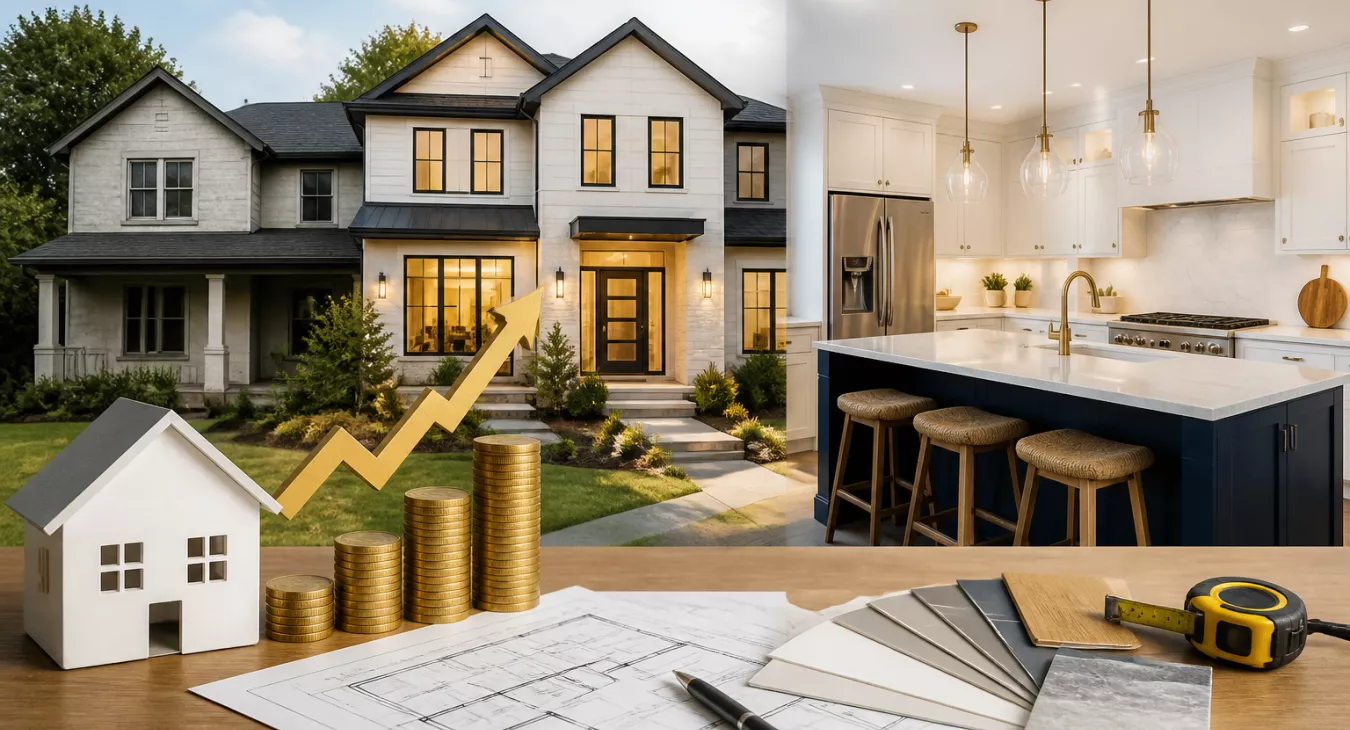
Discover 12 high-ROI renovations to increase property value fast. Strategic upgrades that boost equity and maximize returns at closing.
Products and Tools Mentioned in this Post

Propstream
Detailed information on Propstream. Get How-To's, reviews, Comparisons, and much more.
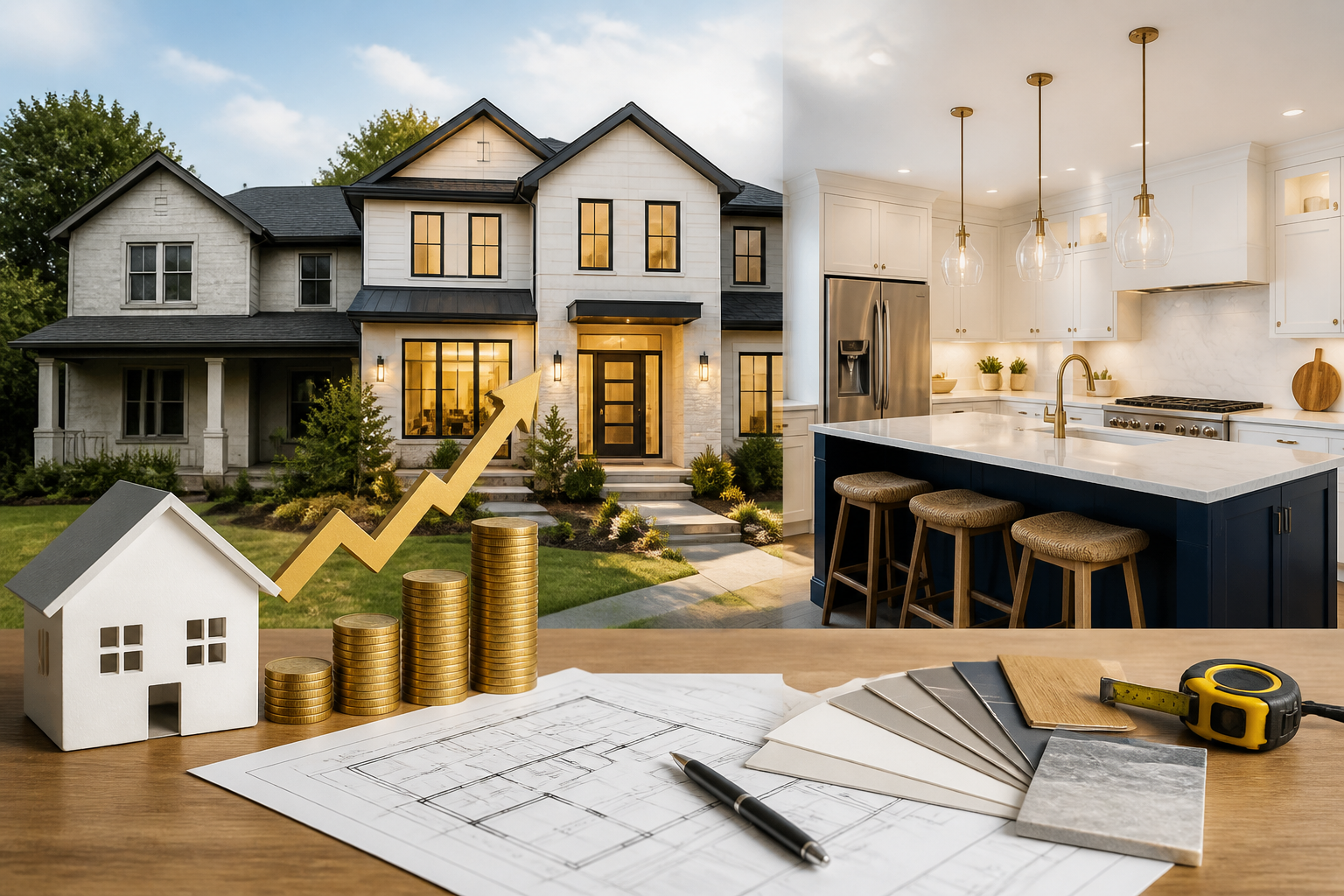
Table of Contents
- Understanding How Home Value Is Actually Determined
- Quick Wins: Low-Cost, High-Impact Improvements
- Major Renovations with Strong ROI
- Energy Efficiency and Sustainable Improvements
- ROI Comparison by Improvement Type
- What NOT to Do: Common Devaluation Mistakes
- Before You Start: Planning, Budgeting, and Timing
- Area-Specific Value Drivers: Why Local Research Matters
- Conclusion: Build Equity With Intention
- Frequently Asked Questions
Knowing how to increase property value is way more than just making a home look prettier. It's about deploying capital strategically—every dollar you spend needs to return more than one at closing. And right now, the math is working against passive investors. The U.S. median existing home sale price is $398,596 as of August 2026, with annual appreciation running at only +2.2% year-over-year. Organic equity growth won't cut it if you need to move fast.
But here's what changes the game: targeted renovations compress your timeline dramatically. The right improvements hit different—they move the needle on ARV, improve cap rates, and make the deal pencil when it wouldn't otherwise.
This guide walks you through 12 proven, high-ROI improvements ranked by return, complexity, and strategic fit for your deal type. You'll get the planning framework, budget guardrails, and a breakdown of the common pitfalls that kill project margins. Use this to maximize every dollar invested.

Understanding How Home Value Is Actually Determined
Grab accurate comps before you touch anything. What actually moves the needle? Appraisers stack your property against recent sales in the same neighborhood — and that neighborhood becomes your hard ceiling. Your renovations determine where you land within it. Pull up the best real estate comps tools and benchmark your subject property before you lock in a renovation budget.
The Core Value Drivers
- Location and neighborhood desirability — school districts, walkability, crime rates, and proximity to employment centers are hardwired into value. You can't renovate your way around them.
- Structural and mechanical condition — foundation, roof, HVAC, plumbing, electrical. Appraisers and buyers both hit you hard on deferred maintenance in these categories.
- Size and functional layout — gross living area, bed/bath count, and whether the floor plan actually flows.
- Aesthetic condition and finish quality — cosmetics. This is where most renovations land.
- Market timing — it matters. With the 30-year fixed mortgage rate at 6.95% as of the week of September 17, 2026, buyers have less purchasing power. In a rate-sensitive market, turnkey condition and energy efficiency hit different because buyers are hunting for lower carrying costs.
This hierarchy stops you from torching $80,000 on a gourmet kitchen in a $350,000 neighborhood. And it happens constantly. Don't guess — estimate property value using multiple methods before you scope the renovation.
Back to topQuick Wins: Low-Cost, High-Impact Improvements

Want to know the fastest way to build equity? Start with the cheapest moves. The 2025 Cost vs. Value Report from Zonda/JLC dropped some serious intel: 8 of the top 10 ROI projects nationally are exterior and curb-appeal upgrades. That's your cue to work outside first and save the interior for later.
1. Garage Door Replacement
Hands down, this is the highest-ROI project in the country year after year. The 2025 Cost vs. Value Report shows you're spending roughly $4,300 but adding $8,300 in resale value — that's a ~190% return. If you're operating on a tight timeline and tight budget, this belongs on your punch list.
2. Manufactured Stone Veneer
This one ranks #2 nationally and delivers about 150% ROI according to the 2025 Cost vs. Value Report. The front façade gets a dramatic transformation. And you're doing it at a fraction of what natural stone would cost.
3. Fresh Exterior and Interior Paint
Neutral, contemporary colors work. Warm whites, soft greiges, muted greens — they appeal to the widest buyer pool imaginable. Professional exterior paint hits harder than DIY when it comes to durability and listing photos, even though paint is one of the best DIY returns you'll find.
4. Landscaping and Lawn Condition
Trimmed hedges. Fresh mulch. Seasonal color. A healthy lawn. These are cheap signals that the owner actually cares about the property. Buyers form their first impression in seconds — don't let overgrown beds torpedo $40,000 of interior work.
5. Deep Cleaning, Decluttering, and Minor Repairs
Cracked switch plates. Dripping faucets. Squeaky doors. Stained grout. Appraisers and buyers read these as deferred maintenance red flags. But here's the thing: a solid punch-list repair pass plus professional cleaning costs almost nothing compared to the inspection issues it prevents. You'll dodge price negotiations that could've cost you five figures.
Back to topMajor Renovations with Strong ROI
After you've captured the quick wins, larger capital projects can push value significantly higher — but only if you scope them correctly. The 2025–2026 Remodeling Magazine Cost vs. Value data tells a sobering story: the average large renovation returns approximately 74 cents per dollar spent (~74% ROI). That's why thoughtful project selection and ruthless cost control matter so much.
6. Kitchen Remodeling
Kitchens get scrutinized harder than any other room during a showing. But here's what surprises most investors: bigger isn't better. A major upscale kitchen remodel costing $80,000–$150,000+ yields only around 40% ROI according to the 2025 Cost vs. Value Report. Meanwhile, a minor kitchen remodel — new cabinet faces, updated hardware, modern countertops, and stainless appliances — consistently crushes it in percentage return. For rental investors? Smart appliance choices that can actually survive tenant abuse matter just as much as aesthetics. Check out this breakdown of the best appliances to boost rental property value for specific product guidance.
7. Bathroom Upgrades
Same pattern here: restraint wins. A mid-range bathroom remodel returns approximately 80% ROI — the highest of any bath category, by the way — while an upscale bathroom remodel tanks to roughly 42% ROI per Opendoor's analysis of the 2025 Cost vs. Value Report. Focus on what actually moves the needle: update vanity and fixtures, re-grout or replace tile, improve lighting, and add ventilation. And here's something overlooked: converting a half-bath to a full bath where none exists adds outsized value, especially in markets where bedroom-to-bath ratios are tight.
8. Loft Conversions and Structural Additions
Converting unused attic or basement space into livable square footage? That's one of the most capital-efficient moves you can make to bump gross living area without dropping $50K+ on an addition. The catch: it's got to meet local code for ceiling height, egress, and HVAC. Non-compliant space won't count toward appraised square footage — it becomes dead weight. Always pull permits. Unpermitted additions kill deals during buyer due diligence, and you'll eat that cost.
9. Smart Home Technology Integration
Smart thermostats, video doorbells, keyless entry, integrated security systems. These hit differently with millennial and Gen-Z buyers, who now drive the market. They're relatively inexpensive, dead simple to install, and they do double duty. You get energy-efficient features that slash monthly operating costs — a tangible selling point when rates stay high. See how these fit into your broader strategy here: energy-efficient upgrades that boost property value.
Back to topEnergy Efficiency and Sustainable Improvements

Energy efficiency isn't just a marketing angle anymore. With utility costs climbing and buyer awareness of climate impact rising, it's become a real value driver. Your buyers are already dealing with mortgage rates hovering near 7%. A home that keeps monthly utility costs down? That's the differentiator that moves deals.
10. Insulation, Weatherproofing, and HVAC Upgrades
Here's what matters: attic insulation, air sealing, and modern HVAC systems cut utility bills and keep tenants or buyers comfortable throughout the year. And lenders are starting to notice. Some now request home energy audits before closing. A new high-efficiency heat pump does double duty—handles both heating and cooling—while signaling to buyers that the mechanical systems won't nickel-and-dime them later.
Tax Credit Note (Important for Timing)
If you completed qualifying energy efficiency work in 2025 or earlier, you could claim the §25C Energy Efficient Home Improvement Credit. The numbers were solid: 30% of qualified costs, up to $1,200/year (general cap) plus a separate $2,000/year cap for heat pumps and biomass systems, maxing out at $3,200/year. But here's the catch—that credit expired for property placed in service after December 31, 2025. It's not coming back for 2026 improvements. Talk to your tax pro about state-level incentives or utility rebates that might still be on the table in your area.
11. Solar Panels and Renewable Energy
Solar actually works. In markets with high electricity rates and solid sun exposure, installations add real, measurable value. The pitch to buyers is simple: lower utility bills, sometimes zero bills. Don't assume it works everywhere though. Check comps in your specific market for solar homes first—value attribution swings wildly depending on region. Want the deep dive on eco-upgrades that appraisers actually value? Check out KDS Development's greenhabbing guide to eco-friendly upgrades.
Back to topROI Comparison by Improvement Type
Here's what actually moves the needle. The data below comes straight from the 2025 Cost vs. Value Report — and it'll surprise you which improvements crush it and which ones drain your cash.
| Improvement | Approximate Cost | Reported ROI | Difficulty Level | Source / As Of |
|---|---|---|---|---|
| Garage Door Replacement | ~$4,300 | ~190% | Low (professional install) | 2025 Cost vs. Value Report |
| Manufactured Stone Veneer | Varies | ~150% | Medium | 2025 Cost vs. Value Report |
| Mid-Range Bathroom Remodel | Varies | ~80% | Medium–High | 2025 Cost vs. Value Report |
| Minor Kitchen Remodel | Varies | Outperforms major remodel | Medium | 2025 Cost vs. Value Report |
| Major/Upscale Kitchen Remodel | $80,000–$150,000+ | ~40% | High | 2025 Cost vs. Value Report |
| Upscale Bathroom Remodel | Varies | ~42% | High | 2025 Cost vs. Value Report |
| Average Large Renovation | Varies | ~74% | Varies | 2025–2026 Cost vs. Value |
Notice the pattern? A $4,300 garage door hits you back with ~190% ROI. Stone veneer's sitting pretty at 150%. But spend $80K–$150K on a high-end kitchen? You're looking at just ~40% return. The lesson here is brutal: sweat the small stuff first. Minor kitchen work crushes major kitchen work in ROI terms — that's the real story.
Mid-range bathroom remodels give you ~80% back. They're your middle ground. But go upscale, and that number drops to 42%. And large renovations? They average ~74% — decent enough, but nowhere near what you'll get from targeted, strategic improvements.
Back to topWhat NOT to Do: Common Devaluation Mistakes
Knowing what to avoid matters just as much as knowing what to build. These mistakes consistently tank your renovation ROI.
Over-Personalization
That bold accent wall? The custom built-ins? The $50K marble countertops in a $320K neighborhood? They don't come back. Vivid design choices and luxury finishes way above neighborhood norms shrink your buyer pool fast. You're renovating for the broadest probable buyer — not yourself.


Over-Improving for the Neighborhood
Here's the rule that actually works: no single project should eat up more than 30% of the home's current value, according to Opendoor's 2026 improvement guidance. Spend $100K on a kitchen in a $280K neighborhood? You've just created an over-improved property. The comps won't support it at appraisal.
Skipping Permits
Unpermitted structural, electrical, or plumbing work is a deal-killer. Title liability. Disclosure headaches. Buyers and their agents now routinely dig into permit histories. One undisclosed permit can collapse the whole transaction or force remediation costs that come straight out of your closing proceeds.
Neglecting Structural and Mechanical Systems
And here's where most flips stumble. New tile, fresh paint, polished counters — but the roof's leaking and the electrical panel's from 1987. That contradiction screams on inspection. Fix the foundation, the HVAC, the plumbing first. Cosmetics come second.
Poor Contractor Selection
The lowest bid rarely wins. Low-bid contractors produce work that actually destroys value — visible grout seams, uneven paint, fixtures hung crooked. Before you sign anything, verify licensing, check insurance, and call every reference. It's the difference between a $30K profit and a $30K loss.
Back to topBefore You Start: Planning, Budgeting, and Timing
This is where the pros separate profit from pain. A disciplined pre-renovation process makes the difference.
Establish Your Baseline Value
You need three data points: an automated valuation model, a comparative market analysis from a local agent, and — if it's a bigger deal — a pre-renovation appraisal. Start with the real estate comps calculator. Then dig into how comparable sales actually determine property value. These tools aren't optional—they're your foundation.
12. Strategic Budget Allocation
Prioritize structural and mechanical defects first. No shortcuts here. Then hit the curb appeal wins that move the needle fast. After that? Update the kitchen and bathrooms to what the market expects, not to luxury standards. Layer in energy efficiency next. Cosmetics and tech come last.
And here's the guardrail: keep total renovation spend at 30% or less of current home value.
Tax Implications for Investors
Capital improvements boost your cost basis. That's the win—it reduces your taxable gain at sale. Repairs? Those don't count.
For primary residence sales, the numbers matter. The IRS §121 exclusion shields $250,000 of gain for single filers, $500,000 for married couples filing jointly in the 2026 tax year—but you've got to have owned and used the home as your primary residence for at least 2 of the 5 years before you sell. Anything above that threshold? You might owe a 3.8% Net Investment Income Tax if you're a higher-income earner.
If you're stacking that equity for your next acquisition, check out using home equity to buy your next rental property.
Timing Your Project
Late winter or early spring completion? You'll hit peak buying season traffic. That's when you list.
In flood-prone markets, FEMA designations hit your insurability and ARV hard. Don't overlook this before you buy—understand how FEMA flood zones impact property value and insurability.
Back to topArea-Specific Value Drivers: Why Local Research Matters
National ROI averages give you a starting point. But they're misleading if you don't account for market-specific variables. A solar installation in Arizona or California doesn't move the needle the same way it does in the Pacific Northwest—the economics are fundamentally different. Add a finished basement in Chicago, and you're looking at real square footage value. Try that same project in Miami or Houston, and you're probably leaving money on the table.
Here's what actually matters: pull local comps before you lock in your renovation scope. Filter specifically for the features you're planning to add. Find a buyer's agent or appraiser who knows your target submarket inside and out—not someone working three counties over. Then dig into PropStream vs. ListSource to see what neighborhood trends look like and which features local buyers are actually willing to pay for. You might think granite counters are a must-have. Your market might disagree.
And if you're weighing a rental hold against a flip?
Run the actual numbers using the 5 key numbers that matter for rental property analysis. Don't guess. The cap rate, cash-on-cash return, and debt service coverage ratio will tell you what this property's worth to you as a hold—not some agent's napkin math.
Back to topConclusion: Build Equity With Intention
Here's the truth: increasing property value isn't just about construction—it's a capital allocation problem. The investors and agents who consistently win are the ones who nail their baseline comps, pick improvements that respect neighborhood ceilings and actual buyer preferences, and stick to a strict budget (that 30%-per-project guardrail exists for a reason). They also know when to stop and capture those curb-appeal wins before dumping six figures into interior work that won't move the needle.
And the math matters. With the median home sitting around $398,596 and appreciation crawling at just +2.2% annually as of August 2026, waiting for the market to build your equity is a losing strategy. Strategic improvements? That's how you actually manufacture returns.
Here's your action plan:
Run a solid comp analysis first. Find your property's specific gaps versus the competition. Then build a sequenced renovation plan that ties ROI directly to your exit timeline. The 12 strategies above give you the framework—execute them in order of return, and the equity compounds.
Back to top
Frequently Asked Questions
What's the single highest-ROI home improvement project?
Garage door replacement. That's it. The 2025 Cost vs. Value Report shows it's held the #1 spot for years running—roughly 190% ROI. You're spending around $4,300 and pulling back $8,300 in resale value. Every experienced investor should have this on the punch list because it's high-impact, low-cost, and sits right on the exterior where buyers notice.
Is a full kitchen remodel worth the investment?
Not if you're spending $80,000–$150,000+ on the luxury version. You'll only recover about 40% of that spend. But here's what works: targeted upgrades. Cabinet refacing, new countertops, modern appliances—these punch way above their weight in percentage return versus gutting the whole space. Match your finish to what the neighborhood actually demands. Don't build for a design magazine; build for your comps.
How do I avoid over-improving my property?
Simple rule: don't exceed 30% of current home value on any single project. Beyond that threshold, you're throwing money away. Always pull comps for your immediate area and benchmark your finish level against what actually sold. Your comps set the ceiling. You can reach it, but you can't go above it—and if you do, the market won't reward you.
Are energy efficiency upgrades still eligible for federal tax credits in 2026?
No. The §25C Energy Efficient Home Improvement Credit expired on December 31, 2025. Gone for 2026 improvements. If you or your clients finished qualifying work in 2025 or earlier, you could claim up to $3,200 per year. For anything going forward, talk to your tax pro about state-level incentives or utility rebates that might still be live in your specific area.
How do I determine what renovations are right for my specific market?
Pull recent comps filtered by the exact features you're planning to add. Are buyers actually paying a premium for those upgrades in your market? That's your answer. Get a local appraiser or buyer's agent in the conversation early. Data tools like the 5 methods for estimating property value beyond the MLS will help you build a complete picture before you commit capital. Don't guess on what your market wants—show me the numbers.
Back to top