


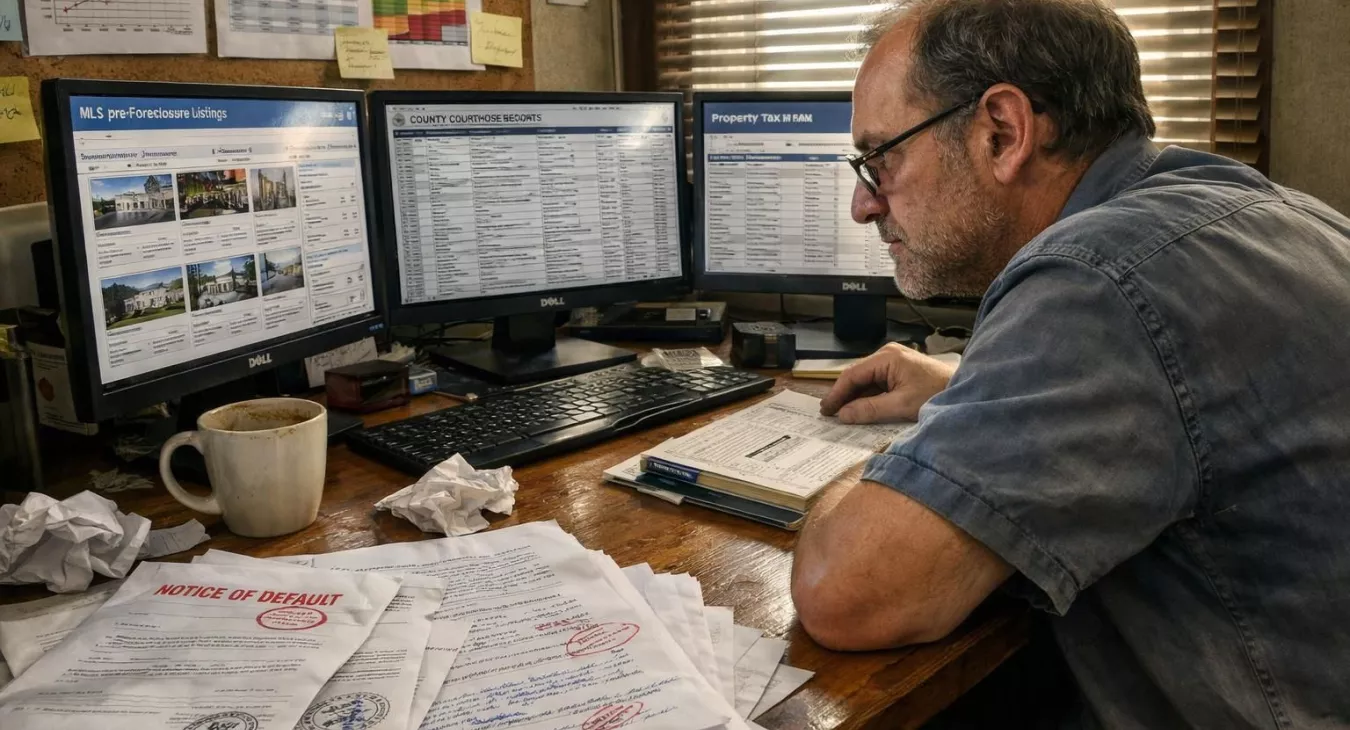
Find valuable Pre-Foreclosure Lists to boost your real estate investments. Learn where to source them and how to engage with homeowners effectively.
Table of Contents
- What Are Pre-Foreclosure Lists?
- Where to Find Pre-Foreclosure Lists
- How to Analyze Pre-Foreclosure Listings
- Step-by-Step Guide to Using Pre-Foreclosure Lists
- Tips and Strategies for Pre-Foreclosure Investing ([Read more](https://www. kdsdevelopment. net/articles/pre-foreclosure-investing))
- Common Mistakes When Using Pre-Foreclosure Lists
- Conclusion
- FAQs
Pre-Foreclosure Lists: Where to Find Them and How to Use Them
Finding accurate Pre-Foreclosure Lists can be a challenge for real estate investors and agents. Many miss out on valuable property ownership leads because they use outdated or incomplete data.
These lists hold untapped potential if you know where to look and how to work with them. 1 Pre-Foreclosure Leads from online platforms such as Zillow, courthouse records, and trusted tools like PropertyRadar® can put the right homes for sale in your hands before the market reacts. 2
As an expert with years of experience analyzing real estate listings and pre-foreclosure strategies, I have seen how using these resources correctly can change your investment results.
You will learn proven ways to find trustworthy listings, spot key details like Notice of Default or Lis Pendens, and reach out smartly to distressed homeowners. This guide helps you unlock better deals in markets such as Miami, FL or any state tracking foreclosures.
Start building your edge today by reading further.
Key Takeaways
- Pre-foreclosure lists show properties that have received legal notices like Notice of Default or Lis Pendens. Sources include Zillow, Foreclosure.com, and local courthouse records (New York Department of Financial Services, 2021).
- Online tools such as PropertyRadar®, BatchLeads, and PropStream help you filter real estate listings by type and location. You can search by state for areas like Arizona or Michigan foreclosures.
- The pre-foreclosure period usually lasts 6 to 12 months. Sellers are highly motivated during this time and may accept low offers before the property reaches auction.
- Always check public records for liens, unpaid taxes, or legal claims before making an offer. A study found Italian foreclosed homes sold at a discount between 42%–56%, showing bargains also happen in U.S. markets.
- Common mistakes include using outdated data or not doing full title research. Experts recommend cross-checking facts with trusted tools like PropertyRadar® and networking with agents to find off-market deals (KDS Development).
What Are Pre-Foreclosure Lists?
Pre-foreclosure lists show properties stuck between a mortgage default and an auction or trustee sale. 1 Homeowners have received a Notice of Default or Lis Pendens, which marks the official start of this stage.
You see high-intent leads here, as these sellers often face urgent financial trouble and seek to avoid foreclosure through options like short sales or renegotiating with lenders. County records, courthouse filings, and sites such as Foreclosure.com or major real estate platforms track these single-family homes and multifamily properties.
The standard pre-foreclosure window lasts six to twelve months, giving you time to research property ownership details and market value. Many investors target these lists because motivated sellers want fast solutions before facing eviction.
Real estate professionals use tools like PropertyRadar®, power dialer software, expired leads, fsbo leads (For Sale By Owner), frbo leads (For Rent By Owner), trustee sale tracking services, foreclosure estimate data, and local court listings for effective targeting in housing markets from Texas foreclosures to Washington DC foreclosures.
Fast action on solid data can mean securing great deals below zestimate before they reach public auctions.
Back to topWhere to Find Pre-Foreclosure Lists
Pre-foreclosure lists emerge from a range of sources, including real estate investing software and property records. Use specialized tools like Foreclosure.com to streamline your foreclosure search and target single family homes with high potential.
Online platforms (e.g., Zillow, Realtor.com)
Zillow and Realtor.com offer essential tools for locating pre-foreclosure real estate listings. Zillow grants free access to foreclosure search features, where you can filter by property status including pre-foreclosures and bank-owned homes. 2 Over 200 million unique visitors per month use this platform to track single family homes, new constructions, or kansas foreclosures along with other state-specific properties like virginia foreclosures and california foreclosures.
Realtor.com provides advanced search functionality for judicial foreclosure states such as New York or nonjudicial foreclosure regions in Arizona. You can review home photos, full addresses, tax details, contract dates, showing instructions, and listing prices directly on these sites.
Both platforms let you contact agents through a built-in Contact Agent button or schedule tours using a preferred buyers agent. Uploading at least one photo and complete specs boosts your listing's visibility as a Preview on Zillow; these get priority in search results and save-home alerts.
Use the property information from these online platforms for informed investment analysis before reaching out to owners or making bids on potential opportunities in markets from florida foreclosures to oregon foreclosures.
Local government records and courthouse listings
Local government records and courthouse listings let you access pre-foreclosure lists for free. County offices maintain up-to-date filings, such as the Notice of Default, Lis Pendens, and property ownership changes.
The New York Department of Financial Services manages a Foreclosure Database that covers important updates from April 14, 2021. 3 Filings now include questions about reverse mortgage loans.
Legal notices appear in public newspapers because laws like Real Property Law Section 280-D require them. You can check the Registry's Vacant Property Proof of Filing feature after logging in to verify details on properties statewide, including those tied to Alabama foreclosures or New Jersey foreclosures.
Pulling reports at your local courthouse provides specifics on owner status, opening bids, postponements, cancellations, and winning bids for both residential and commercial assets.
Use this data to analyze market value quickly and spot promising investment opportunities before they reach national real estate listings websites.
Real estate investment tools (e.g., PropertyRadar®, Foreclosure.com)
Real estate investment tools like PropertyRadar® and Foreclosure.com give you access to updated pre-foreclosure lists across states such as Arizona, Colorado, and Michigan. BatchLeads and PropStream offer paid services that filter real estate listings by property type or document status.
These platforms let you search for Alaska foreclosures, Texas pre-foreclosures, or New York distressed properties with a few clicks.
You can use features like skip tracing to find owner contact details including phone numbers or emails. Investment tools provide analytics showing trends in areas with rising foreclosure rates.
Start targeted direct mail or cold calling campaigns from inside these systems to reach motivated sellers fast. Successful agents leverage performance metrics on these sites to monitor leads effectively and secure new deals before others do.
Networking with real estate agents and investors
Working with real estate agents unlocks access to off-market or pre-foreclosure opportunities, including those never publicized in regular property ownership or real estate listings. 4 Agents often receive early information on Notices of Default and Lis Pendens, giving you a head start on competitive deals from platforms such as Realtor.com, Zillow, or specialized tools like ForeclosureRadar®.
Building connections at investor meetings and local auction houses keeps you informed about arizona foreclosures, ohio foreclosures, georgia foreclosures, and other hotspots.
You strengthen your market position by joining local investment groups where distressed properties circulate before entering public database systems. Active engagement with experienced agents leads to valuable referrals involving homeowners facing hardship.
Many seasoned investors report that these relationships help identify multiple-offer situations early and understand seller motivation based on changing market conditions across regions such as arkansas foreclosures or new york foreclosures.
To gain exclusive leads before they hit broad channels monitored by the federal deposit insurance corporation or department of veterans affairs, attend networking events frequently; always be ready to share your goals clearly for maximum impact.
Back to topHow to Analyze Pre-Foreclosure Listings
Scrutinize data from real estate listings platforms like Zillow and Foreclosure.com to spot trends in property ownership at risk. Cross-reference legal documents through local courthouse portals for sharper insight into market value shifts, which sharpens your offer strategy.
Understanding key terms (e.g., Notice of Default, Lis Pendens)
A Notice of Default marks the start of pre-foreclosure when a lender formally alerts a borrower for missed mortgage payments. 5 This document warns that the homeowner risks foreclosure if they do not resolve overdue payments.
For example, in colorado foreclosures or connecticut foreclosures, once recorded at local government offices, this notice becomes public and appears on real estate listings and investment platforms like Zillow or PropertyRadar®.
A Lis Pendens signals a pending lawsuit involving property ownership disputes. This legal filing lets interested parties know about active claims before buying or investing. States such as illinois foreclosures and florida foreclosures rely on this document to track ongoing proceedings through courthouse records and online resources.
Always review these filings carefully using tools like Foreclosure.com so you can evaluate each property's risk level before making offers in markets with high default rates.
Evaluating property details and market value
Review every pre-foreclosure listing for its condition, size, location, and nearby comparables. Homes facing foreclosure usually require repairs and are often located in suburban areas.
Properties like those included in delaware foreclosures or nevada foreclosures tend to be priced lower than average listings. A recent study found that Italian foreclosed properties sell at a discount between 42% and 56%.
Similar price drops may occur across the U.S., including markets with rising hawaii foreclosures or iowa foreclosures. 6
Analyze liens, unpaid taxes, and any legal restrictions on the asset before making an offer. Check public records or use tools such as PropertyRadar® to access ownership information fast.
Consider how nearby non-foreclosed homes lose value too; within 150 meters of a distressed property, expect surrounding real estate listings to drop by about 1.1%. Use this data when negotiating with sellers who may reduce their asking prices due to proximity concerns or heightened competition since regulatory changes increased market activity after 2015.
This approach will help you determine fair market value while managing risk effectively during pre-foreclosure investment.
Back to topStep-by-Step Guide to Using Pre-Foreclosure Lists
Experts suggest using sources like Zillow and PropertyRadar® to gather accurate pre-foreclosure data. Apply a clear outreach strategy to transform targeted real estate listings into new property ownership opportunities.
Step 1: Identify your target market
Focus first on your preferred locations and property types. Use pre-foreclosure lists to narrow your search by state, such as Indiana foreclosures or Michigan foreclosures, if you want specific markets.
BatchLeads can help you pinpoint motivated sellers facing pre-foreclosure or tax default situations in these areas. 7 Analyze local trends using real estate listings and foreclosure rates; for example, a rising number of Idaho foreclosures may indicate greater opportunity but also stiffer competition from other investors.
Real estate professionals often target homes needing repair because these properties frequently appear on pre-foreclosure lists. Consider the urgency facing owners with strict legal deadlines before foreclosure takes effect.
Look at public records from county courthouses to assess both market saturation and available inventory in states like Kentucky or Maryland. By refining your focus—whether it is Vermont multifamily units or single-family Louisiana homes—you increase chances of timely outreach that meets both seller needs and investor goals while leveraging tools like PropertyRadar® for up-to-the-minute data.
Select market segments carefully to maximize returns while competing effectively in high-demand regions shown on recent foreclosure indexes.
Step 2: Research the property and owner details
Study each pre-foreclosure property by reviewing real estate listings and public county records. Search for ownership details, title status, and any recorded Notice of Default (NOD). 1 Paid list providers like Foreclosure.com or PropertyRadar® can speed up this process with detailed reports on kentucky foreclosures, south carolina foreclosures, minnesota foreclosures, and more.
Check for active liens against the property that could impact a sale.
Contact information often requires skip tracing if standard data is missing or incorrect. Verify owner names through local government portals or courthouse documents to confirm accuracy before outreach.
Understanding these specifics helps you approach homeowners with clarity, empathy, and transparency—qualities that build trust during sensitive negotiations in markets from missouri foreclosures to vermont foreclosures.
This level of due diligence positions you to avoid costly mistakes and act quickly as timelines in typical foreclosure cases can last between 6–12 months. 6
Step 3: Reach out to property owners with a clear strategy
Contact property owners on pre-foreclosure lists using a clear, respectful approach. Deploy direct mail or cold calling to start the conversation early. 7 Use skip tracing tools such as PropertyRadar or Foreclosure.com to gather accurate contact details before you begin outreach.
Tailor your message to each owner and address their unique needs, especially in states handling louisiana foreclosures or north carolina foreclosures.
Express empathy and offer transparent solutions as part of your strategy. Highlight how you can relieve their financial stress while protecting their interests. Agents and investors who establish trust see higher response rates and more productive discussions. 8 Maintain an ethical focus throughout all communications, reinforcing your commitment to fairness during the high-pressure timelines common in real estate listings for massachusetts foreclosures or utah foreclosures.
Focusing on rapport will open doors for negotiation while supporting both sides in these sensitive situations.
Step 4: Make an offer and negotiate effectively
Start with a clear, research-based offer that matches the property’s market value and condition. Check public real estate listings like Zillow or Foreclosure.com to compare prices in states such as Maine, Maryland, or Tennessee foreclosures.
Include all key details such as any liens or title issues found during due diligence. Use this knowledge to set realistic expectations for both you and the homeowner.
Promote transparency from your first contact; explain your process and keep communication open throughout negotiations. Propose deal structures like short sales or subject-to financing if they fit the situation.
Focus on solutions that benefit both parties, which experts agree creates trust even in competitive markets where homeowners might get several offers daily. Always document every discussion and update terms based on new information from state government records or the owner’s disclosures about their financial challenges.
Back to topTips and Strategies for Pre-Foreclosure Investing ([Read more](https://www. kdsdevelopment. net/articles/pre-foreclosure-investing))
Direct negotiation with property owners sets you apart in a market crowded with offers. 9 Always confirm the pre-foreclosure status by reviewing local courthouse records or using trusted real estate investment tools like PropertyRadar or Foreclosure.com.
Many investors overlook hidden liens and title issues, but these can ruin your deal. Research every detail before bidding at foreclosure auctions, especially for properties in states such as Pennsylvania foreclosures or Nebraska foreclosures where local laws may add extra complications.
Use online platforms including Zillow to gather real estate listings specific to Maine foreclosures, Oklahoma foreclosures, or Wyoming foreclosures. Build rapport with homeowners facing default; some will prefer a friendly face over the highest offer if they feel respected during negotiations.
Structure your deals carefully—short sales and loan modifications are common approaches that work well in many markets. Track all communication through an ad builder or brand builder tool so you never lose critical information about each lead or property ownership opportunity.
Persistence and attention to details help protect your investments from costly surprises while building long-term wealth through pre-foreclosure investing.
Back to topCommon Mistakes When Using Pre-Foreclosure Lists
Relying on pre-foreclosure lists for property searches can offer strong leads, but critical mistakes often reduce your chances of success. 10 Careful attention to detail and strategy will help you avoid costly errors.
- Using outdated pre-foreclosure data risks chasing deals that have already closed or vanished, resulting in wasted time and missed opportunities in competitive markets like Maryland foreclosures or Wisconsin foreclosures.
- Ignoring the need for compassion during homeowner outreach damages rapport; owners facing foreclosure stress will respond more favorably if you approach them with empathy and professionalism.
- Focusing only on immediate transactions undercuts long-term business growth; successful investors nurture relationships to secure future deals and referrals across areas such as Mississippi foreclosures or South Dakota foreclosures.
- Neglecting personal interaction by relying solely on digital messages or mailers hinders trust-building; face-to-face meetings or calls improve credibility with distressed sellers in Montana foreclosures and West Virginia foreclosures.
- Limiting marketing to one channel—such as direct mail alone—restricts your reach; using diverse approaches, including online platforms like Zillow, networking, and courthouse visits, increases effectiveness in locating real estate listings.
- Overlooking up-to-date information leads to poor investment decisions; always verify details through reliable sources like PropertyRadar®, Foreclosure.com, and recent local government records when researching New Hampshire foreclosures or Rhode Island foreclosures.
- Failing to conduct full title research exposes you to unlisted liens or legal issues that can become expensive obstacles; thorough due diligence protects your interests before making an offer on Washington foreclosures or North Dakota foreclosures.
- Underestimating competition reduces your ability to act quickly; stay alert to market shifts and respond promptly so you do not lose out in fast-moving environments common in New Mexico foreclosures and other hot spots of property ownership activity.
Conclusion
Pre-foreclosure lists offer real estate agents and investors a vital edge. Online platforms such as Zillow and Realtor.com give you fast access to these valuable properties. Local government offices and specialized tools like Foreclosure.com deepen your research options.
Use these resources to spot property ownership changes before public sales begin. Take clear steps, analyze facts, and reach out early for the best chances at profitable deals.
Back to topFAQs
1. Where can I find pre-foreclosure lists?
Public records at county courthouses often provide pre-foreclosure data. Many property information services and real estate databases also offer updated lists for a fee. Some local newspapers publish notices of default, which signal the start of pre-foreclosure.
2. How do investors use pre-foreclosure lists?
Investors review these lists to identify properties with potential for purchase before auction or bank repossession. They often contact homeowners directly to discuss possible sales, sometimes offering solutions that help owners avoid foreclosure while securing investment opportunities.
3. What are the risks involved in using pre-foreclosure lists?
Purchasing from these listings carries legal and financial risks if due diligence is lacking. Title issues, unpaid taxes, or unresolved liens may complicate transactions; each case requires careful research and professional advice to avoid costly mistakes.
4. Can buying from a pre-foreclosure list benefit communities?
Some experts argue that responsible purchases can stabilize neighborhoods by reducing vacant homes and maintaining property values. Others caution against aggressive tactics that might pressure vulnerable homeowners; ethical considerations remain central in community-focused investment strategies.
References
- ^ https://www.remaildirect.com/blog/pre-foreclosure-list
- ^ https://www.zillow.com/learn/finding-foreclosures/ (2024-07-30)
- ^ https://www.dfs.ny.gov/apps_and_licensing/mortgage_companies/foreclosure_filing_system
- ^ https://www.propertyshark.com/Real-Estate-Reports/2019/02/18/how-to-find-pre-foreclosures-in-nyc/ (2019-02-18)
- ^ https://www.investopedia.com/terms/p/pre-foreclosure.asp
- ^ https://www.huduser.gov/portal/periodicals/cityscpe/vol21num2/ch8.pdf
- ^ https://batchleads.io/blog/understanding-pre-foreclosure-lists-for-lead-generation
- ^ https://www.housingwire.com/articles/how-to-find-foreclosure-leads/
- ^ https://american-apartment-owners-association.org/property-management/latest-news/investing-in-foreclosures-for-beginners/?srsltid=AfmBOooKjNS2ftnYQBcdXvK3XCa4eL-AQ_AiRJq1EpPWH1O86z3Vo9Nn
- ^ https://www.propertyradar.com/blog/7-dos-and-donts-when-marketing-to-a-preforeclosure-list