

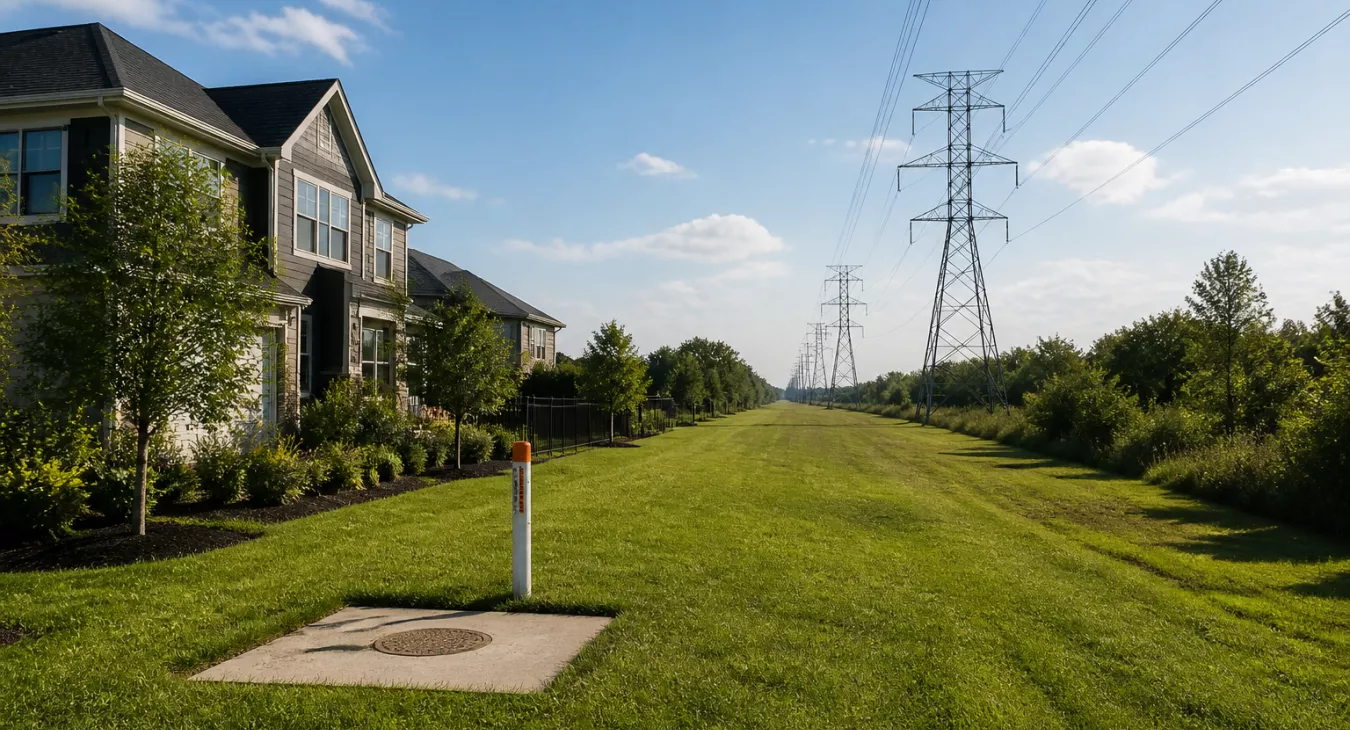
Learn how utility easements impact property rights and investment returns. Understand legal basics, restrictions, and due diligence before buying.
Products and Tools Mentioned in this Post

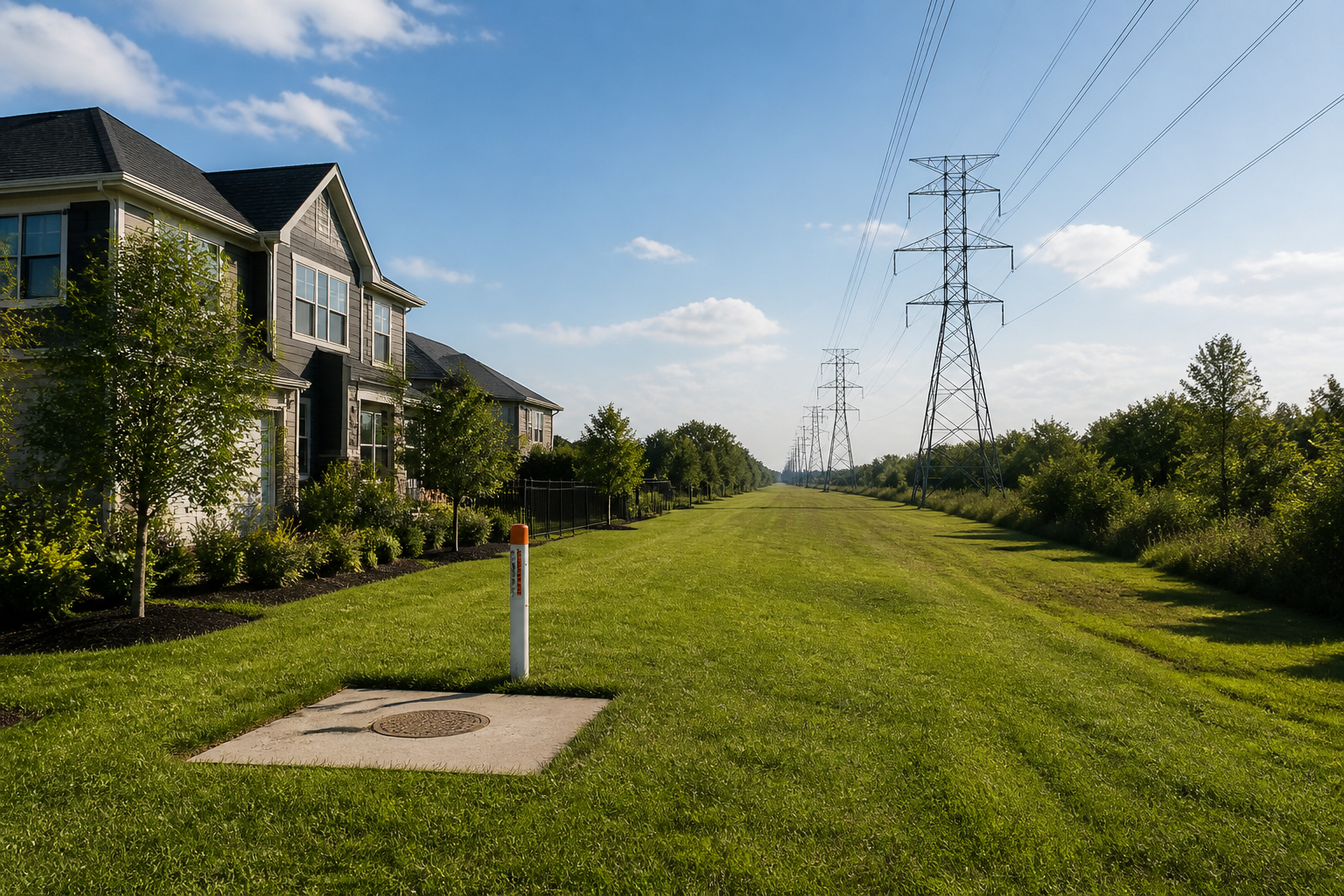
Table of Contents
- What Are Utility Easements?
- Types of Utility Easements
- How Utility Easements Affect Property Rights
- Utility Easements as Investment Opportunities
- Protecting Your Property Rights with Easements
- Easements and Property Titles
- Regional Considerations: Utility Easements by State
- Common Mistakes Landowners and Investors Make
- Investor Due Diligence Checklist for Easement-Encumbered Properties
- Conclusion
- Frequently Asked Questions
Utility easements are everywhere. They're also widely misunderstood — even by experienced investors who should know better. The truth? They touch virtually every improved parcel in the United States, and they matter far more than most people realize. For you as an investor or agent, understanding utility easements and property rights isn't some nice-to-have skill. It's foundational due diligence that separates a profitable acquisition from a costly surprise you can't undo. Raw land, commercial sites, residential rental portfolios — easements recorded on title will limit what you can build, how you use the land, and what your eventual buyer will actually pay for it. This guide covers the legal framework, real investment implications, and the practical steps every serious investor needs to know before you close.

What Are Utility Easements?
Definition and Legal Basics
A utility easement is a legally recorded right that gives a third party — usually a utility company, municipality, or government agency — the authority to access and use a defined strip of your private land for infrastructure like electricity transmission, natural gas pipelines, water and sewer lines, or telecommunications cables. Here's the key: you keep the title. The easement doesn't transfer ownership. But that right runs with the land, binding every future owner regardless of whether they signed the original agreement. That's a permanent encumbrance on your deed.
Dominant vs. Servient Tenement

Real estate law splits easement relationships into two camps. The dominant tenement is the party that benefits — say, the utility company running lines across your property. The servient tenement is the burdened property. Yours. And this distinction matters for your portfolio because it determines who can actually enforce the easement terms and who foots the bill for accommodating access, maintenance crews, and infrastructure upgrades inside that easement corridor. You need to know which side of that fence you're standing on before you buy.
Back to topTypes of Utility Easements

Here's the thing: easements aren't all built the same way. How an easement gets created directly affects whether you can challenge it, modify it, or eliminate it entirely. Before you even run the numbers on a deal, you need to know which type you're dealing with.
| Easement Type | How Created | Typical Duration | Investor Impact |
|---|---|---|---|
| Express | Written deed or agreement, recorded on title | Perpetual unless expressly limited | Clearest terms; most common in commercial transactions |
| Implied | Necessity or prior use inferred by court or law | Perpetual while necessity exists | May not appear on title; harder to discover in due diligence |
| Prescriptive | Open, continuous, hostile use over statutory period (varies by state) | Perpetual once established by court | Highest risk — no documentation until litigated |
| Public / Statutory | Government grant, condemnation, or recorded plat | Perpetual; tied to public infrastructure | Non-negotiable; may trigger compensation rights |
Express Easements
You'll find these in a written legal document — a deed, easement agreement, or plat notation — all recorded in the public land records. They're the cleanest option for investors because someone actually wrote down the terms, width, permitted uses, and who pays for maintenance. Pull up your title commitment and look for Schedule B exceptions. That's where these show up.
Implied and Prescriptive Easements
Implied easements pop up when necessity forces the issue. Say a landlocked parcel sells and the only practical way in crosses the seller's remaining land. That's an implied easement, whether anyone documented it or not. Prescriptive easements? They're acquired through years of open, continuous use without permission — think of it as adverse possession for access rights.
And here's where it gets tricky. The statutory period varies wildly by state. Some jurisdictions only require five years of use; others demand twenty or more. You absolutely have to verify the rule in your specific jurisdiction before underwriting. For landlocked properties and their access headaches, check out our guide on landlocked property access rights.
Public Utility Easements
Public utility easements (PUEs) typically run along property lines in the front, rear, or side yard. You'll find them dedicated on recorded subdivision plats. Municipal and county governments mandate these as part of plat approval — you don't negotiate this part. That said, you may retain compensation rights if the utility company expands the easement or materially changes how it uses the space.
Back to topHow Utility Easements Affect Property Rights
Impact on Land Use and Development

Here's what keeps most investors up at night: what you can't build. Utility companies own the easement corridor, and that means no permanent structures, no deep-rooted trees, and definitely no digging without written permission. That rear-yard easement? It'll kill your ADU plans or pool project. On commercial land, an easement cutting through the center of the parcel can turn an otherwise solid development deal into pure dead weight. Before you sign anything, map that easement corridor directly onto your site plan.
The zoning piece complicates things even more. You might own a parcel zoned perfectly for your intended use, but the easement physically blocks you from executing it. Zoning varies wildly—setbacks, densities, and use categories differ not just state to state but municipality to municipality, even within the same city. Don't assume a zoning designation solves your easement problem. Pull both documents and compare them line by line.
Effect on Property Value
What's an easement actually worth in dollars? It depends on type, visibility, and how much development potential you're losing. Appraisal data from 2025–2026 shows overhead power lines and transformer easements typically knock 15%–25% off appraised value. Underground utility easements hit you lighter—closer to 5%—but the loss is still real. These aren't fixed formulas. Every parcel tells a different story based on market conditions and actual usability constraints.
And here's what most people miss: how easements affect your tax assessment. That value reduction impacts more than just your sale price. Our guide to real estate tax vs. property tax walks through assessment calculations and appeal strategies—critical intel when an easement is eating into your cap rate.
Back to topUtility Easements as Investment Opportunities
Most investors write off easements as pure dead weight. That's a mistake. Smart money recognizes that easement-encumbered land trades at a discount — and there's real cash to be made if you know the playbook.
Compensation for Granting Easements
Here's the hard truth: utility companies bank on you accepting their first offer. You've got leverage, especially before they file for condemnation. The numbers matter here. According to June 2026 compensation benchmarks, landowners typically pocket 25%–50% of the affected land's value. In cases where the easement tanks remaining development potential? You can push for 100%.
Now break it down by utility type. December 2025 data shows overhead electric, gas, and telecom running $300–$1,500 per linear foot. Underground utilities? Cheaper — $200–$800 per linear foot. Construction easements for staging typically run $500–$3,000 per acre, plus they cover restoration.
And here's the move that separates pros from amateurs: hire an independent appraiser before you sign anything. Yes, it costs $3,000–$10,000 or more depending on parcel complexity — per June 2026 rates — but that investment pays for itself instantly when you're negotiating with a utility backed by deep pockets. They expect it. They budget for it.
Conservation Easement Tax Advantages
Conservation easements sit in a different bucket than utility easements, but the legal mechanics overlap. Here's what makes them interesting: you donate development rights to a qualified land trust and claim a charitable deduction equal to the property value you've surrendered. For 2026, individual filers can deduct up to 50% of AGI annually with a 15-year carryforward. Farmers and ranchers? They get 100% of AGI annually.
But slow down.
The IRS has made conservation easements a hunting ground. They're actively dismantling syndicated deals that smell fishy. Under the Charitable Conservation Easement Program Integrity Act (in effect since December 29, 2022, and still enforced hard in 2026), they'll disallow your deduction if the claimed contribution tops 2.5 times the partners' or members' relevant basis. That's the kill switch.
You also need a qualified appraisal attached to your return for anything over $500,000. Anything exceeding $5,000 requires a separate qualified appraisal — per IRS Form 8283 (updated December 2025). Don't cut corners here. The penalties are brutal.
Want to multiply returns across your portfolio? Pair easement strategies with 1031 exchange rules to defer capital gains. But get qualified counsel first — this isn't DIY territory.
Acquiring Easement-Encumbered Land at a Discount
Sellers panic when an easement shows up on the title. They underprice the asset out of pure fear.
A property with a rear-yard underground easement might shed 5% of actual value, but the seller will mark it down 15% to dump it fast. That's your wedge. The catch? You need real due diligence to model the impact correctly. Tools like ATTOM can pull historical transactions and encumbrance data, so you can see what comparable easement-free land actually sold for in the area.
For investors building passive income streams, easement-encumbered land works as a foundation for long-hold structures. Lease it to the utility, collect the annual payments, and let it appreciate quietly. The easement compensation often covers your carrying costs while you wait.


Protecting Your Property Rights with Easements
Review Easement Agreements Thoroughly

Get the complete easement agreement before you buy. Don't settle for the title exception description — that won't tell you what you actually need to know. You've got to dig into the precise geographic description and width of that easement corridor. What activities are allowed there, and what's forbidden? Who maintains it? What happens if the utility wants to expand later, and will they compensate you? Look hard at indemnification clauses, liability provisions, and any termination or relocation language. Here's the reality: vague wording almost always favors the dominant party — the utility company — when disputes blow up.
Negotiate Before You Sign
Utility companies hand you what they call "standard" easement agreements. They're not standard. They're their opening offer, drafted 100% to protect their interests. And here's what matters: these terms move. Landowners regularly negotiate narrower corridors, get compensated for temporary disruption, win relocation rights if the utility shifts their infrastructure, and secure indemnification for environmental contamination.
Hire an attorney with specific easement experience. Period.
This is especially critical for first-time investment property buyers who don't yet recognize how far standard terms can shift in your favor.
Title Search and Insurance
A thorough title search isn't optional. Recorded easements show up in the chain of title, but implied and prescriptive easements? They won't. Title insurance protects you against certain undisclosed encumbrances — but here's the catch: policies vary wildly. Some exclude easements that a physical inspection would catch. For commercial acquisitions or any land with development potential, order an ALTA/NSPS survey alongside your title search. The survey shows you where easements actually sit and flags discrepancies between what the deed says and what's really on the ground.
Remote property inspection tools can fill gaps, especially when you're buying out of state. Our review of WeGoLook's remote inspection platform shows how investors verify conditions without burning travel budget on preliminary visits.
Back to topEasements and Property Titles
Easements are real property interests. They're enforceable against future buyers in most states only when recorded in the county land records. Once recorded, that easement becomes a permanent part of your chain of title and transfers automatically with the property — you can't get rid of it. Sellers have to disclose known easements, but here's the catch: disclosure rules vary wildly by state. Don't assume the seller told you everything. This is exactly like the due diligence work you need to do with other severed interests, such as those covered in our article on severed mineral rights.
Commercial deals get messier. Easements can tank your financing, spike your insurance costs, and create lender headaches. Your lender might demand an easement subordination agreement if the utility easement was recorded before their mortgage lien. Or worse — they'll just cut your loan amount based on what they see as reduced collateral value.
Back to topRegional Considerations: Utility Easements by State
Utility easement law isn't one-size-fits-all. It's state-specific, and sometimes even county-specific within the same state. Sure, there's a general legal framework that applies broadly, but the specifics matter — prescriptive easement periods, compensation rights, condemnation procedures, and landowner protections all vary significantly depending on where your property sits.
Take Texas. It's got its own body of easement case law built on a property-rights-protective framework. Texas landowners have specific statutory rights when utility companies try to use eminent domain. And here's where it gets complicated: water rights in Texas operate under a unique groundwater ownership doctrine. It's different from the prior appropriation doctrine in most western states AND different from the riparian doctrine in the east. If your deal involves water infrastructure, this complexity can absolutely interact with utility easements.
Western states? Prior appropriation governs water there. That means utility easements for irrigation or water conveyance infrastructure carry distinct legal implications you won't see in eastern states. Bottom line: hire local counsel who knows your specific state and county. Don't treat this article — or any national resource — as a substitute for jurisdiction-specific legal advice. This is where a $500 consultation saves you six figures.
Back to topCommon Mistakes Landowners and Investors Make
- Accepting verbal or handshake easement agreements. Don't do this. Oral easements won't hold up in court across most states, but here's the trap—the actual use can create a prescriptive easement claim down the line. You need a signed, recorded deed every single time.
- Failing to read the full easement document. That title commitment summary? It's worthless as a substitute. The real teeth—width, permitted uses, maintenance obligations—that's all buried in the fine print. Read it yourself.
- Accepting the utility company's first offer. Utility companies lowball compensation on initial offers. It happens consistently. Before you negotiate anything, get an independent appraisal. Period.
- Ignoring easements when underwriting development deals. This one costs investors real money. You model out your development plan, crunch the ARV numbers, then six months into construction you realize the easement corridor ate 15% of your buildable square footage. The damage is done.
- Assuming easements can be removed after purchase. They can't—not easily. Terminating a recorded utility easement requires either the dominant party's written consent or a court order. And neither one comes cheap or quick. Treat every easement as permanent unless you've got termination language locked in writing beforehand.
- Overlooking how easements affect property management strategy. An encumbered property isn't the same as a clean one. Maintenance headaches, liability exposure, tenant restrictions—they all change. Our breakdown of self-managing vs. hiring out property management gives you a framework for measuring operational complexity. And easements can blow that complexity through the roof.
Investor Due Diligence Checklist for Easement-Encumbered Properties
- Get the full recorded easement document. Don't settle for the title exception description—read the actual thing.
- Commission an ALTA/NSPS land survey showing all easement corridors overlaid on your site plan. You need to see exactly where they sit.
- What type of easement are you dealing with? Express, implied, prescriptive, or public? And is it actually recorded?
- Pin down the width, location, permitted uses, and prohibited activities. This matters more than most investors realize.
- Run the numbers on how that easement corridor kills your buildable square footage, parking layout, access points, and planned value-add work.
- Get an independent appraisal. You need hard data on the ARV haircut before you lock in your purchase price.
- Title insurance commitment review—check what easement-related exceptions they're carving out and what's actually covered.
- Local counsel is non-negotiable here. State-specific landowner rights, compensation options, and modification pathways vary wildly.
- Conservation easements? That's a whole different animal. Bring in a qualified tax attorney. The IRS is scrutinizing syndicated structures harder than ever.
- Find out who holds the easement and build a relationship with them now. Future access requests and infrastructure changes will come—make sure you're not blindsided.
Conclusion
Utility easements aren't going anywhere. They're a permanent part of the real estate market — and if you know how to read them, they're not an obstacle. They're a pricing variable. For investors willing to do the work, easement-encumbered properties often trade at genuine acquisition discounts. You get negotiated compensation income. In the right conservation play, there's meaningful tax upside. But skip due diligence? That same easement tanks your development timeline, crushes your resale value, and creates headaches for years.
Every category of easement analysis comes down to three non-negotiables: read the actual document, hire a local expert who knows your jurisdiction, and never accept the first offer or the boilerplate agreement they hand you. Developers and investors who build real fluency with utility easements and property rights gain a durable edge — in acquisition, in valuation, in negotiation. Those skills compound across every deal in your portfolio.
Legal Disclaimer: This article is educational and informational only. It's not legal, tax, or investment advice. Easement law varies by state and fact pattern. Before you move forward on any acquisition involving utility easements, conservation easement deductions, or recorded encumbrances, talk to a licensed real estate attorney in your state and a qualified tax professional.
Back to topFrequently Asked Questions
Does a utility easement reduce my property's value?
It depends. Industry appraisal data from 2025–2026 tells a clear story: overhead power lines and transformers typically tank your value by 15%–25%. Underground utilities? You're looking at roughly a 5% hit instead. The real damage depends on how much of your developable acreage gets locked up and whether your local market even cares about the easement in the first place.
Can I build on land that has a utility easement?
Not in the easement corridor itself. You can't put permanent structures there, excavate, or plant certain landscaping—not without written permission from the utility company. Outside that corridor, you keep all your development rights (subject to zoning, of course). Before you sketch out anything, nail down the exact easement boundaries and terms. One missed detail kills deals.
How much compensation should I receive for granting a utility easement?
Most landowners land 25%–50% of the affected land's fair market value. In severe restriction cases, you might push toward 100%. June 2026 benchmarks show per-linear-foot rates running $300–$1,500 for overhead lines and $200–$800 for underground work. But here's the thing: never take the utility company's first offer. Commission an independent appraisal ($3,000–$10,000, sometimes more) and you'll typically recover that cost several times over through better negotiation.
Are utility easements the same as conservation easements?
Not even close. Utility easements give companies rights to run power, gas, water, or sewer through your land. Conservation easements are voluntary deals that restrict development for environmental reasons and can generate serious charitable tax deductions. Both get recorded on title and stay with the property forever, but they operate under completely different legal rules. And the tax treatment? Worlds apart. For 2026, conservation easement deductions cap at 50% of your AGI annually if you're filing individually, with unused portions carrying forward 15 years.
Will a utility easement show up on a title search?
Recorded easements will pop up in Schedule B of your title commitment. The problem? Implied easements and prescriptive easements often don't get recorded and a title search alone will miss them completely. You need an ALTA/NSPS survey. You need boots on the ground. Especially if you're developing the property or if it's been sitting with the same owner for decades, that physical inspection catches what the paperwork won't.
Back to top