


Learn the proven 7-year strategy to go from $0 to $1 million in real estate. Discover the exact blueprint, timeline, and approach that works.
Products and Tools Mentioned in this Post
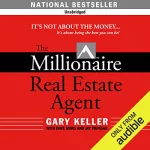
The Millionaire Real Estate Agent
About The Millionaire Real Estate Agent
The Millionaire Real Estate


Table of Contents
- The Reality of Building $1M in Real Estate
- The Foundation: Building Your Real Estate Success Blueprint
- Path 1: Making $1 Million Through Real Estate Sales and Brokerage
- Path 2: Building $1 Million in Real Estate Assets
- Three Paths to $1 Million — Which One's Right for You?
- The Aggressive Savings and Investment Strategy
- Critical Success Factors and Business Building
- Real-World Case Study: A 7-Year Wealth Building Journey
- Common Pitfalls and How to Avoid Them
- Action Plan: Your First 12 Months
- Conclusion: Your Path to $1 Million Starts Today
- Frequently Asked Questions
Most people think you need a rich uncle or a decade of pure luck to build a million-dollar real estate portfolio. Wrong. The truth is way more systematic than that. Thousands of investors and agents hit the $1 million mark every single year — and they're not getting lucky. They're following repeatable strategies grounded in solid financial principles and disciplined execution. So if you've been hunting for a real answer to how to go from 0 to 1 million in real estate, here it is: the honest blueprint covering what's actually required, realistic timelines, and which path matches your skills and capital.

The Reality of Building $1M in Real Estate
Here's the thing: you need to be crystal clear on what "$1 million in real estate" actually means. Are we talking about $1 million in gross commissions as an agent? Or $1 million in net assets stacked through property ownership? They're both legit goals. Both are doable in 5–7 years with the right playbook. But they demand totally different daily work, skill sets, and how you think about money.
Most serious investors hit seven figures in 5–7 years. Top performers in hot markets? They'll compress it to 3–4 years. The real pivot happens when you stop asking "How do I get rich quick in real estate?" and start building a repeatable system that compounds over time. Real estate doesn't reward shortcuts. It rewards discipline, consistency, and people who think five years ahead.
Back to topThe Foundation: Building Your Real Estate Success Blueprint
Every investor and agent who hits $1 million has one thing in common: a written plan. Not some inspirational vision board collecting dust. I'm talking about a specific, measurable business plan with annual income targets, property acquisition goals, marketing budgets broken down quarterly, and team-building timelines that actually hold you accountable.
Accept Responsibility and Define Your Edge
You know what kills most people in real estate? They blame the market. Bad economy. Bad broker. Bad timing. But the ones who actually build wealth? They take full ownership of their results — the wins and the losses. So before you spend your first dollar, write down answers to these four questions:
- What's my unique value proposition in my market?
- Do I want active income (agent/brokerage) or passive wealth (investing)?
- What's my 12-month financial target, and what activity level actually supports it?
- What personal brand am I building, and who's my ideal client or deal type?
You need granular market knowledge. This isn't optional. Dig into median price trends, days on market, inventory levels, cap rates, neighborhood-by-neighborhood appreciation data. Get specific. And then — this matters — actually use that intel before you make a move. Your local expertise becomes your competitive moat. Out-of-state investors and generic agents can't touch that.
Back to topPath 1: Making $1 Million Through Real Estate Sales and Brokerage

Here's the math that matters: average commission per transaction × number of transactions = $1 million. Most agents pulling in 2.5–3% on both sides need roughly $33–40 million in annual sales volume to hit that gross commission target. That's a lot of zeroes. But break it down by market and suddenly it's doable — in a $500,000 median price area, you're looking at 66–80 transactions per year, which a small team can absolutely handle.
Starting from scratch? The New Agent Guide: First Year in Real Estate walks you through building your pipeline from day one.
Real Estate Agent Income Progression: Year 1–5
| Year | Avg. Transactions | Avg. Commission/Deal | Gross Revenue | Typical Expenses | Net Income |
|---|---|---|---|---|---|
| Year 1 | 6–10 | $8,000 | $48,000–$80,000 | $15,000–$25,000 | $23,000–$55,000 |
| Year 2 | 15–20 | $9,000 | $135,000–$180,000 | $30,000–$45,000 | $90,000–$135,000 |
| Year 3 | 25–35 | $10,000 | $250,000–$350,000 | $50,000–$80,000 | $170,000–$270,000 |
| Year 4 | 40–55 | $11,000 | $440,000–$605,000 | $90,000–$130,000 | $310,000–$475,000 |
| Year 5 | 60–80 | $12,000 | $720,000–$960,000 | $150,000–$220,000 | $500,000–$740,000 |
Consistent lead flow at scale requires smart marketing spend. The Real Estate Marketing Budget: How to Allocate by Strategy guide shows you how to split budget across digital, referrals, and traditional channels. Early in the game? Check out the 6 Best Places to Buy Real Estate Leads in 2025 to supplement what you're growing organically.
The Spokes-in-the-Wheel Model
Million-dollar agents don't put all their eggs in one basket. They build multiple lead sources — referrals, digital, sphere of influence, open houses, expired listings, past clients — all flowing into a single CRM hub. The Millionaire Real Estate Agent made this framework famous, and it's still the blueprint today. And here's what most agents are sleeping on: AI tools for real estate automate your follow-ups, nurture sequences, and market analysis. It's a genuine edge.
Build a team as soon as cash flow allows. Solo? You'll max out around 30–40 transactions annually. Add a buyer's agent and transaction coordinator instead. Volume can double or triple without burning you out.
Back to topPath 2: Building $1 Million in Real Estate Assets

This path is about stacking equity, cash flow, and appreciation until you hit that magic $1 million net worth mark. It's different from wholesaling or flipping—you're not chasing commissions. Instead, you need real financial discipline, patience, and the analytical chops to run the numbers cold.
Property Investment Math: Real Numbers
| Property Type | Purchase Price | Down Payment (20%) | Monthly Rent | Monthly Cash Flow | Annual Appreciation (4%) | 5-Year Net Worth Gain | 10-Year Net Worth Gain |
|---|---|---|---|---|---|---|---|
| Single-Family Rental | $250,000 | $50,000 | $1,800 | $200 | $10,000 | $104,000 | $242,000 |
| Small Multifamily (4-unit) | $550,000 | $110,000 | $5,200 | $650 | $22,000 | $233,000 | $538,000 |
| House Hack (Owner-Occupied Duplex) | $320,000 | $16,000 (5% FHA) | $1,500 (tenant side) | $800 savings | $12,800 | $117,000 | $278,000 |
| BRRRR Property | $150,000 | $30,000 + $40K rehab | $1,600 | $350 | $8,000 | $98,000 | $218,000 |
The BRRRR Strategy for Accelerated Equity Building
Got limited capital? BRRRR (Buy, Rehab, Rent, Refinance, Repeat) is arguably the most powerful wealth-building tool you can deploy right now. Here's why: instead of parking $50K in a single property and watching it sit there for a decade, you recycle that capital across multiple deals. You get your money back out, the property stays on the books generating cash flow, and you're ready to acquire deal number two.
Dive into the full breakdown in BRRRR Real Estate Method: Secrets to This Top Buy and Hold Strategy. And learn exactly how a cash-out refinance unlocks equity for your next acquisition.
But here's the critical decision: BRRRR versus flipping. Flipping pays you today—active income, quick checks, ego boost. BRRRR pays you forever. One builds cash, the other builds an asset base that compounds. If you're serious about hitting $1 million in net worth, BRRRR and buy-and-hold aren't optional. Ready to source deals? Start with how to find BRRRR property deals.
House Hacking and Syndications
House hacking is the easiest door in. Buy a duplex or fourplex with an FHA loan—just 3.5% down—move into one unit, rent the others, and let tenant income cover most or all of your mortgage payment. Stay for 12–24 months, then convert to a full rental and repeat. You're building equity while living nearly free.
Syndications work differently.
You've got $50K to $100K burning a hole in your pocket but zero appetite for tenant calls and evictions? Multifamily syndications give you institutional-grade assets with projected annual returns between 8% and 15%. No management headaches. Passive income. Platforms like Arrived Homes even let you start smaller with fractional shares.
The market you choose matters as much as the strategy itself. Which metros actually pencil out? The 10 best BRRRR markets for real estate investment shows you where price-to-rent ratios, appreciation velocity, and landlord-friendly laws actually align.
Back to topThree Paths to $1 Million — Which One's Right for You?
| Path | Timeline | Capital Required | Active Time/Week | Avg. Annual Income | Risk Level | Wealth Type |
|---|---|---|---|---|---|---|
| Real Estate Sales/Brokerage | 5–7 years | $5,000–$20,000 | 50–60 hrs | $150K–$500K+ | Medium | Active income |
| Buy and Hold / BRRRR | 7–10 years | $30,000–$100,000 | 5–20 hrs | $30K–$80K (cash flow) | Medium-Low | Net worth / passive |
| Syndications / Passive | 8–12 years | $50,000–$200,000 | 1–5 hrs | $15K–$60K (distributions) | Low-Medium | Passive income |
The Aggressive Savings and Investment Strategy
Here's the hard truth: your savings rate is the engine. It doesn't matter which path you pick—the speed at which you build wealth depends entirely on how much you reinvest. Most advisors will tell you 15–20% is enough. It's not. To hit $1 million in 7 years, you're looking at 30–50% of net income going straight into wealth-building assets. That's non-negotiable.
Before you buy a single property, lock in 6–12 months of expenses in an emergency fund. Skip this step and you're playing with fire. One tenant disaster, a $15K foundation crack, or a slow sales quarter forces you to sell assets when the market's against you. And that's a nightmare scenario.
Once that cushion exists, automate everything. Set it up once with your brokerage or bank account. Stop making the decision monthly—let the system run.


Tax strategy separates the wealthy from everyone else. Real estate investors should be stacking depreciation deductions, using 1031 exchanges to defer capital gains indefinitely, and running cost segregation studies on commercial deals to front-load deductions. Agents pulling six figures? You can contribute up to $66,000 into a SEP-IRA in 2024. Structure your entity (LLC or S-Corp) correctly and you'll slash self-employment tax exposure. But here's what matters most: find a CPA who actually understands real estate. That one relationship can put six figures back in your pocket over seven years.
Want to accelerate your capital? Understanding wholesale vs. wholetail strategies and assignment contracts in real estate opens alternative income streams that compress your timeline significantly.
Back to topCritical Success Factors and Business Building
I've looked at hundreds of agents and investors who've hit $1 million-plus. Four things show up every single time: a written business plan, accountability systems, team leverage, and obsessive metric tracking.
Track Every Metric That Matters
What gets measured gets managed. That's not motivational nonsense — it's how money gets made. Agents need to track contacts per day, leads per week, appointments set, listings taken, contracts written, closings completed, and marketing spend per closed deal. For investors, it's different: cap rate by property, cash-on-cash return, vacancy rate, debt service coverage ratio, and portfolio total equity monthly.
And here's the thing — use the 70% rule for real estate investing as a quick filter for every deal. It stops you from overpaying. It protects your margins. Then get serious about entity structure and insurance. The framework in asset protection for real estate investors shows you exactly how.
The FOCUS Principle
Follow One Course Until Successful. You want to know why so many talented people stall out at $200,000–$300,000? They're flipping one month, wholesaling the next, jumping into agent work, then chasing syndications. They never stay in one lane long enough to build real momentum. Pick your primary path, commit for at least 24 months, and stop chasing shiny objects. That's it.
Back to topReal-World Case Study: A 7-Year Wealth Building Journey
Here's what actually happens when you stay disciplined:
- Year 1: Licensed agent + first house hack duplex. Agent income: $45,000. Duplex equity: $20,000. Total net worth: $35,000.
- Year 2: 18 transactions. Added first BRRRR rental. Agent income: $120,000. Total net worth: $115,000.
- Year 3: Hired first buyer's agent. Added second BRRRR rental. Agent income: $210,000. Total net worth: $260,000.
- Year 4: Team producing 40 transactions. Portfolio at 4 units. Net worth: $480,000.
- Year 5: Team at 55 transactions. Syndication investment: $75,000. Net worth: $720,000.
- Year 6: Full team. 6 rental units. Net worth: $920,000.
- Year 7: $1,050,000 net worth. Multiple income streams: team overrides, rental cash flow, syndication distributions.
And before you think this is some fantasy — it's not. This is a conservative model. You're saving aggressively, reinvesting consistently, and building systems instead of just working yourself to death every single year. The difference between people who hit $1M and those who don't? It's not luck. It's the systems.
Back to topCommon Pitfalls and How to Avoid Them

Most investors fail in predictable ways. You'll recognize yourself in at least one of these mistakes.
- Lifestyle inflation: That promotion hits, and suddenly you're financing a Range Rover. But every dollar of new income should go straight back into deals, not car payments. Agents who upgrade their lifestyle after year two? They rarely build real wealth. The ones who stay hungry do.
- Premature scaling: You close three deals, so you hire a team. Wrong move. Overhead kills young businesses before they gain momentum. Build your own pipeline first. Master your production. Then scale.
- Wrong market selection: You found properties at $85 PPSF in a rust-belt town. Prices are cheap, but appreciation is dead and vacancy's running 15%. That kills your cash flow projections fast. Study the fundamentals — job growth rates, population migration patterns, landlord regulations — before you commit a dollar.
- Skipping the business plan: Operating month-to-month without direction keeps you stuck under $100K annually. It's a ceiling you won't break. A written plan reviewed quarterly? That changes everything.
- Ignoring downside protection: One lawsuit, one catastrophic claim, one market correction wipes out five years of progress if you're not protected. Set up proper LLC structuring. Get real insurance coverage. Keep cash reserves. Don't gamble with what you've built.
Action Plan: Your First 12 Months

Here's what a working quarterly plan actually looks like:
Months 1–3: Planning and Preparation
- Write your business plan — spell out your annual income targets and asset goals with real numbers
- Build your 6-month emergency fund if you haven't already
- Pick your lane: are you running deals as an active agent or staying passive?
- Pick your market and get deep into the data on it
- Get your CRM running, set up your accounting, and create an LLC if the deal structure calls for it
Months 4–6: Foundation Building
- Agents: Spin up lead gen across 3–4 channels at the same time
- Investors: Screen 50+ deals using the same underwriting criteria every time
- Build your brand on at least two platforms where your prospects actually hang out
- Make your first offer. Or better — close your first deal.
Months 7–9: Initial Momentum
- Pull your KPIs and figure out what's actually converting
- Agents: Lock in your first referral partners or bring on a buyer's agent if the volume's there
- Investors: Close deal one and execute your refi strategy immediately
- Every dollar you make? Roll it back into the business or into your next deal
Months 10–12: Scaling and Systematic Review
- Do a full financial audit against your Month 1 targets
- Use the actual data to build your Year 2 plan
- Hire one team member or launch one revenue stream you don't currently have
- Book quarterly check-ins with your mentor or mastermind — and actually show up
Conclusion: Your Path to $1 Million Starts Today
Here's the reality: building $1 million in real estate isn't some pipe dream. You're either going the brokerage route for earned income or stacking net worth through investing — and both work. The difference between the dreamers and the millionaires? Discipline. Most committed investors hit seven years. The aggressive players? Five years, sometimes less. But that's only if you're building teams early, reinvesting every dollar, and executing without hesitation.
Two decisions matter most. First, pick your path — the one that actually fits how you work and think. Second, don't bounce around. Commit long enough for compounding to actually happen.
Real estate doesn't reward the guy grinding 80-hour weeks one quarter then taking three months off. It rewards the person who shows up consistently, through market ups and downs, quarter after quarter, year after year. Pick your strategy. Build your plan. Track the numbers religiously. And stay in the game.
The $1 million milestone isn't luck. It's what happens when you do the work.
Write out your business plan this week. Not next month. This week.
Back to topFrequently Asked Questions
How long does it realistically take to reach $1 million in real estate?
Most committed investors hit $1 million in 5–7 years. That's whether you're stacking net worth through properties or accumulating $1 million in gross commissions as an agent. The timeline compresses to 3–4 years if you've got strong systems, a hot market, and you're executing at a high level. But if you're running this part-time? Expect closer to 8–10 years.
Do I need a lot of money to start investing in real estate?
You don't need much. House hacking with FHA financing can happen with just 3.5% down on a duplex. BRRRR deals usually need $30,000–$70,000 for your first flip. Want to get into sales? Budget $5,000–$20,000 for licensing and launch costs. The real issue isn't capital — it's whether you'll actually start instead of waiting for some perfect moment that never comes.
Is it better to be a real estate agent or investor to reach $1 million?
Do both. That's honestly the fastest path. Successful operators use commission checks from agent work to fund their investment portfolio. You're collecting active income while building passive wealth at the same time. Sure, pure investors can hit $1 million in net assets without selling anything — but the timeline gets longer. And you're leaving money on the table.
What's the biggest mistake people make trying to build wealth in real estate?
Strategy-switching. Full stop. Most people who fail jump from flipping to wholesale to rentals to commercial every 12–18 months without ever mastering one lane. You never build systems. You never build momentum. You never get to the compound effect. Pick your path. Commit to it for at least two years before you even consider switching.
How important is market selection when investing in real estate?
Market selection matters more than skill. A mediocre investor in a strong market (population growing, job creation happening, landlord-friendly laws) beats an excellent investor in a declining area every single time. Look for metros with annual population growth above 1%, rising median incomes, and diverse economic bases. And avoid anywhere the price-to-rent ratio makes cash flow impossible without landing unicorn deals.
Back to top