

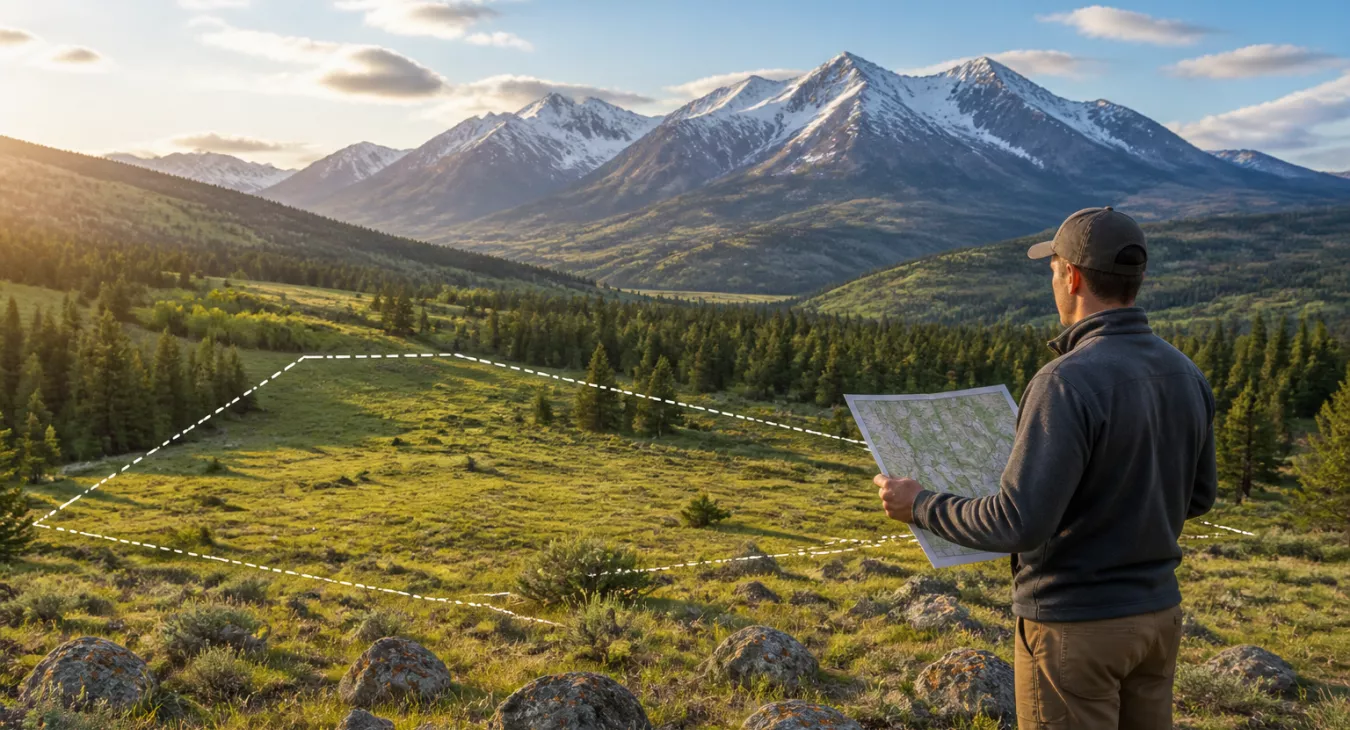
Find land for sale in Colorado with our complete search strategy. Discover platforms, pricing, financing, and legal tips to close successful deals.
Products and Tools Mentioned in this Post

Propstream
Detailed information on Propstream. Get How-To's, reviews, Comparisons, and much more.
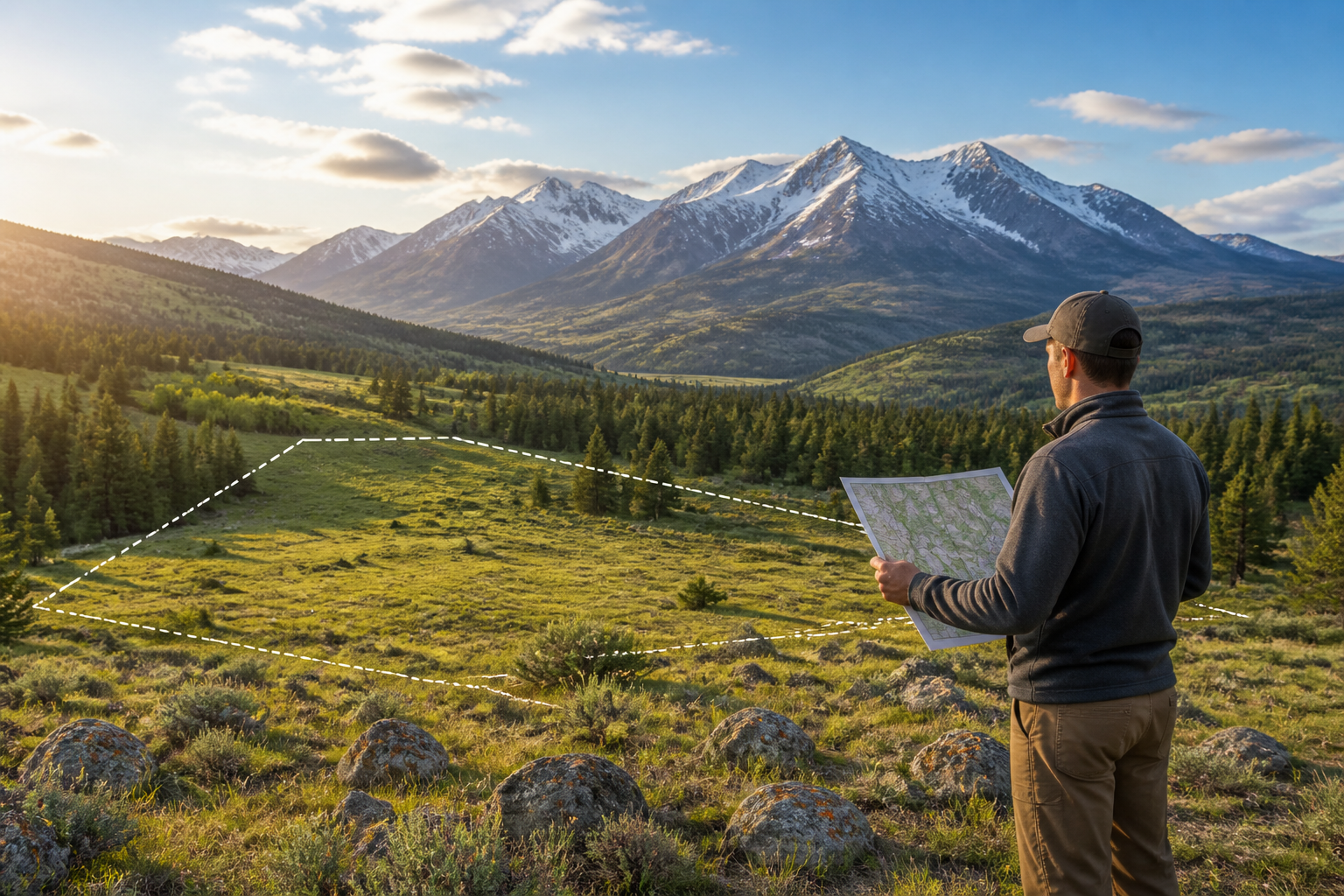
Table of Contents
- Understanding the Colorado Land Market
- Regional Price Overview
- Step-by-Step Process for Finding Land
- Best Platforms and Resources for Land Search
- Colorado-Specific Legal Considerations
- Financing Land Purchases in Colorado
- Working with Real Estate Professionals
- Due Diligence Checklist for Colorado Land
- Finding Affordable and Off-Market Land
- Common Mistakes to Avoid
- Next Steps After Finding Land
- Conclusion
- Frequently Asked Questions
Colorado's land market is wild. You've got high-desert plains trading hands for pennies on the dollar compared to national averages, then turn around and see resort-area parcels hitting prices that make Manhattan look cheap. Are you hunting for agricultural cash flow, developing on the Denver metro fringe, or moving buyer inventory as an agent? Here's the thing — finding land in Colorado isn't just about firing up Zillow and calling it a day. This guide covers the actual strategy: which platforms work, how regional price dynamics swing the deal, what financing actually looks like on the ground, the Colorado-specific legal landmines you need to know about, and the due diligence that separates winners from people who just lost serious money.
Back to topUnderstanding the Colorado Land Market
Current Market Pricing
Colorado's statewide median listed price sits around $11,340 per acre as of 2026. But here's the thing — that number hides dramatic regional swings. You'll see completely different numbers depending on where you're looking.
On the agricultural side, the story gets specific fast. 2024 USDA NASS data showed irrigated cropland averaging $6,620 per acre, while non-irrigated dryland came in at $1,950 per acre — a 3.4x difference. The most recent numbers? 2025 USDA NASS bumped the statewide average cropland figure to $5,820 per acre, up 4.0% from 2024.
And ranchland's been on a tear. Across the USDA Tenth District (Colorado, Kansas, Nebraska, Oklahoma, Wyoming, and parts of New Mexico and Missouri), ranchland values jumped roughly 11% year-over-year as of Q1 2026.
Types of Land Available
Colorado's got four distinct land buckets. Each one plays by different rules and drives value differently:
- Agricultural land: Cropland (both irrigated and dryland) plus pasture scattered across the Eastern Plains and San Luis Valley. You're looking at rental income here. 2025 irrigated cropland cash rents range from $32/acre in Park County to $262/acre in Yuma County according to CSU Extension and USDA NASS — that's an 8x spread depending on your location and soil quality.
- Recreational land: Hunting, fishing, and mountain properties clustering in the foothills and Western Slope. Water access, wildlife density, and proximity to public lands? Those drive the cap rate here.
- Residential land: Raw lots and subdivision parcels for home construction. You'll find the density in the Denver metro corridor and mountain communities where builders need inventory.
- Commercial and development land: Entitlement-ready parcels near growth corridors — mostly Front Range and I-25 corridor plays.
Nailing down which category matches your investment thesis is your first filter. It determines your search platforms, what financing actually exists, and how deep your due diligence needs to go.
Back to topRegional Price Overview
Colorado's not one market. It's five completely different ones. Geography here creates price swings so massive that what you'd pay for an acre in the foothills could buy you 30+ acres on the Eastern Plains. The data below shows you exactly what we're talking about — 2026 verified listing prices broken down by region.
| Region | Land Type | Price Range Per Acre (2026) | Key Drivers |
|---|---|---|---|
| Eastern Plains | Agricultural / Rural | $1,200–$1,600 | Dryland farming, low infrastructure cost |
| San Luis Valley | High-Desert / Agricultural | $1,200–$3,000 | Water availability, altitude, growing season |
| Mountain Foothills | Recreational / Residential | $10,000–$40,000+ | Scenic value, proximity to Front Range cities |
| Denver Metro Suburbs | Development-Ready | $45,000–$500,000+ | Entitlements, utilities, growth corridor |
| Resort Communities (Aspen, Telluride, Vail) | Luxury Residential | $500,000–$2,000,000+ | Scarcity, brand, short-term rental potential |
You need a target region locked down before you even start searching. This isn't optional. Without it, you're wasting time chasing deals that don't fit your strategy or your numbers.
Back to topStep-by-Step Process for Finding Land

Step 1: Define Your Land Use Purpose
Before you even open a listing platform, get specific. What'll this land actually do for you? How fast do you need to execute? What's your exit? An investor buying Eastern Plains dryland farming for steady cash flow plays by completely different rules than a developer subdividing Front Range parcels. Your use case determines everything—which regions make sense, where you hunt for deals, and what due diligence hits the must-have list. If you're thinking about land as part of a bigger portfolio strategy, check out Land Investing: Terms, Deals & Strategy Guide. Make sure your terminology and deal structures are built for land specifically.
Step 2: Establish Your Budget Including All Carrying Costs
Raw land isn't cheap to hold. Colorado assesses vacant land at 26% of actual value for property tax purposes (tax year 2026). Agricultural land gets a better deal—assessed at 25% of actual value under SB24-233, and that rate's locked in now. And don't forget the annual grind: property taxes, loan payments if you financed it, maintenance. Bake all this into your budget before you pin down a price range.
Step 3: Choose Your Search Channels
One platform won't cut it. You've got to hunt across multiple channels at the same time—especially in Colorado, where rural deals and off-market inventory hide from the mainstream MLS.
Back to topBest Platforms and Resources for Land Search

Major Online Marketplaces
Not all land platforms are created equal. Each one owns a different slice of the market — and knowing which one to dig into depends on what you're actually looking for.
- Land.com and LandWatch: If you're hunting outside city limits, start here. Rural, agricultural, and recreational land? These platforms have the deepest inventory by far. Filter by acreage, water features, mineral rights, and price per acre. You won't find better tools for rural deals.
- Zillow and Realtor.com: Metro areas and development-ready parcels. The MLS integration means agent-listed properties fill these platforms, which is great if you want verified data but weak if you're chasing raw land past the suburbs. Rural inventory dries up fast here.
- LandModo and Lands of America: Think of them as aggregators. Multiple sources feed into one place, so coverage is broader — though the filtering options aren't quite as sharp.
- LoopNet and CoStar: Commercial land, industrial sites, and serious development parcels belong here. You need institutional-grade data for deals at this scale.
But here's the real secret: the best deals never hit listing sites. Off-market opportunities consistently offer better pricing. Run direct mail campaigns, pull lead lists through PropStream (check out The Best PropStream Lists for Wholesalers, Flippers, Agents and Landlords), and work county assessor data hard. You'll find motivated sellers before they list anywhere else.
Colorado State Land Board
2.8 million surface acres. 4 million mineral acres. All held in trust for public schools, and all managed by the Colorado State Land Board. The Board sells parcels and offers long-term leases through an active listing on their website. And here's what most investors miss: these state sales often get overlooked because people fixate on private listings. Strategic locations can deliver genuine value if you know where to look.
Government and County Resources
Colorado's 64 county assessor websites are free. Searchable by owner name, parcel ID, and acreage. This matters because absentee owners signal motivation — a core indicator you're looking for. Pair assessor data with the USDA Farm Service Agency's agricultural records and the Bureau of Land Management's mapping tools for properties adjacent to public land. If farmland's your angle, 7 Essential Maps to Find the Best Farmland in the U.S. lays out a structured geographic approach that translates directly to Colorado's agricultural regions.
Back to topColorado-Specific Legal Considerations
The Senate Bill 35 Threshold
Here's a number you need to memorize: 35 acres. Under Colorado Senate Bill 35 (C.R.S. 30-28-101), which has been law since May 5, 1972, anything at or above 35 acres can be divided without county subdivision review. Think about that — you can split a 70-acre parcel into two 35-acre pieces and skip the formal subdivision process entirely. That's a massive time and cost savings. But go below 35 acres, and you're triggering county platting requirements that vary wildly depending on where you're investing. Always call the county planning department directly to confirm their specific rules. Local overlay regulations can shift things around.
Water Rights: Colorado's Most Complex Variable
Colorado operates under Prior Appropriation doctrine. "First in time, first in right." And here's the kicker: water rights don't automatically come with land ownership in Colorado. You could own 100 acres sitting right on the Arkansas River and have zero legal right to use a single drop. Before you make an offer, you need to verify three things — does the property have deeded water rights, what's the decree volume, and what's the priority date?
The numbers tell you why this matters so much. C-BT Project water in northern Colorado hit approximately $85,000 per acre-foot in 2025, down from $101,000 in 2022 but still brutal. General irrigation rights? You're looking at $5,000 to $50,000 per acre-foot depending on priority date and decree volume. If reliable water supply is part of your business plan, groundwater access becomes equally important. We've built a structured methodology for this — see our detailed resource on how to find available water and check aquifer access.
And don't assume you can drill a domestic well anywhere. Colorado has locked down certain basins to new exempt well permits. Confirm well permitting availability with the Colorado Division of Water Resources before you commit to any parcel lacking existing water infrastructure.
Zoning: Jurisdiction-Specific, Not Standardized
Colorado has no statewide zoning standard. County and municipal jurisdictions set their own codes. An "A-1" designation in Jefferson County means something completely different than in Weld County. Get the actual zoning ordinance from the relevant jurisdiction and dig into the specifics — permitted uses, minimum lot sizes, setback requirements, overlay districts like floodplain or wildfire hazard zones. These restrictions can kill a deal if you're not paying attention. Call the county planning department directly instead of trusting listing descriptions.


Financing Land Purchases in Colorado

Land financing isn't residential mortgage financing. Most first-time land buyers miss this distinction entirely. You won't find a conventional 30-year loan for raw land — not anywhere. Here's what you're actually looking at in today's market:
| Loan Type | Down Payment Required | Interest Rate (2026) | Best For |
|---|---|---|---|
| Raw Land Loan (bank/credit union) | 25%–50% | 6.5%–10% | Unimproved parcels, no utilities |
| Improved Land / Lot Loan | Typically lower than raw land | 1–3 pts above conventional mortgage | Parcels with utilities, road access, entitlements |
| Owner/Seller Financing | Negotiable (often 10%–20%) | Negotiated; often competitive | Off-market deals, rural parcels |
| Cash Purchase | N/A | N/A | Maximum negotiating use, fastest close |
| HELOC / Equity Loan | N/A (secured by existing property) | Varies with prime rate | Investors with existing equity |
The conventional 30-year mortgage was sitting at 6.49% the week of July 9, 2026 according to Freddie Mac. But raw land loans? They'll cost you 1 to 3 percentage points more than that baseline. Plan on paying 7.5%–9.5% for unimproved acreage. And closing costs aren't cheap either — expect 2%–4% of the loan amount in Colorado. Here's the good news: Colorado doesn't charge a state-level real estate transfer tax. The documentary recording fee is just $0.01 per $100 of consideration. That's basically rounding error.
Already sitting on rental or investment property? A HELOC might be your smartest capital move for land acquisition. Check out our HELOC for Rental Property: Calculator and Complete Strategy Guide — it breaks down exactly how to structure this approach. Raw land won't work with assumable mortgage strategies, but if you're also hunting residential deals alongside your land play, understanding assumable mortgage opportunities still fits into your broader capital deployment toolkit.
Back to topWorking with Real Estate Professionals
Choosing a Colorado Land Specialist
Your typical residential agent won't cut it for land deals. Water rights, soil types, agricultural lease structures, subdivision law, rural infrastructure—these aren't skills most residential agents ever pick up. You need someone who actually knows the game.
Look for these credentials when vetting a Colorado land agent:
- Active membership in the Realtors Land Institute (RLI) or the Accredited Land Consultant (ALC) designation
- A verifiable track record of closed land transactions in your target region
- Familiarity with Colorado water law and county-specific zoning ordinances
- Access to both MLS listings and off-market deal flow through local networks
Questions to Ask Before Engaging an Agent
- How many land parcels have you closed in this county in the past 24 months?
- Do you have relationships with local water attorneys and land use planners?
- How do you source off-market opportunities, and will you share those with buyer clients?
- What's your commission structure, and who pays it in a land transaction?
- Are you familiar with the SB 35 exemption and how it affects parcel splits in this county?
But here's the thing: if you're an investor who likes working deals before bringing in an agent, don't sleep on the strategies in How to Find Wholesale Real Estate Deals: 12 Lead Sources. Driving for dollars, absentee owner lists, and county record mining work just as well for land acquisition as they do for residential wholesale.
Back to topDue Diligence Checklist for Colorado Land
Most competitors skip the hard stuff here. Colorado land has specific gotchas that don't show up on residential deals — and you need to know them before you write a check.
- Title search and title insurance: You've got to confirm the full chain of title, spot any easements, encumbrances, or deed restrictions hiding in there. Hire a Colorado-licensed title company that actually knows rural land — not just cookie-cutter residential closings.
- Survey: Don't cheap out on this. An ALTA/NSPS survey pins down your exact boundaries, catches encroachments, and finds easements that never made it into public records. Old surveys on rural parcels are basically worthless — fence lines shift, legal descriptions don't match reality.
- Water rights verification: Call the Colorado Division of Water Resources (DWR) and pull that water rights decree yourself. Make sure the rights aren't in limbo and that they actually transfer to the new owner.
- Well and septic status: Existing infrastructure looks good until it doesn't. Get well logs and pump test results. Then verify septic permits with county environmental health — there's no guessing on this.
- Access verification: This kills deals. Confirm you've got legal access — either a deeded easement or direct road frontage. Landlocked parcels exist in Colorado, and they're a nightmare for investors.
- Mineral rights: Ask if the seller owns mineral rights and whether they transfer with the sale. Severed mineral rights are everywhere in Colorado and they can seriously limit your surface use rights.
- Environmental assessment: Any parcel with a history of agriculture, industrial use, or commercial activity? Order a Phase I ESA before closing. It's cheap insurance.
- Flood and wildfire hazard mapping: Check FEMA flood zone status and the Colorado Division of Fire Prevention's wildfire hazard rating. Here's the thing — raw land isn't covered under the National Flood Insurance Program, so flood risk hits your land value and development potential, not insurance premiums. But it matters for your ARV.
- Zoning confirmation: Get zoning in writing straight from the county or municipality. Don't trust the listing agent's word — ever.
If you're hunting farmland specifically, the essential farmland maps resource shows you soil quality, drainage patterns, and conservation easement overlays that move the needle on long-term value.
Back to topFinding Affordable and Off-Market Land
Off-Market Strategies That Work in Colorado
Here's the truth: the best land deals never hit Land.com. You need systematic prospecting to find them.
- County assessor data: Filter for absentee owners — especially out-of-state holders of rural Colorado parcels. These investors have zero emotional attachment and they're motivated to move product.
- Tax delinquency lists: When property taxes go unpaid, you've found a motivated seller signal. Colorado counties handle tax sales individually, so contact your county treasurer directly for the current delinquency data.
- Estate and probate records: Heir-owned land almost always sells below market. Why? Because three cousins across the country can't agree on anything. That said, approach these ethically — you're looking for a fair transaction, not taking advantage of family drama.
- Direct mail to large parcel owners: Target the owners holding 10–100 acres in your target county. The response rate's terrible, but the deals that do come in? Those are real opportunities.
- Local networking: Colorado's rural land market runs on relationships. Show up at Farm Bureau meetings, county ag extension events, and land auctions. That's where the off-market referrals actually come from.
Market Timing Considerations
Spring and summer are peak listing season in Colorado. Properties look great, and sellers are chasing buyer demand. But here's what you need to know: winter listings in mountain and rural areas signal more motivated sellers. You've got real negotiating room.
Agricultural land operates on its own timeline.
Fall transactions spike right after harvest when farm operators are crunching numbers for the year ahead and deciding whether to hold or sell.
Back to topCommon Mistakes to Avoid

- Assuming water follows the land: It doesn't in Colorado. This is the single biggest due diligence failure we see—buying a parcel without understanding its water rights or whether it has any. You could own raw land worth $50K PPSF and have zero water access.
- Skipping the survey: Fence lines and legal boundaries don't match on rural Colorado properties. Ever. An outdated survey from 1987 isn't going to tell you where your boundaries actually sit today.
- Underestimating development costs: Utilities, roads, septic systems—bringing infrastructure to raw land in remote areas can cost more than the land itself. Get three contractor quotes before you lock in an offer price. Really.
- Ignoring mineral rights severance: Prior owners sometimes severed mineral rights from the surface. That means oil, gas, or mining operations could affect how you use your land. Always verify mineral estate status in the title search before closing.
- Over-relying on listing descriptions for zoning: Agents and sellers aren't always accurate about zoning or permitted uses—sometimes intentionally, sometimes not. Call the county planning department yourself and confirm what you can actually build.
- Failing to account for closed basin well restrictions: Some Colorado basins are closed to new exempt well permits. If your parcel doesn't have existing water infrastructure, you need to confirm well permitting status before you even sign a contract.
Next Steps After Finding Land
Making a Strong Offer
Your Colorado land offer needs teeth. That means contingencies for financing (if you're not all-cash), title review, survey completion, water rights verification, and zoning confirmation. And here's the key: give yourself 30 to 60 days for due diligence on rural parcels. That timeline lets you complete everything properly without rushing.
Don't let a seller push you into compressing your due diligence window on a complex rural deal. It's not worth it.
Title, Closing, and Final Steps
Find a title company that actually knows Colorado rural land. Not just any title shop — one with real experience in your county's quirks and issues. Make sure your title policy covers water rights problems and easement claims. You need that protection spelled out before you close.
Schedule a final walkthrough before closing to confirm nothing's changed on the ground since you signed the contract. Colorado handles closings through title companies, not attorneys, but here's my advice: hire a Colorado water law attorney to review your water rights docs anyway. On agricultural or rural parcels, that's money well spent.
Looking at distressed or bank-owned land? Check out How to Make Offers on Bank REO Properties for the negotiation playbook that actually works.
Back to topConclusion
Finding land for sale in Colorado isn't a one-channel game. It rewards systematic preparation. The price spread tells you everything—from $1,200-per-acre Eastern Plains parcels all the way up to $2 million-per-acre resort-area lots. That's not a typo. Your region and use case make or break the deal.
Start with a clear investment thesis. What're you actually building here? Then use multiple search channels—including off-market sources that most investors never tap. And here's the kicker: Colorado water rights demand dedicated legal attention. Don't cheap out on this one.
Build your due diligence checklist before you submit that first offer. Bring in land-specialist agents when the deal size justifies it. They pay for themselves on complex transactions. Finance realistically too. Expect higher down payments and rate premiums above conventional mortgages. That's just the cost of doing business in the sector.
Done right? Colorado land delivers durable investment value across agricultural, recreational, and development plays.
Back to topFrequently Asked Questions
what's the cheapest land per acre in Colorado right now?
Looking at 2026 numbers, your best bet for rock-bottom acreage is the Eastern Plains. Powers, Cheyenne, Washington, Costilla, and Alamosa counties are where you'll find rural and agricultural land at $1,200 to $1,600 per acre. The San Luis Valley brings similar deals — $1,200 to $3,000 per acre for high-desert parcels. But here's the catch: those prices exist for a reason. Limited water and distance from any real infrastructure mean you're looking at significant development costs. Plan accordingly.
Do water rights automatically transfer with land in Colorado?
No. Don't assume they do. Colorado's Prior Appropriation doctrine treats water rights as a completely separate legal interest from the land itself. That means they've got to be explicitly deeded over during the transfer — or they stay with the seller. Before you close on anything, especially ag or rural land, verify what water rights (if any) actually come with the parcel through the Colorado Division of Water Resources. And honestly? Bring a Colorado water law attorney into this conversation. It'll cost you a few hundred bucks and save you from a six-figure mistake.
How much down payment do I need for a raw land loan in Colorado?
You're looking at 25% to 50% down for raw land loans in Colorado right now. The higher end kicks in if the parcel has no utilities or road access — which immediately makes it less attractive to institutional lenders. This is brutal compared to residential mortgages. That's why savvy investors gravitate toward cash deals or owner financing in rural markets, where banks aren't exactly competing for business anyway.
what's the 35-acre rule in Colorado land sales?
Under Colorado Senate Bill 35 (C.R.S. 30-28-101), anything 35 acres or larger sidesteps county subdivision review when you divide it. This exemption has been in place since 1972 and it's a game-changer. You can split a larger parcel into 35-acre pieces without trudging through formal platting — a process that typically takes months and eats $10K to $50K in costs. And yet. County regulations often layer additional requirements on top, so don't assume the state rule is your complete answer. Call the specific county planning office first.
What are the best platforms to search for land in Colorado?
Land.com and LandWatch dominate when you're hunting rural, agricultural, or recreational acreage in Colorado. Zillow and Realtor.com have deeper coverage of residential lots and metro development parcels. But here's what separates experienced investors from the rest: off-market deals. County assessor databases, PropStream lead lists, and direct outreach to absentee owners consistently surface deals before they ever hit a listing site. And don't sleep on the Colorado State Land Board website — most investors overlook it entirely, yet it lists state trust land sales and leases that nobody else is bidding on.
Back to top