

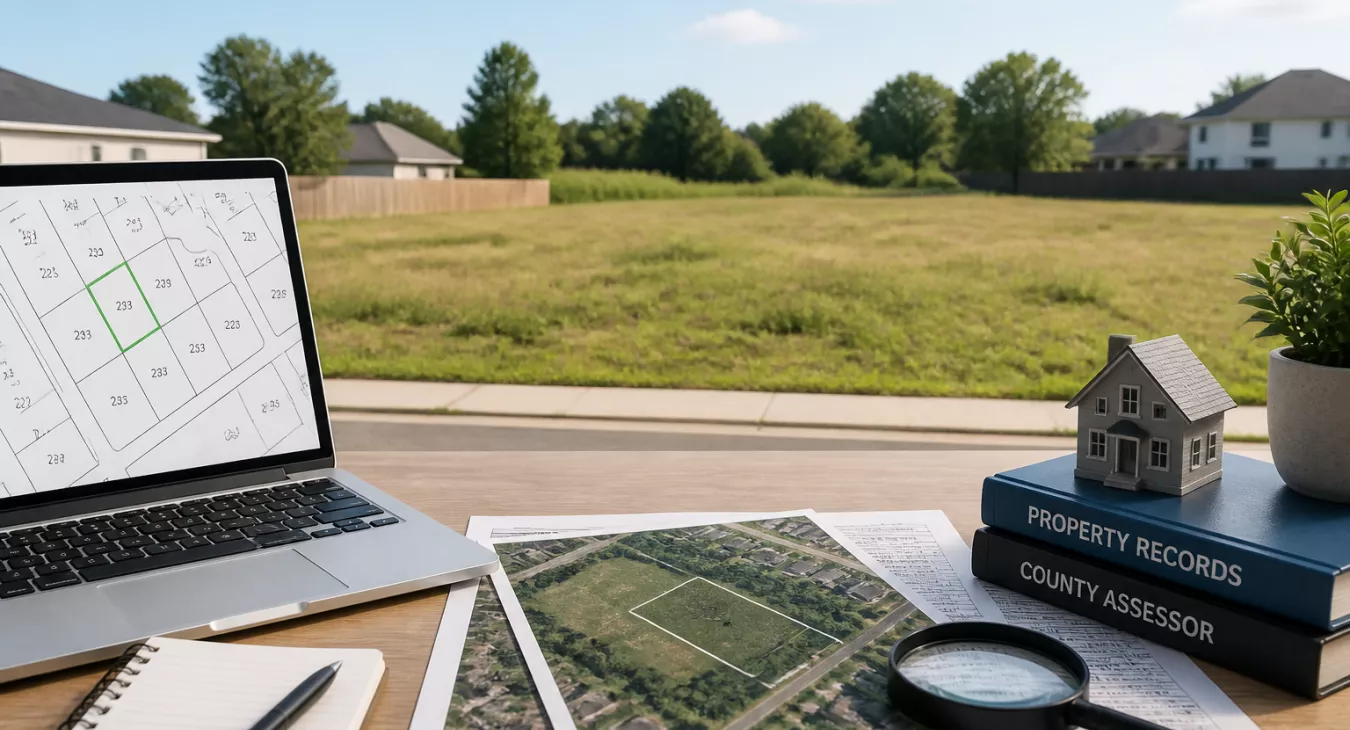
Learn practical methods to find out who owns a vacant lot. Step-by-step research techniques for investors, developers, and community leaders.
Products and Tools Mentioned in this Post

Propstream
Detailed information on Propstream. Get How-To's, reviews, Comparisons, and much more.
Table of Contents
- Why Finding the Owner of a Vacant Lot Matters
- Method 1: Check Local Government Land Records
- Method 2: Use Online Property Search Tools and Databases
- Method 3: Real Estate Agents and MLS Access
- Method 4: Direct Community Investigation
- Method 5: Professional Title and Legal Resources
- Property Owner Search Methods: A Comparison
- Challenges: When Owners Are Hard to Find
- Contacting the Property Owner: A Practical Template
- Assessing the Property Before You Pursue It
- Conclusion: Build a Systematic Approach
- Frequently Asked Questions
Vacant lots are everywhere — but figuring out who actually owns one can feel like detective work. As of 2023, CommercialCafé/PropertyShark data showed 516,980 acres of undeveloped or vacant land across the 20 most-populated U.S. cities. That's massive. And here's what really matters: research published in the American Journal of Public Health found that vacant parcels make up roughly 16.7% of large U.S. city land area on average. For investors looking to build, developers hunting infill projects, or anyone trying to understand what's happening on their block, that's an enormous pool of opportunity. But here's the problem: vacant lots don't come with a "For Sale" sign. There's no obvious point of contact. No broker showing the deal. This guide walks you through every practical method for tracking down a property owner — honestly addressing where each approach works well and where it completely falls short.

Why Finding the Owner of a Vacant Lot Matters
Your motivation matters. A lot. It's going to determine which search method actually makes sense for your situation. Investors and developers? You're probably looking to bypass the MLS and land deals off-market before anyone else sniffs them out. Community groups and city planners need to track down owners for blight cleanup or code violations. Then there's the legal side—attorneys and title companies hunting for clarity in estate disputes or litigation. Timelines are all over the map. Sometimes you'll find what you need in minutes if the county records are up to date. Other times? You're looking at weeks digging through corporate structures and probate tangles.
Here's the hard truth: there's no single national database of vacant or abandoned properties in America. Each county and state runs its own show. Don't expect a one-size-fits-all toolkit. You've got to build your process around local records and local rules instead of fighting the system.
Back to topMethod 1: Check Local Government Land Records

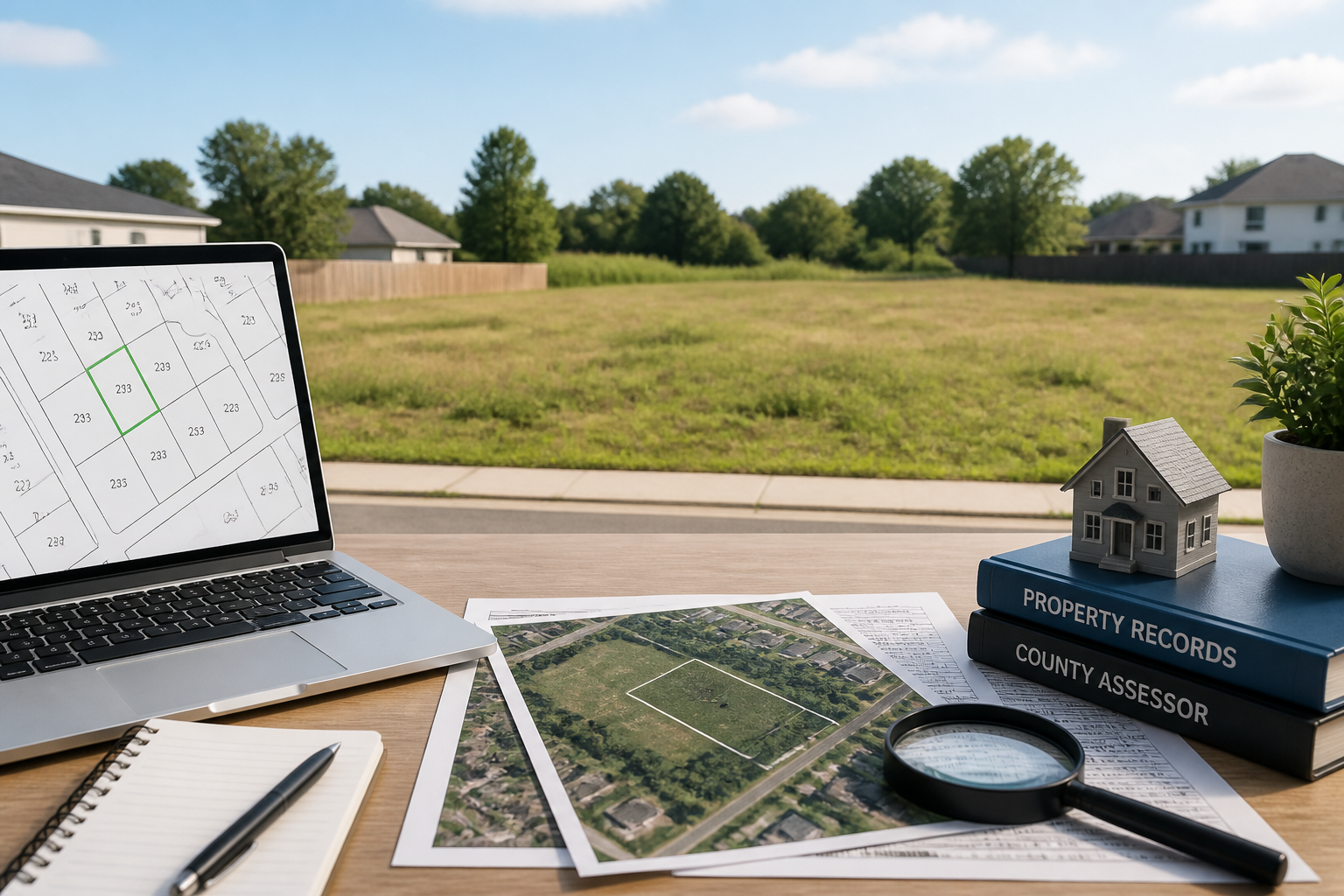
Start here. Every county in the United States maintains property records through an assessor's office, recorder's office, or both — and they're all public records you've got a legal right to access. You'll find this is often your most reliable source before you spend money on anything else.
What to Expect at the Assessor's Office
The county assessor's job is tracking property for tax purposes. A standard parcel record will give you the parcel ID number, owner name and mailing address, legal description, assessed value, taxable value, property use code, and lot size. That mailing address? It's gold. The county sends tax bills there, and it stays current even when the owner's living out of state or hiding behind a corporate entity.
And then there's the county recorder — sometimes called the register of deeds. They hold the actual recorded documents: deeds, mortgages, liens, easements. Pull the most recent deed and you'll know exactly who took title and when it happened.
How to Access Records
- In person: Walk into your county courthouse, assessor's office, or town hall with the property address (or the parcel number if you've got it). Staff can usually pull the record in minutes.
- Online portal: Most counties now offer free online parcel searches. Just search "[your county name] assessor property search" and you'll find it. Quality varies wildly — some give you full document images, others show only summary data.
- Request a copy: Need a physical deed copy? You'll pay a fee. Basic deed copies from a county recorder or clerk typically run $5–$25; certified or expedited copies cost more. Real examples: Los Angeles County charges $6.00 for the first page plus $3.00 per additional page for a certified copy (2026 fee schedule). Washington, D.C.'s Office of Tax and Revenue charges $2.25 per page for a copy, or $2.25 per document for a certified copy. Some states have moved to flat recording fees — San Juan County, Colorado charges $43.00 per document regardless of page count, effective July 1, 2025, under C.R.S. 30-1-103.
Government records are the foundation. Get the owner name and mailing address here at little or no cost first. Everything else builds on this.
Back to topMethod 2: Use Online Property Search Tools and Databases

Third-party platforms now aggregate county data and make it searchable by address, parcel number, or map. The catch? Coverage, data freshness, and pricing vary all over the place.
Free vs. Paid Tools
County websites are free and official — but let's be honest, they're a pain to navigate. Plus, the data can lag weeks or months after a sale closes. That's where platforms like PropStream, BatchLeads, LandGlide, and AcreValue come in. They license the county data and actually make it usable. You get cleaner interfaces, comparable sales data, ownership history, and skip-tracing built right in. Most paid plans run $20 to $100+ per month depending on what you need. Here's the real question: are you doing one quick lookup or running a systematic vacant-lot acquisition campaign? One-off inquiry? Hit the county site for free. Running deals regularly? A paid tool pays for itself in time saved.
Want deeper platform breakdowns? This guide to finding vacant lots for sale using data sources and strategies compares tools in detail.
Tips for Online Searches
- Search by parcel number when possible — it's unique and eliminates address ambiguity.
- Always check the "last updated" date. Ownership data can lag 60–90 days after a recent sale closes.
- Map-based search tools are your friend for vacant land — a lot often won't have a traditional street address.
- Cross-reference owner names and addresses across at least two sources before you pick up the phone.
Method 3: Real Estate Agents and MLS Access
You want fast intel? A licensed agent with MLS access beats public portals every single time. They'll pull property history, tax records, and comparable sales in minutes—not hours. And here's the real advantage: even if that vacant lot isn't listed, agents can dig into MLS history and cross-reference county data to find the owner.
Land specialists are your best bet. These agents know off-market deals, have actual relationships with landowners, and can give you realistic pricing before you spend weeks chasing cold leads. But here's the catch—not every agent knows land deals. You need someone with real experience closing vacant lot transactions in your specific market.
Running a motivated-seller play? The strategies in this guide to finding motivated sellers for free work just as well for vacant lot owners drowning in property taxes with zero income coming in.
Back to topMethod 4: Direct Community Investigation

Local knowledge wins. Neighbors, nearby business owners, and community association members usually know exactly who owns a vacant lot — or they've got intel on the previous owner and what derailed the deal. You won't find this stuff in any database. Sure, this method takes longer and feels less systematic than pulling title reports, but you'll uncover the real story: Why's it sitting empty? Did the owner try selling already? Are there development plans brewing behind the scenes? Is there family drama tied up in the deed?
Practical Steps
- Walk up and knock. Be honest about why you're asking. Most people will talk if you treat them straight.
- Hit up the local businesses. A shop owner who's been there 20 years? They know that lot's history inside out.
- Track down your neighborhood association or planning board. These folks literally monitor vacant parcels for blight and development activity.
- Look for signage — utility notices, code enforcement tags, survey stakes. Sometimes there's contact info right there on the property.
Method 5: Professional Title and Legal Resources
Your county records and free online tools can only take you so far. When you're serious about moving forward on a deal—or when the public record answers aren't adding up—you need a professional title search. It's the only way to know for certain.
What a Title Search Covers
A title company or real estate attorney digs into the chain of title, confirms current ownership, and uncovers every encumbrance on the books: liens, easements, judgments, deed restrictions. For vacant land? This step is non-negotiable. Undeveloped parcels routinely have recorded restrictions, access easements, or utility easements that won't show up in a basic county search.
What It Costs
Most standard residential title searches run $100–$200, though you might see them as low as $75 or as high as $250. But here's where it gets expensive: properties with baggage—inherited land, prior foreclosures, cloudy ownership—can run $300–$600 or more. Commercial property? Different beast. Expect $1,000 to $2,500+. And if you actually close on the deal, add title insurance to the tab—typically 0.5%–0.75% of your purchase price depending on the state.
You're just kicking tires on a vacant lot? Skip the full commitment. Ask the title company for an "ownership and encumbrance report"—an O&E report—instead. It's cheaper and gives you exactly what you need before you're in contract.
Back to topProperty Owner Search Methods: A Comparison
| Method | Time to Results | Typical Cost | Accuracy | Best For |
|---|---|---|---|---|
| County Assessor / Recorder (in person) | Same day | Free–$25 per copy | High (authoritative) | Any starting point; single-property lookup |
| County Online Portal | Minutes | Free | High, but may lag 60–90 days | Quick ownership check; parcel identification |
| Third-Party Property Platform | Minutes | $20–$100+/month | Moderate–High (aggregated) | Bulk searches; skip-tracing; investor campaigns |
| Real Estate Agent / MLS | Hours–1 day | Free (agent absorbs cost) | High | Off-market deals; serious purchase intent |
| Community Investigation | Days | Free | Variable | Contextual knowledge; relationship building |
| Professional Title Search | 2–5 business days | $75–$600+ (residential) | Very high (full) | Pre-purchase due diligence; complex ownership |
Challenges: When Owners Are Hard to Find
Your research process will hit walls. That's normal. Here's how to navigate the most common obstacles you'll actually encounter.


Absentee and Out-of-State Owners
Start with the assessor's mailing address. That's your best bet. An owner living three states away still needs their tax bill — nobody ignores that. Skip the email. Send a physical letter instead. People actually read those.
Corporate and LLC Ownership
"123 Main Holdings LLC" on the deed? You've got work to do. Dig into your state's Secretary of State business entity database — most are free. The registered agent listed there is your legal contact point. Here's where it gets tricky: some states require member or manager names in formation documents. Others? They don't disclose anything. Dead end? That's when you call in a skip-trace service or real estate attorney to dig deeper.
Tax-Delinquent Properties
A vacant lot behind on taxes tells you something important: the owner's either checked out or broke. And sometimes that means motivation to sell. But it also means legal complications you can't ignore. Call your county tax collector's office and confirm the delinquency status yourself. Tax-sale redemption periods vary wildly by state. So do surplus equity rules and which liens actually survive. Since the U.S. Supreme Court's 2023 decision in Tyler v. Hennepin County, the landscape shifted significantly. Talk to a local real estate attorney before you touch a tax-delinquent deal. Want the full breakdown? Check out this guide to vacant property investing strategy.
Properties in Probate or Estate
Death stops a deal in its tracks. When an owner dies, their property gets stuck in probate limbo. Search your county probate court's online records — most counties have them now. The executor or administrator makes the calls. Here's what keeps investors up at night: heirs' property. Title never went through probate formally, so nobody officially owns it yet. These are genuinely complex situations. And they deserve an attorney's attention, full stop. This isn't a creative acquisition tactic — you're dealing with families in legal vulnerability. Many states adopted the Uniform Partition of Heirs Property Act specifically to block predatory deals in these situations. Respect that.
Back to topContacting the Property Owner: A Practical Template
You've got a name and address. Now what? A brief, respectful letter is your best first move with vacant land. Keep it honest. No pressure tactics.
Sample outreach letter:
"Dear [Owner Name], I'm writing because I'm genuinely interested in the vacant parcel at [address or parcel ID]. I'm a local real estate investor, and I'd love to discuss a potential purchase if you're open to it. No obligation whatsoever—I'm happy to provide a no-cost offer for your consideration. Feel free to reach out at [your phone/email]. Thanks for your time."
One paragraph. That's it. Include your full name and contact info, then stop. Don't lead with price—that's amateur hour. You sent the letter and got silence? Wait three weeks, then send one follow-up. That's your limit.
Want to dig deeper? Check out these methods for finding motivated sellers and how to frame your outreach to actually get responses.
Back to topAssessing the Property Before You Pursue It
Finding out who owns a vacant lot? That's just the start. You need to dig deeper before you burn hours on outreach campaigns.
- Zoning: Call your local planning or zoning department and get it in writing. Here's the thing — zoning codes aren't the same everywhere. That "C-2" designation in Phoenix means something totally different than it does in Atlanta. Always go straight to the local authority. Don't rely on assumptions.
- Liens and encumbrances: Order an O&E report or full title search. You're looking for recorded liens, easements, and deed restrictions that'll tank your numbers or kill the deal entirely.
- Environmental concerns: Hit your state's environmental agency database and search for contamination flags. Industrial history on a parcel? That's your red flag moment.
- Access: Does the lot actually have legal road access? Landlocked properties without a recorded easement become dead weight fast, regardless of what the zoning permits.
And here's the payoff — this groundwork isn't wasted effort. You'll walk into negotiations knowing exactly what you're buying. That gives you the credibility to make an offer that actually sticks because it's based on real data, not wishful thinking.
Back to topConclusion: Build a Systematic Approach
Here's the truth: finding vacant lot owners is a skill that pays dividends over time. Free county assessor and recorder records are your foundation—they're authoritative, they're public, and they're often all you need. When you're scaling up or working fast, layer in online platforms. Get a real estate agent or title professional involved once you're ready to move. But don't sleep on that one neighbor who's been watching the lot for two decades—sometimes they know exactly who holds the deed.
Stack these methods on top of each other. A parcel number gets you into the assessor's office. That pulls a deed from the recorder. The deed gives you an owner name to run through the Secretary of State's LLC database. That search surfaces a registered agent address where you can send your letter. Each layer unlocks the next one.
Even the most buried vacant lot has a traceable owner if you're willing to work through the sequence.
Back to top
Frequently Asked Questions
Is it free to find out who owns a vacant lot?
Yes, in most cases. Your county assessor's office makes the basic ownership information—owner name and mailing address—available to the public for free. You can access it in person or online without paying a dime. Need an actual copy of the deed? That'll run you $5–$25 depending on your county. A professional title search costs considerably more but gives you the deep dive into liens, encumbrances, and history.
What if the vacant lot is owned by an LLC or corporation?
Head straight to your state's Secretary of State business entity database and search the LLC or corporation name—most are free and fully searchable online. You'll find the registered agent, which is your legal point of contact. Here's where it gets tricky: some states require members or managers to be disclosed publicly; others hide that information entirely. Dead end? A real estate attorney or skip-trace service can usually work backward to find the actual principals running the show.
How accurate is online property ownership data?
County assessor data is your source of truth—but it lags. You're looking at 60–90 days after a sale closes and the deed records. Third-party platforms pull this data and repackage it, which means you might be looking at slightly stale information depending on their update schedule. Before you sink serious time or capital into contacting an owner, always pull the current data directly from the county source.
What does a professional title search cost for a vacant lot?
As of 2026, a standard residential title search runs $75–$250, with most investors paying $100–$200. But lots with baggage—prior foreclosures, inherited title, multiple liens—can jump to $300–$600 or more. Want to keep costs down? Ask for an "O&E report" instead. It's a preliminary ownership and lien check that skips the full title insurance commitment and usually costs less.
Can I buy a vacant lot directly from a tax delinquency list?
You can definitely spot delinquent properties through your county tax collector's office. Buying them? That's a different animal entirely. Tax-sale rules—redemption periods, which liens survive the auction, surplus equity rights—shift dramatically by state, and they're still being litigated and rewritten as you read this. Don't touch a tax-delinquent lot without a real estate attorney licensed in that specific state backing you up. Check out our vacant property investing strategy guide for the full picture on this angle.
Back to top