

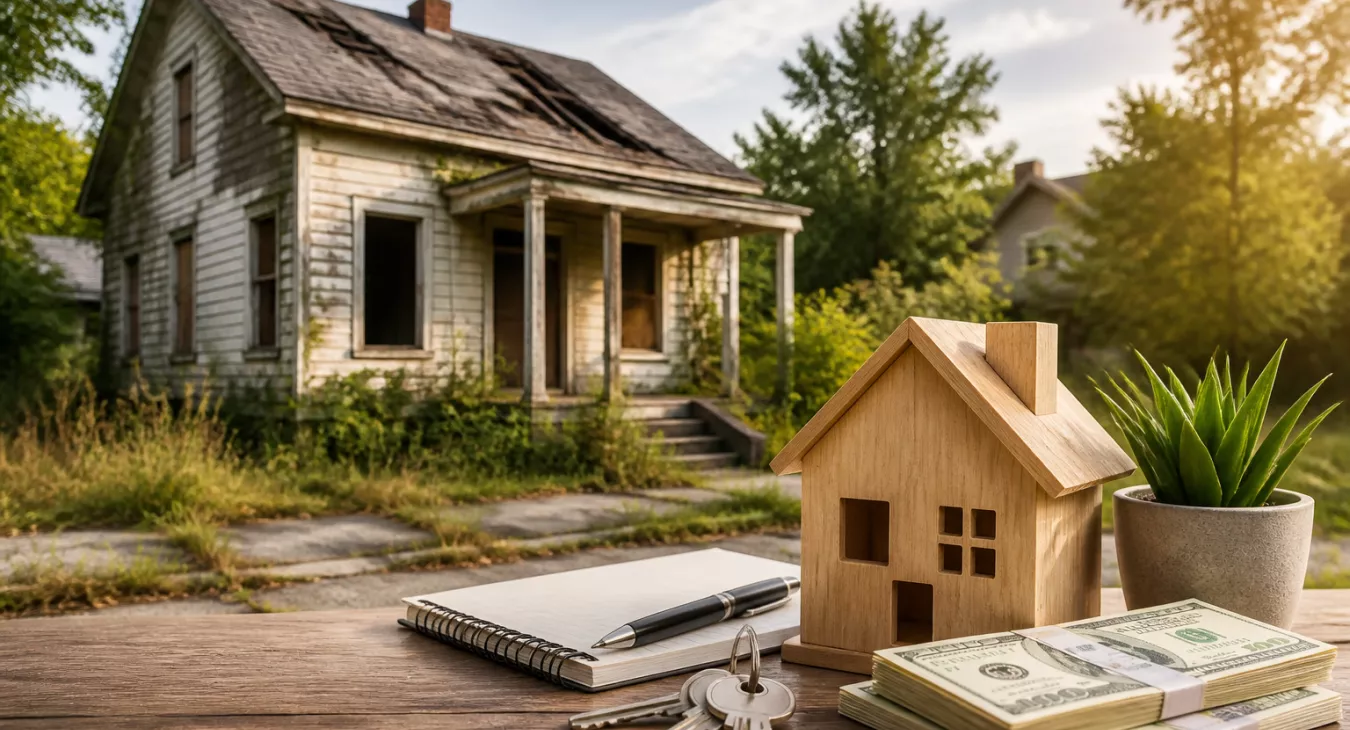
Learn proven strategies for how to sell abandoned house properties fast. Explore cash sales, renovations, and investor options with expert guidance.
Products and Tools Mentioned in this Post
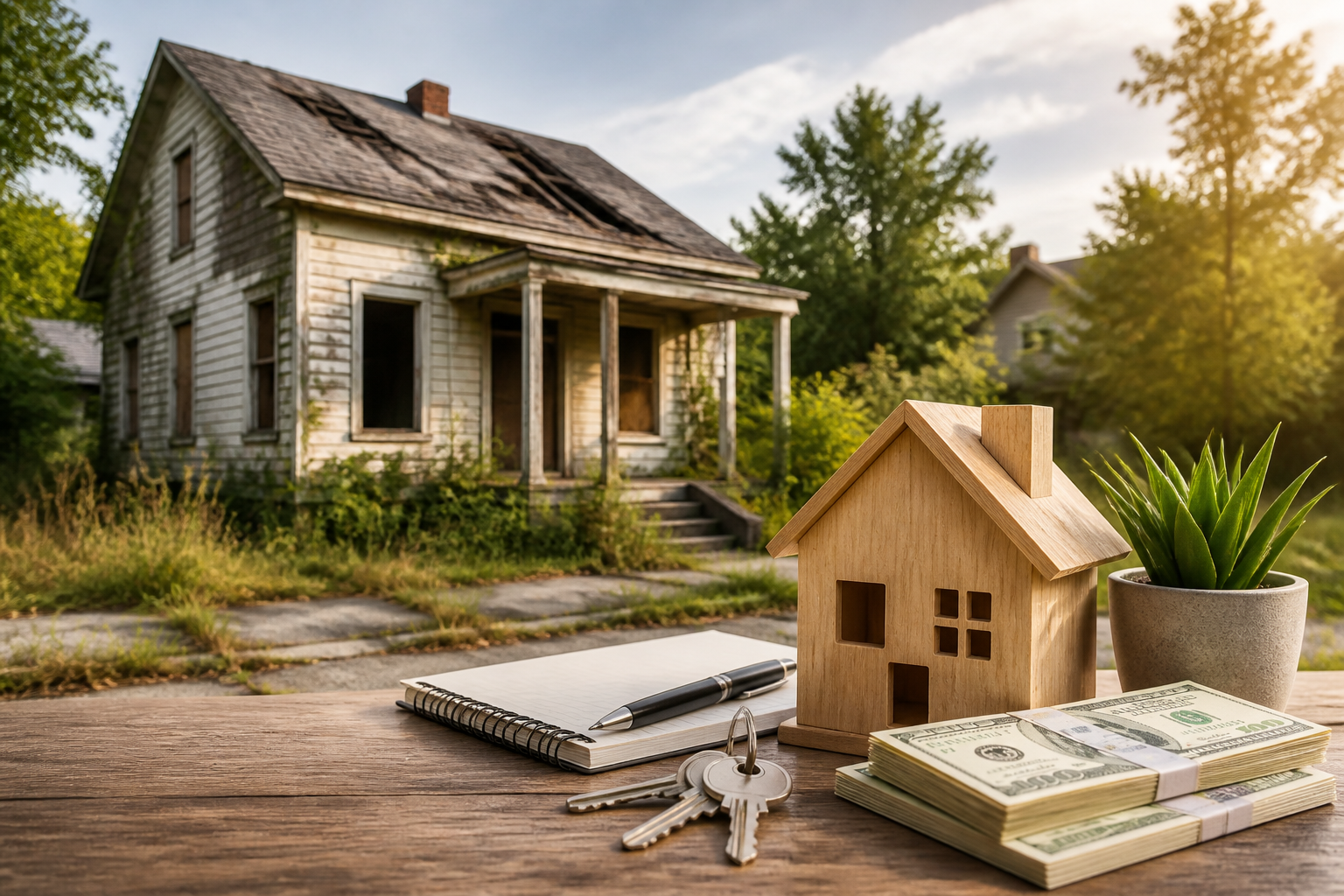
Table of Contents
- What's an Abandoned House?
- Key Challenges When Selling an Abandoned House
- Selling an Abandoned House As-Is: Your Best Option?
- Step-by-Step Guide to Selling Your Abandoned House
- Cash Home Buyers: The Fastest Solution
- Selling Methods Comparison
- Common Mistakes to Avoid
- Legal and Financial Considerations
- Alternative Options: Investing in Abandoned Properties
- Conclusion
- Frequently Asked Questions
Abandoned properties weren't supposed to happen. Maybe you inherited one. Maybe a flip stalled mid-project. Or you picked up a distressed asset that's been sitting on your hands longer than planned. Now you're asking: how do I sell this thing? It feels heavy. Here's the reality: with a solid strategy, it's absolutely doable — and can hit your numbers. About 6 million U.S. residential properties are classified as abandoned or vacant according to 2024 ACS data. You're not alone in this. Experienced investors move these deals all the time. This guide walks you through every legitimate path — cash sales as-is, renovation flips, everything in between — with real numbers on costs, timelines, and legal landmines so you can pick what actually works for your situation.

What's an Abandoned House?

Definition and Criteria
Owner walks away. Taxes don't get paid. Utilities get disconnected. That's the basics of an abandoned house — a residential property where the owner's stopped occupying it, maintaining it, and often covering financial obligations. From a legal and municipal standpoint, you're looking at no property taxes, no utilities, visible neglect, and usually some accumulating liens or code violations. It's not the same as a vacant property or one that's temporarily unoccupied.
Abandoned vs. Vacant vs. Unoccupied
Here's where the distinctions matter for your deal analysis. Vacant properties? Still being managed by an owner who's planning to sell, rent it out, or move back in eventually. Unoccupied is the in-between state — maybe between tenants or closed for the season. Abandoned is where the owner's completely checked out. No maintenance happening. Utilities are off. Tax liens are piling up. Code violations are accumulating.
The numbers tell an interesting story. According to Macrotrends/Census data, as of March 2026 there are roughly 15.3 million vacant residential homes across the U.S. But the truly abandoned subset? That's a much smaller pool — and it's legally messier, which also means higher upside for investors who know how to navigate it.
Why Houses Become Abandoned
The pathways into abandonment vary. An owner dies without a clear heir stepping up. Someone faces financial hardship and stops fighting the foreclosure. A fire or flood causes structural damage that feels overwhelming. A renovation project stalls and never restarts. A property sits on the market for years with zero offers.
And here's what should get your attention: nationwide foreclosure filings hit 40,355 in May 2026, up 14% year-over-year. That's a 14% jump. More distressed inventory. More abandoned properties entering the market. Your competition's increasing, but so are your deal flow opportunities if you're positioned to move fast.
Back to topKey Challenges When Selling an Abandoned House

The difference between investors who actually close deals and those drowning in carrying costs? They see the obstacles coming. Abandoned properties don't play by the rules of conventional home sales — and they'll punish you if you pretend they do.
Underestimated Repair Costs
You're looking at the #1 money killer here. Renovation costs for abandoned or distressed properties typically range from $50,000 to $150,000, with extensive repairs exceeding $200,000 as of 2026. What's that in actual dollars per square foot? Abandoned homes cost $100–$200 per sq ft to renovate. And when you're talking a full gut — which you usually are on these deals — you're staring at $100,000 to $300,000 or more. Price it wrong at the start, underestimate by 20%, and suddenly you're $40K underwater before you break ground.
Security, Vandalism, and Squatter Risks
Every single week that property sits vacant is another week something goes wrong. Copper thieves. Squatters settling in. Broken windows. And here's the part that really bites — unauthorized occupants aren't just a headache, they're a legal nightmare that can stall your sale by months. You can't ignore this. Cameras, board-ups, regular walkthroughs? They're not optional. They're part of your carry costs, period.
Inspection and Liability Issues
Structural damage. Mold. Pest infestations. Faulty wiring that could catch fire. All of it creates liability exposure that keeps smart investors up at night. Even a trespasser who gets hurt on your property can come after you in many states. Document everything you know is broken. Disclose it all. That documentation is your only legal shield when things go sideways.
High Holding Costs
Every month you hold this thing, money bleeds out. It compounds fast if you're not watching it. Here's what you're actually paying:
| Expense Type | Typical Monthly Cost | Annual Cost | Notes |
|---|---|---|---|
| Property Taxes | Varies by location | $1,000–$3,000+ | Unpaid taxes become liens that block sale |
| Utilities (if maintaining) | $150–$300 | $1,800–$3,600 | Often required to prevent pipe damage |
| Vacant Property Insurance | $50–$150 | $600–$1,800 | Standard homeowners policies lapse after 30–60 days vacant |
| Maintenance/Emergency Repairs | $200–$500 | $2,400–$6,000 | Unexpected structural deterioration accelerates |
| Security Measures | $100–$300 | $1,200–$3,600 | Cameras, board-ups, or periodic inspections |
Add that all up and you're at $6,600 to $18,000 a year minimum. Now picture holding this for two years while you find a buyer.
Finding Qualified Buyers
Most retail buyers? They're out. Their lenders won't touch it. Banks have minimum property standards, and abandoned homes fail them spectacularly. That leaves you with cash investors and renovation specialists. And that's actually your market. Know it inside out.
Back to topSelling an Abandoned House As-Is: Your Best Option?
Why You Don't Need to Make Repairs
Here's the truth: most abandoned property sellers lose money trying to renovate before sale. You need capital, solid contractor relationships, and a realistic timeline to make that math work. Selling as-is? It sidesteps cost overruns, timeline delays, and the expertise gap altogether. The buyer absorbs the renovation burden—which is exactly what they signed up for.
Realistic Pricing Strategies
Forget what this house was worth five years ago. That number doesn't matter anymore. Pull comps on recent distressed sales in your area, then work backward from legitimate renovation cost estimates. Yes, the U.S. median home sale price sits at $398,596 as of August 2026—but your abandoned property will trade at a steep discount to that, even in hot markets. Investor offers typically come in much lower. And that's normal.
Pros and Cons of As-Is Sales
- Pros: No renovation investment required, faster time to close, eliminates contractor management, stops accumulating carrying costs, and transfers liability to the buyer sooner.
- Cons: Lower sale price relative to renovated value, smaller buyer pool limited to investors, potential stigma in certain markets, and the seller still bears disclosure obligations.
Legal Documentation Requirements
Selling as-is doesn't mean you get to hide problems. Most states demand that you document known material defects—structural damage, mold, pest infestations, code violations—regardless of how you're selling. And you'll need a clear title. Pay off those tax liens and recorded judgments before you list. Want more control over the sale? A structured FSBO approach works without a traditional agent.
Back to topStep-by-Step Guide to Selling Your Abandoned House

- Assess and document condition: Bring in a licensed inspector and walk every inch of the property with a camera in hand. You need a written condition report—this becomes your disclosure baseline and, more importantly, your negotiation foundation when investors start asking tough questions about what they're actually buying.
- Secure the property immediately: Board windows and doors. Install cameras or alarm systems. Post no-trespassing signage. And check your local ordinances on property maintenance requirements because every week this thing sits deteriorating is money out of your pocket. Your sale price drops. Your liability exposure climbs.
- Resolve title and lien issues: Run a title search first. Then deal with any outstanding tax liens, mechanic's liens, or mortgage balances hanging over the property. Cash investors—the ones who actually close on abandoned deals—they'll run their own title due diligence anyway. Unresolved encumbrances? That's a deal-killer, period.
- Set realistic pricing: Forget retail-market comps. Use distressed-property comparables instead. Price to attract investor interest, not to recover your sunk costs. You'll see this all the time: overpriced abandoned properties sit on the market for months, and that's when your holding costs eat you alive.
- Market strategically as-is: Don't waste time on consumer-facing platforms here. Target investor buyer networks, wholesalers, and real estate investment groups directly. Why? Local motivated seller and buyer networks move faster than MLS for this asset class and they understand what they're looking at.
- Prepare legal documents: Get a real estate attorney involved. They'll draft your as-is addendums, prepare proper disclosure forms, and make sure your deed is clean and actually transferable to the next owner.
Cash Home Buyers: The Fastest Solution

How Cash Buyers Work Differently
No mortgage contingencies. No appraisals. No lender restrictions. That's the cash buyer playbook. Whether it's a "we buy houses" outfit, a fix-and-flip crew, or an iBuyer platform, they're evaluating your deal the same way: ARV minus renovation costs minus their required profit margin. That formula is why their offers on distressed properties hit so much lower than retail market prices.
What to Expect on Price
Don't sugarcoat the numbers. "We buy houses" investors typically offer 50–70% of fair market value when you've got a distressed or any-condition home. Even conventional cash buyers who aren't flipping anything will still discount you 9–11% below what a financed buyer would pay — that's the 2026 market data talking. But here's the thing: that haircut buys you speed and certainty. For properties with climbing carrying costs and zero traditional buyer interest, this math often makes more economic sense than you'd think.
Advantages Over Traditional Sales
The typical home sits 55 days on market before you get an accepted offer as of March 2026. Abandoned properties? They linger much longer. Cash closings hit different — 7–14 days in most cases. That speed isn't an accident. 26% of all U.S. home purchases were cash deals as of July 2026, which tells you the investor market is real and accessible if you're pricing to move. Want to understand how wholesalers leverage this? Disposition strategies targeting cash buyers are worth studying.
Finding Legitimate Cash Buyers
Proof of funds first. Always. Then dig into reviews, business registrations, and their actual closing history. Call their recent sellers directly. Real investors drop earnest money fast and never ask you for upfront fees — that's your red flag detector right there. New to this segment? Wholesaling disposition strategies teach you how to identify and vet qualified investor buyers effectively.
Back to topSelling Methods Comparison
Here's what you're actually looking at when deciding how to move a deal. Each path has trade-offs — speed versus price, effort versus capital. Pick wrong and you're leaving money on the table or stuck holding a property that won't move.
| Selling Method | Typical Timeline | Typical Price vs. FMV | Repairs Required | Seller Costs | Best For |
|---|---|---|---|---|---|
| Traditional MLS Listing | 3–6+ months | 70–85% (distressed) | Often yes | Agent commissions + repairs | Properties with manageable condition |
| Cash / "We Buy Houses" Buyer | 7–30 days | 50–70% of FMV | No | Minimal to none | Fastest exit, severe distress |
| As-Is Private / Investor Sale | 2–4 months | 65–80% of FMV | No | Minimal | Investor-to-investor transactions |
| Renovation Flip (sell after rehab) | 6–12+ months | 100%+ of FMV | Yes (extensive) | High — $50K–$300K+ in rehab | Experienced investors with capital |
The MLS route takes the longest but pulls closer to fair market value if the property's only got minor cosmetic issues. You'll pay agent commissions and probably still need to fix things up.
Need liquidity fast?
A cash buyer or "We Buy Houses" outfit closes in under a month and takes properties as-is. You're looking at 50–70% of FMV, but you're not holding the bag, and your costs are basically zero. This is your move when you've got a nightmare property or just need the capital redployed elsewhere.
And then there's the investor-to-investor play. You avoid the retail market, cut repairs entirely, and still land 65–80% of FMV. It takes 2–4 months. Best for deals where your buyer network is strong.
The flip is the long game. You're dumping $50K to $300K+ into renovations over 6–12 months or longer. You'll hit 100%+ of FMV if you execute right. But you need experience, capital reserves, and the ability to absorb market shifts. One contractor delay or interest rate spike kills your margin.
Back to topCommon Mistakes to Avoid
- Overpricing based on pre-abandonment value: Don't use Zillow. Pull comparable distressed sales instead—that's what actually anchors your price in reality. Overprice the deal and you're stuck holding it longer, watching carrying costs eat into your margin with nothing to show for it.
- Ignoring safety hazards: Structural problems, exposed wiring, hazardous materials—these aren't minor issues. They're active liability that'll come back on you. Disclose everything. Secure the property. Period.
- Letting deterioration continue unchecked: You know what happens when you skip basic maintenance for six months? Weatherproofing fails. Repair costs double. Your buyer pool shrinks to nothing. Every month of delay makes the property harder to move.
- Waiting too long to sell: Holding costs don't stop. They compound. Before you decide to hold for a higher price, model it out—what's that extra two months actually costing you against potential appreciation? Most investors find the math doesn't work.
- Underestimating legal complexity: Abandoned properties are a minefield. Title issues, code violations, disclosure requirements—they all vary wildly by jurisdiction. You need a real estate attorney on speed dial. And if you're considering seller-financing as your exit strategy, understanding the risks and remedies of seller-financed transactions is non-negotiable.
Legal and Financial Considerations

Legal Issues Checklist
| Issue | Impact | Action Required |
|---|---|---|
| Unpaid Property Taxes | Tax liens block sale and accrue penalties | Resolve or negotiate payoff before closing |
| Building Code Violations | Active fines and forced compliance orders | Disclose fully; remediate if feasible |
| Structural Hazards | Owner liability for injuries | Secure property physically; disclose in writing |
| Unclear Title | Prevents sale completion entirely | Commission a full title search; resolve clouded title |
| Existing Liens or Mortgages | Blocks clear transfer of ownership | Negotiate payoffs; factor into net proceeds |
| Pest or Mold Issues | Health liability and mandatory disclosure | Document, disclose, and obtain remediation quotes |
Tax Implications
Here's the thing about Section 121 exclusions: if this abandoned property was your primary residence at one point, you could potentially shield up to $250,000 in capital gains (single filers) or $500,000 (married filing jointly) from the IRS. But you've got to meet the rules — you need to have owned and lived in the home for at least 2 of the 5 years before you sell it, and you can't have used the exclusion in the prior 2 years. The IRS Section 121 exclusion lays out all the specifics. Investment properties? Different story. You'll owe capital gains tax on any profit. And you need a CPA who actually knows real estate dispositions before you close — don't skip this step. If you're looking at the bigger picture on when to sell, your real estate exit strategy options matter more than you might think.
Insurance for Vacant Properties
Here's a reality most investors miss: your standard homeowners policy dies after 30 to 60 days of vacancy. The carrier will drop you or exclude coverage entirely — and you'll find out exactly when you need it most. You'll need specialized vacant property insurance instead. And yes, it costs more. Build this into your holding cost model right now, because every month the property sits empty is another month that premium's eating into your deal economics. Don't let insurance surprises tank your numbers.
Back to topAlternative Options: Investing in Abandoned Properties

Flipping Abandoned Houses for Profit
Distressed and abandoned properties offer the highest margins in residential real estate — but you need capital and a solid contractor network to make it work. The acquisition price is low. That's your advantage. You get room to invest in renovation and pocket real profit margins at sale. Renovation costs can hit $200,000 or more, though, so you can't wing it on due diligence or ARV estimates. Conservative numbers save deals. Aggressive ones kill them. If you're sourcing capital for your next flip, funding strategies for house flips walks through every capital source available. And if you're bringing in a partner? You need to understand the legal and financial side of co-investor structures before you close anything.
Renting Out Renovated Abandoned Properties
Skip the flip entirely. Renovate the property and hold it for cash flow instead. Markets with strong rental demand and solid cap rates can generate long-term returns that beat a one-time sale. But here's the catch: you need full renovation capital upfront, and you're stepping into the landlord role. That's a different skill set. Lease-option structures offer a middle ground — you sell a renovated or partially renovated home on rent-to-own terms when the buyer can't get traditional financing. It's flexible. It works.
Identifying the Right Opportunity
Not every abandoned property pencils out. Market research. Neighborhood trajectory. Structural damage. Title issues. These factors determine if you should even make an offer. The investors who win use lead scoring frameworks to qualify distressed deals before dropping capital. They make faster decisions and fewer mistakes than investors who analyze each property from scratch every single time.
Back to topConclusion
Selling an abandoned house isn't complicated. You need three things: honest numbers on condition and repair costs, pricing that actually reflects the distressed market, and a strategy that matches your timeline and available capital.
Here's the reality most owners face. The fastest, cleanest exit? Cash sale to an investor at a below-market price. You take the discount. In return, you get speed, certainty, and no more carrying costs bleeding you dry every month. That's often the right trade.
But if you've got the capital and renovation chops, these same deals can deliver serious upside. Your ARV minus renovation costs minus your acquisition price should pencil out to a solid cap rate or BRRRR-friendly returns. Don't force it though — be honest about your timeline and skill level.
Regardless of which direction you go, handle the hard stuff first. Resolve title issues. Clear legal encumbrances. Document everything. And hire a real estate attorney in your state who actually knows distressed property law — don't skip this.
The abandoned property market moves fast because there are plenty of motivated buyers and sellers looking to move inventory. Your job is simple: when the right buyer shows up, be ready to close.
Back to topFrequently Asked Questions
How long does it take to sell an abandoned house?
It depends on your exit strategy. A cash deal with a "we buy houses" investor? You're closing in 7–14 days. Private as-is sale to an investor buyer typically runs 2–4 months. And then there's the traditional MLS route — assuming you can even find qualified buyers — which often drags 3–6 months or longer, especially when the national median days on market sits at 55 days for move-in-ready homes. Abandoned properties obviously take even longer.
Do I need to make repairs before selling an abandoned house?
Don't waste the money. For most sellers, pre-sale repairs on truly abandoned properties are throwing capital at the problem. Cash investors and fix-and-flip buyers purchase as-is and discount their offers to absorb renovation costs themselves. But here's the catch: you still need to disclose known defects and fix any active hazards that create real liability exposure. Selling as-is? Totally legal. Hiding known material defects? That'll bury you.
How much will I lose by selling to a cash buyer?
"We buy houses" investors typically offer 50–70% of fair market value on distressed properties. Yeah, that stings. But don't just look at the discount in isolation. Factor in your carrying costs while the property sits on market longer, the risk that pre-sale repairs balloon over budget, and the real value of a guaranteed close date with zero contingencies. For properties hemorrhaging money monthly or buried in legal complications, a cash sale's net proceeds often beat a traditional sale by thousands.
What legal issues do I need to resolve before selling an abandoned house?
Start with the non-negotiables: clear title (no clouds, disputes, or recording errors), settlement of all tax liens and recorded judgments, and complete written disclosure of every known material defect. Building code violations get disclosed regardless of whether you fix them. Here's what most investors miss: title companies and real estate attorneys will demand payoff of outstanding liens at closing. If you don't account for these numbers upfront, your net proceeds calculation will be dead wrong.
Can I claim an abandoned property I don't own?
Adverse possession exists in most U.S. states. The mechanism is real: non-owners can claim title through long-term open occupancy. But the requirements? They vary wildly by jurisdiction — we're talking anywhere from 5 to 21 years of continuous, open, hostile, and exclusive use. This approach is complex, requires an attorney, and frankly, it's not practical if you need capital soon. More realistic play: buy tax-lien certificates or acquire properties through municipal tax-sale programs when owners default on property taxes.
Back to top