

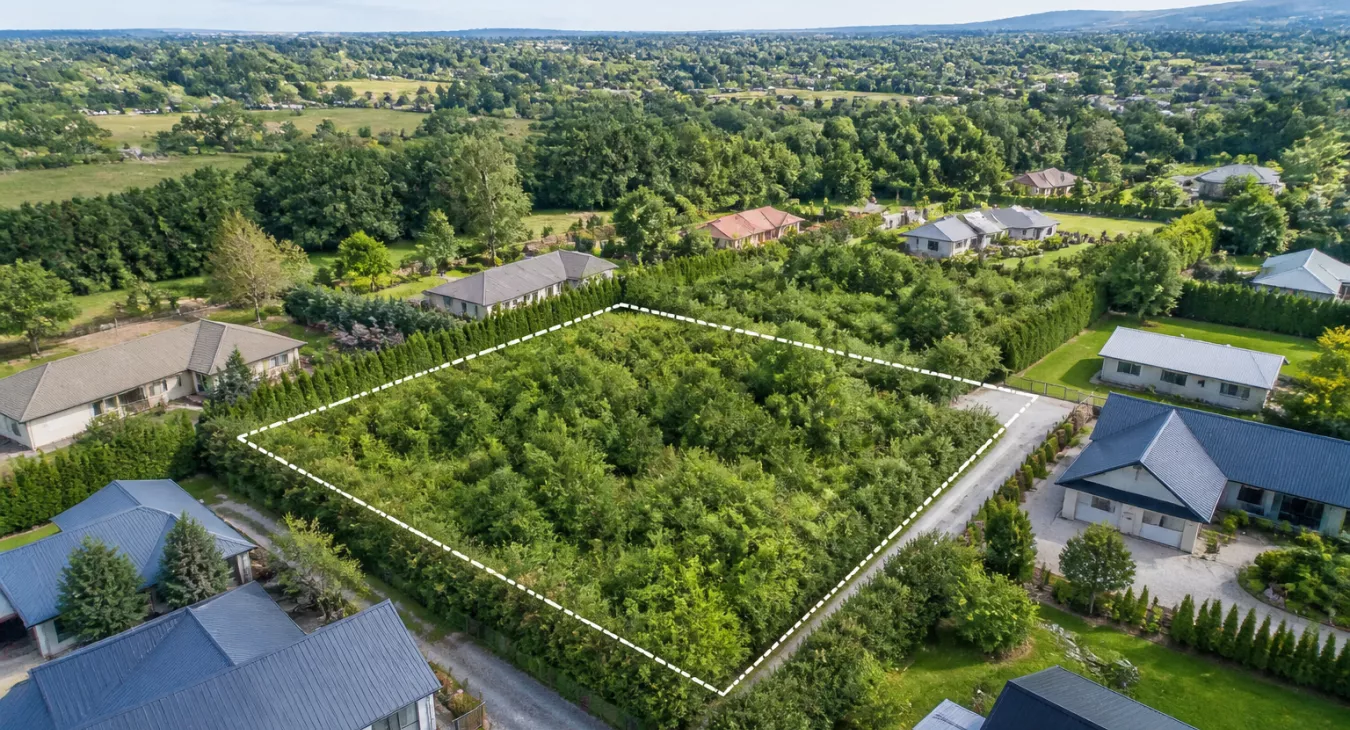
Learn if you can develop landlocked property and explore your legal access options, from easements to court-ordered rights. Expert guide inside.
Products and Tools Mentioned in this Post

Propstream
Detailed information on Propstream. Get How-To's, reviews, Comparisons, and much more.
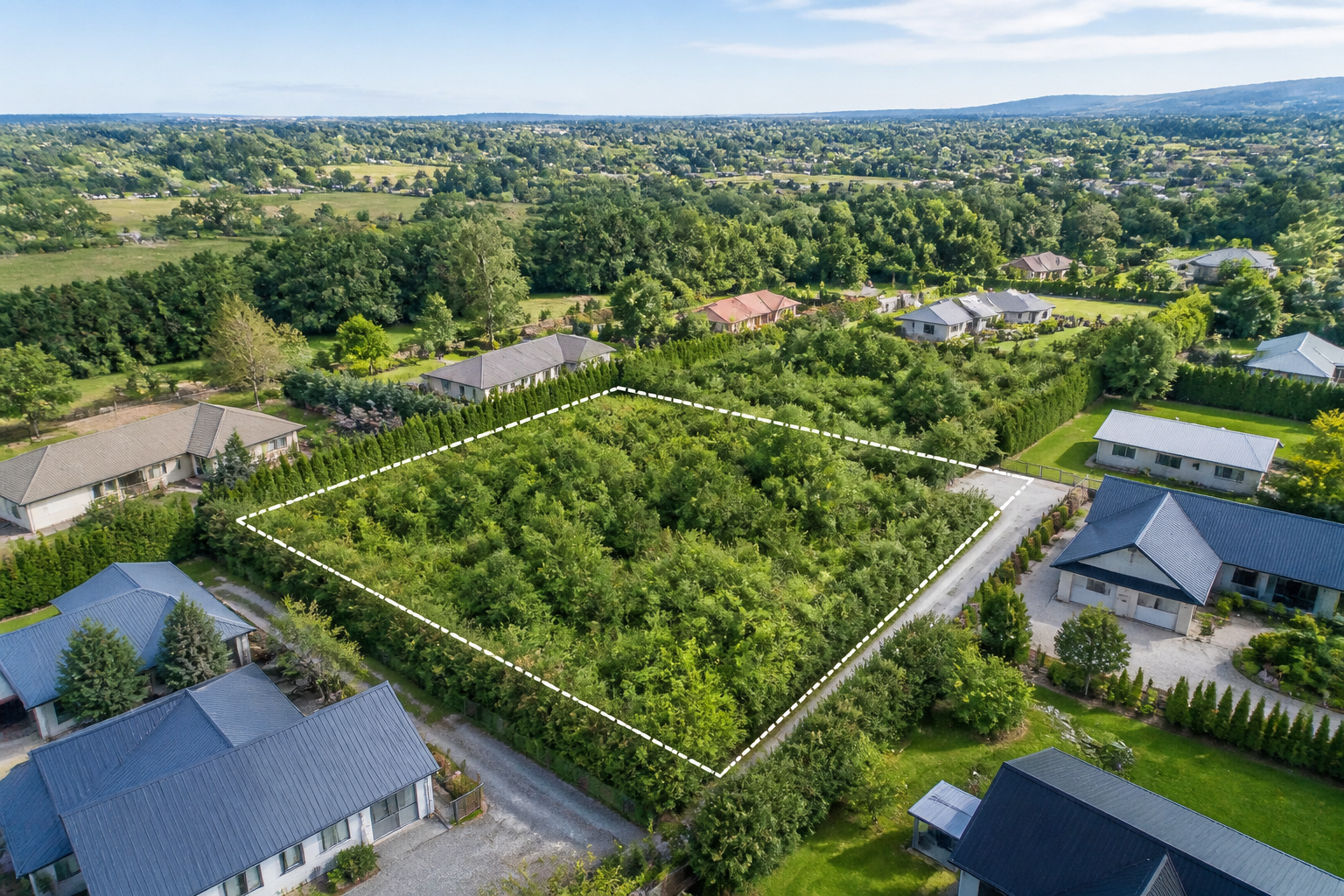
Table of Contents
- what's Landlocked Property?
- Can You Develop Landlocked Property?
- Understanding Easements
- How to Gain Access to Landlocked Property
- Development Costs and Considerations
- Pros and Cons of Developing Landlocked Property
- Steps to Develop Landlocked Property Successfully
- Alternatives to Traditional Development
- Real-World Context: How the Numbers Move
- Conclusion
- Frequently Asked Questions
You spot a parcel priced 40% below market value. Dream scenario, right? Then you drive out and realize: there's no road in. Landlocked property is where real estate deals go to die — or where you make serious money if you know what you're doing. Most investors' first question is simple: can you develop landlocked property? The answer's yes. But there's a catch. You need legal access before you can do anything else. No easement, no right of way, no way to build. No way to get financing. No way to sell it either. This guide covers your actual options — negotiated easements, prescriptive access, court-ordered rights of way — with real numbers, realistic timelines, and exactly which professionals you need to hire to pull this off.

what's Landlocked Property?

In real estate, a landlocked parcel is property with no legal access to a public road unless you cross someone else's land. That word—legal—matters. A dirt path your predecessor used for thirty years? It doesn't protect you. If that path runs through a neighbor's deed, you're technically trespassing every time you drive it.
How do landlocked situations happen? They're surprisingly common. A developer subdivides a large rural tract and sells off an interior lot without an easement strip. A family estate gets divided among heirs, leaving the inner parcels stranded. Or someone buys only part of a larger assemblage and gets stuck. Even in urban markets, rear lots behind commercial buildings frequently have zero public road frontage. Want to know if these deals belong in your portfolio? Read our full breakdown: Landlocked Property: What it's & Whether You Should Invest.
Back to topCan You Develop Landlocked Property?
Yes, you can develop landlocked property. But here's the non-negotiable part: access must be locked down in writing before you even think about submitting permits. Every single step of development — permits, financing, construction, resale — sits on top of solved access. Miss this and the whole deal collapses.
- Permits and zoning: Building departments won't issue construction permits without documented legal access. And zoning codes? They're all over the map. R-1 means something completely different in one county versus the next. Most jurisdictions flat-out treat landlocked lots as unbuildable until access is officially recorded.
- Financing: As of 2025–2026, institutional lenders won't touch a landlocked parcel without proof of legal access. Hard money lenders will play ball, but you're looking at higher rates and lower LTVs that'll tank your numbers. Want alternatives? Check out How to Finance Your First Rental Property: Every Option Explained.
- Construction logistics: Self-funded projects still need contractors, inspectors, and material trucks on-site. Without a road easement granting legal access across neighboring land, you've got no right to bring anyone across. Period.
- Resale: A finished structure on landlocked land is toxic to buyers. They hit the same financing wall you did. Your buyer pool shrinks dramatically.
Development works when the math stacks. Access rights, road construction, legal fees, extended timelines — they all subtract from your land discount. Is the eventual ARV increase enough to cover all that friction? If yes, you've got a deal. If no, walk.
Back to topUnderstanding Easements

An easement is a legal right to use someone else's land for a specific purpose. In landlocked deals, that purpose is travel across their parcel to reach yours. The parcel that benefits? That's the dominant estate. The one getting burdened by the easement is the servient estate. Here's the kicker: easements recorded in county deed records run with the land. They survive ownership changes, which means they're binding on future buyers.
Types of Easements Relevant to Landlocked Properties
- Easement by necessity: A court orders this when a parcel is completely landlocked because of a common-ownership split. Two strict requirements: (1) the dominant and servient parcels were once owned by the same person, and (2) a conveyance by that common owner left one parcel with zero public road access — we're talking zero, not just inconvenient access. Courts don't hand these out lightly. (Cornell Law LII, reviewed September 2025)
- Negotiated (express) easement: You and your neighbor agree. An attorney drafts it. Both of you sign, get it notarized, and record it. When neighbors are willing, this is your fastest win.
- Prescriptive easement: Think adverse possession for access rights — you earn it through open, continuous, hostile use of a neighbor's land for a statutory period. The timeline varies by state: five years in some jurisdictions, twenty-one in others. Don't rely on this for development planning. It's slow, uncertain, and litigation is almost guaranteed.
- Easement by estoppel: This one shows up when a landowner's past behavior made another party reasonably count on access being available. It's highly fact-specific and depends entirely on your jurisdiction.
Easement strips for landlocked access typically run 20 to 60 feet wide, depending on what you actually need. A footpath or ATV trail? A narrower strip works. A paved road that'll handle emergency vehicles? You're looking at 30 feet minimum, probably more.
Back to topHow to Gain Access to Landlocked Property

Step 1: Commission a Boundary Survey
Get a legally defensible map first. Before you talk to anyone, you need to know exactly what you own and what's around it. A boundary survey typically runs around $546 as of June 2026 (HomeAdvisor), though you might pay anywhere from $200 to $1,200 depending on the property. Larger parcels or tricky terrain? Expect to pay more. The real value here: the surveyor identifies the shortest, least-damaging route to public road access—the exact route a court would impose if your neighbor tells you no.
Step 2: Negotiate with Neighboring Owners
Now comes the business part. Walk over with that survey in hand and a real offer—a defined easement corridor, compensation (lump sum or annual fee), and crystal-clear maintenance responsibilities all written down. Most landlocked deals get solved right here. Why? Because your neighbor sees a fair offer and realizes litigation costs way more than a reasonable agreement. Come ready to discuss traffic volume, road surface, and upkeep costs. Who maintains the road? You do, or you split it?
Step 3: Draft and Record a Formal Easement Agreement
A handshake means nothing once your neighbor sells their property. Don't skip this step. Hire a real estate attorney to draft something binding. Expect $2,000–$5,000 for basic agreements; complex multi-party or commercial easements run $15,000 or more. Once both parties sign and a notary witnesses it, take the document straight to the county recorder's office. Recording fees are cheap—usually $10–$50.
Step 4: Court Action for Easement by Necessity (If Negotiations Fail)
Your neighbor dug in their heels? If you can prove the property was once under common ownership, your attorney can file for an easement by necessity. The court picks the route, width, and compensation. Slower than negotiating, sure. Costlier too. But it's a legitimate legal remedy in most states. Here's the trap though—courts apply the two-element standard strictly (Cornell LII, September 2025). If your parcel had any road access in the past, even a crumbling abandoned one, the necessity claim might tank.
Back to topDevelopment Costs and Considerations

Securing access on paper? That's just step one. You've still got to actually build the thing. Here's what you're looking at in real 2026 dollars:
| Cost Item | Typical Range | Notes |
|---|---|---|
| Boundary survey | $200–$1,200 (avg ~$546, June 2026) | Per standard residential parcel; larger tracts cost more |
| Easement attorney fees | $2,000–$5,000 (complex: $15,000+) | As of 2025; litigation adds substantially more |
| Easement document recording | $10–$50 | County recorder fee, 2026 |
| Private road construction (12-ft lane) | $3,000–$23,000 total (avg ~$9,600, July 2026) | $1.25–$15/sq ft; $750–$9,000 per 100 linear feet |
| Road drainage system | $2,000–$5,500 | Add-on to road construction, July 2026 |
| Road construction permit | $500–$2,000 | Local/county permit, June 2026 |
But wait—there's more. Lender requirements will throw you another curveball. Most institutional lenders won't touch a landlocked parcel, which means you're self-funding the access phase first. Only after that can you refinance into a construction loan. It's a painful sequence, but it's the reality.
Equity-based strategies work here. Pull equity from other holdings to bridge the gap. Check out Using Home Equity to Buy Your Next Rental Property for the tactical playbook. And if you're doing a fix-and-flip where the landlocked structure already exists? Fix-and-flip financing might pencil out—though lenders will still dig deep into your access documentation.
Insurance gets overlooked constantly. A landlocked parcel with zero legal access? Coverage gets dicey fast. Once you've got a road and structures operational, you need landlord or builder's risk coverage that actually matches the risk profile. Don't guess on this one. Our Rental Property Insurance Guide walks you through baseline requirements once the property's generating income.
Back to topPros and Cons of Developing Landlocked Property

| Advantages | Disadvantages |
|---|---|
| You're looking at 24%–45% price cuts compared to accessible comps. In extreme cases? 50%–80% cheaper. | Institutional lenders typically won't touch it without documented legal access on paper |
| Privacy and seclusion—this matters if you're building a retreat, ag operation, or recreational property | But neighbors can drag out easement disputes for years. Legal bills pile up fast. |
| The upside is real. A parcel sitting at $20,000 with no access? Could hit $200,000 once you lock down access. That's 10x your money if you execute right. | Court proceedings for easement by necessity move slowly. And outcomes aren't guaranteed. |
| Less buyer competition at auction or off-market deals. You'll find fewer bidders, period. | Road construction and drainage work alone run $5,000–$28,500+ before actual development begins |
| You can monetize without solving full access: solar leases, conservation easements, hunting leases all work here | Your resale pool stays tight until access is documented in writing and the road's actually built |
Steps to Develop Landlocked Property Successfully

- Pre-purchase due diligence: Before you sign anything, pull the full chain of title going back to when the parcel was last part of a larger tract. You're hunting for recorded easements, historic road dedications, or prior access grants that might already exist. Get a real estate attorney involved before you make an offer—this isn't the time to cut corners. Our 10 Essential Steps for Buying Your First Investment Property gives you a solid baseline checklist to work from.
- Commission a boundary survey: Know exactly where your parcel ends and the neighbor's begins. Don't guess on this one.
- Identify the shortest, least-burdensome access route: Courts and neighbors respond better to proposals that minimize impact on the servient parcel. This isn't just about being nice—it's about winning.
- Negotiate first, litigate only if necessary: A negotiated easement closes in weeks. Court proceedings? They'll eat up a year or more in many jurisdictions, and you're burning cash the whole time.
- Get every agreement in writing and recorded: Verbal promises disappear the moment the property transfers. Put it on record or it didn't happen.
- Verify zoning before designing anything: Talk to your local planning or zoning department. Confirm your intended use is actually permitted on this parcel. And here's the critical part: make sure your easement corridor meets access standards for that use—emergency vehicle width, for example—or you'll be redesigning later.
- Budget for contingencies: Tack at least 20% onto your access and infrastructure cost estimates. Soil surprises, neighbors getting cold feet, permit delays—they're not if, they're when.
- Assemble the right team: You need a licensed surveyor who knows landlocked deals. A real estate attorney with easement law experience—not just closing experience. A civil engineer for road design. And potentially a zoning consultant if variances come into play.
Alternatives to Traditional Development
When the access math doesn't work for a full build, landlocked parcels aren't dead weight. They can still generate solid returns through alternative structures — many of which sidestep the access problem entirely.
- Solar or wind lease: Energy developers cut their own deals with neighbors all the time. They'll often accept a long-term lease on landlocked land if the solar resource is strong enough. Here's the catch: terms and rates swing wildly by region and project size. Get competing bids and have your attorney review anything before you sign.
- Conservation easement: Donate or sell a conservation easement to a land trust. You get a federal charitable deduction (check with a tax advisor on current IRS rules). The land stays protected, and your neighbors see you as a good actor — which matters when you need their cooperation on access later.
- Hunting or recreational lease: Hunters, hikers, and ATV riders often access land on foot through informal arrangements. But formalize it in writing. You need liability protection, period.
- Partnership with an adjacent owner: Your neighbor might want to expand. They could buy the parcel outright at above your cost basis, or you two structure a joint venture where they bring access and you bring land.
- Sale to a specialized investor: Landlocked land has a thin buyer pool — but it exists. Tools like PropStream and ListSource help you find investors hunting distressed land plays. Price it honestly to reflect the access burden. You'll move it faster that way than chasing full-access comps.
Real-World Context: How the Numbers Move
The gap between landlocked and accessible land? It's brutal. As of June 2026, a property worth $200,000 with road access might appraise at $20,000—or literally nothing—without it. That's the kind of discount that gets investors' attention. Industry figures show the haircut ranges from 24%–45% below market in typical cases, and 50%–80% in the worst scenarios. And here's the thing: that arbitrage opportunity is real, but you've got to execute on access before the gap closes.
Disclosure requirements? They vary wildly by state. Some states demand written disclosure of landlocked status. Others have no explicit statutory requirement at all. Don't rely on what the seller tells you—conduct your own title and access review every time. Your attorney can confirm exactly what your target state requires.
Back to topConclusion
Landlocked property can absolutely be developed. But here's the catch: you need access secured, documented, and recorded before you break ground. The legal playbook is solid. Hunt for an express easement first. If the landowner won't negotiate, take the easement by necessity route through the courts. And if neither path makes financial sense? There are alternative revenue models worth exploring.
That discount—often 24%–45% below market—can be real money in your pocket. But only if you do this right. You'll need a surveyor, a real estate attorney who knows this stuff, and a civil engineer who can tell you what's actually buildable. Build contingencies into your budget. Generous ones.
One more thing: do your title work before closing. Not after. Not ever after.
Back to topFrequently Asked Questions
Can a landlocked property owner be forced to sell an easement?
Your neighbor can't be forced to *sell* an easement. But here's what matters: a court can grant one by necessity if two legal elements line up — prior common ownership and a conveyance that left one parcel completely cut off from public road access (Cornell LII, September 2025). The court picks the route and sets compensation. No neighbor consent needed, just proof of the legal elements.
Will a bank finance the purchase of a landlocked property?
Not typically. As of 2025–2026, most banks and institutional lenders flat-out won't approve a loan on landlocked land without documented legal access already locked in. Smart investors work around this: cash purchases, seller financing, or tapping equity from other properties to buy and solve the access problem. Then you refinance once it's fixed. How to Finance Your First Rental Property breaks down every alternative structure available.
How wide does an access easement need to be?
You're looking at 20 to 60 feet for a negotiated easement strip, depending on what you're actually building. A single-family driveway? Different ballgame than a road that needs to handle fire trucks or commercial trucks. And your local jurisdiction's road standards will dictate minimum widths. Talk to your planning department and civil engineer before you commit to anything.
What professionals do I need before developing a landlocked property?
Three are non-negotiable. You need a licensed land surveyor to establish boundaries and ID the access route. A real estate attorney who knows easement law inside and out — they'll negotiate, draft, and record the agreement. And a civil engineer to design the road and drainage. More complex deals? Add a zoning consultant for variances and an environmental consultant if wetlands or protected habitat is involved. Hire this team *before* closing, not after. It's the smartest risk move you can make.
Is it worth buying landlocked property just to flip it?
Maybe. The play works like this: buy landlocked land, secure the easement, sell it now-accessible to a developer. It's a legitimate strategy. But you're taking on neighbor-negotiation risk and legal costs, and those eat into your margin fast. House Flipping Profit Margins: Average Returns & What Affects Your Bottom Line will show you how access and infrastructure costs hit your net return. Run those numbers before you jump in.
Back to top