

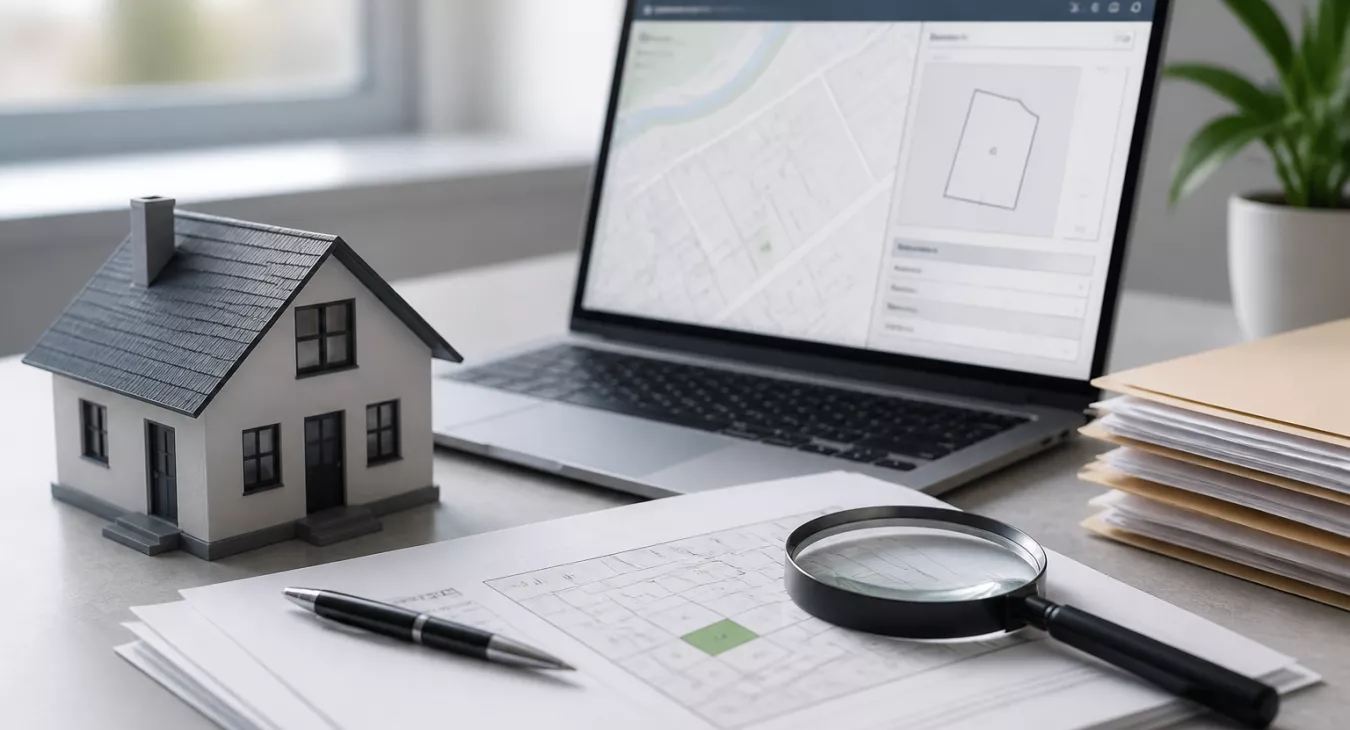
Discover free and paid tools for property deed search online. Learn how to research ownership history, verify title, and make smarter real estate investmen
Products and Tools Mentioned in this Post

Propstream
Detailed information on Propstream. Get How-To's, reviews, Comparisons, and much more.

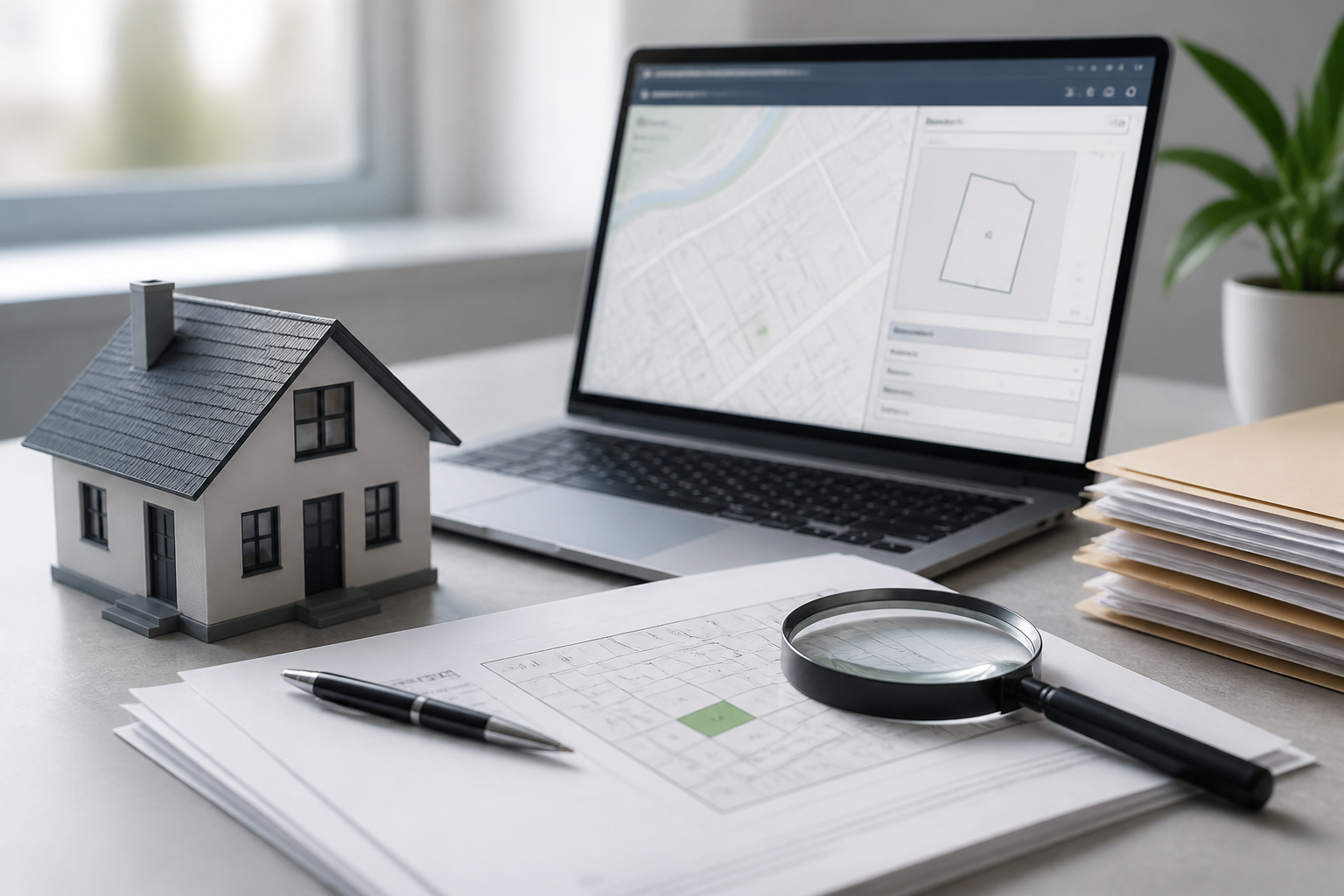
Table of Contents
- What's a Property Deed and Why Search Online?
- How the U.S. Deed Recording System Is Organized
- Free Government Portals: What to Expect
- Federal Court Records: PACER for Deed-Adjacent Research
- Paid Deed Search and Property Data Platforms
- Search Methods: Choosing the Right Approach
- Step-by-Step Guide to Conducting an Online Deed Search
- Reading and Interpreting Deed Records
- Using Deed Searches to Research Land Sales History
- Common Challenges and How to Solve Them
- Legal Considerations and Data Privacy
- Integrating Deed Searches With Broader Due Diligence
- Conclusion: Building a Deed Search System That Scales
- Frequently Asked Questions
You're staring at a vacant parcel in rural Ohio. Or maybe you're tracking down the ownership history of a subdivision lot in California. Either way, a property deed search online is non-negotiable due diligence before you write a check. Deed records show who actually owns the property, how title transferred hands, what encumbrances got recorded, and how far back the chain goes. That's information no listing platform, no MLS feed, and no wholesaler pitch deck will give you. This guide covers everything: free county and state portals, paid data platforms, search methods, common roadblocks, and how to convert raw deed data into real investment decisions.

What's a Property Deed and Why Search Online?
A property deed is the legal instrument that transfers ownership of real property from one party (the grantor) to another (the grantee). It's got to be signed, notarized, and recorded with the county recorder or register of deeds — or whatever equivalent office handles it in your jurisdiction — to mean anything against third parties. Once it's recorded, the deed becomes part of the public land record. You're looking at a complete chain of title that documents every ownership change going back as far as that county's recording system goes.
Online deed searches? They're a game-changer. You get instant access to the chain of title without driving to the courthouse or dropping money on a title company order. Screen 20, 30, 40 parcels in a single afternoon. Flag ownership red flags before you even make an offer. Catch the stuff that kills deals — like a deed signed by someone who wasn't the actual record owner, or a gap in the chain that won't show up until you're already under contract and paying for a formal title search.
And here's the legal reality: the recorded deed determines priority. Most U.S. states follow a "race-notice" or "notice" recording doctrine — whoever records first wins, period. That's not just academic. Understanding who's actually in the chain and when each deed got recorded is the entire foundation of your title security as a buyer. It's not background noise. For the specific breakdown on how deed type protects (or doesn't protect) land investors, check out our guide on Quit Claim vs Warranty Deed: Which Protects Land Investors Better.
Back to topHow the U.S. Deed Recording System Is Organized
The U.S. doesn't have a centralized national deed database. Unlike countries with single federal registration systems, property recording authority lives at the county level in most states — though Connecticut and Vermont bucket theirs by town instead. That fragmentation creates over 3,000 separate recording jurisdictions nationwide, each running its own portal with different fee schedules and digitization timelines.
Is this a problem? Yes and no. County recorders answer directly to local voters and have actually invested real money into online access over the past ten years. But the systems don't talk to each other. What works in Cook County, Illinois becomes useless the moment you're searching a rural county on the Great Plains where records sit in filing cabinets and maybe 40% of the data's been scanned. You need to start your deed hunt by pinpointing the exact recording jurisdiction for your parcel.
Finding the right county recorder's office is straightforward. Search "[county name] [state] recorder of deeds" or hit up your state's association of counties — they usually maintain a full directory. For a deeper dive into sourcing deed data alongside tax records, court judgments, and zoning documents, check out the Public Records Search for Land Investing: Tools & Techniques guide.
Back to topFree Government Portals: What to Expect
Most county recorders now let you search their online indexes for free. Want to find a recorded document? Just search by grantor/grantee name, parcel number, or document number — zero cost. But here's the catch: downloading or printing an actual certified copy costs money. The uncertified image and index entry? That's usually free to view.
Don't expect every county portal to work the same way. Well-funded urban counties give you searchable databases with scanned images going back to the 1800s. Rural counties? You might only get online access to documents from the last 10–15 years. Anything older means an in-person trip or a written request. Always check the "records available from" date before you assume a property has a clean title and no liens hiding in older records.
Key Features to Look for in a County Portal
- Grantor/Grantee index: Searchable by party name — the baseline for any deed search.
- Parcel or APN search: Search by Assessor's Parcel Number, which ties deed records to tax records.
- Document type filter: Lets you narrow results to warranty deeds, quitclaim deeds, deeds of trust, liens, releases, etc.
- Date range filter: Essential when a common name returns hundreds of hits.
- Image availability: Can you view the actual scanned document, or only the index entry?
- Certified copy ordering: Can you order a certified copy online, or must you mail a request?
Recording and copy fees vary by county. There's no national standard, so don't try to estimate — you need to check your specific county's fee schedule. That said, a few real examples show how wide the range actually is. In Los Angeles County, recording a deed will run you a base fee of $15.00, plus a $75 Building Homes & Jobs Act fee, plus a $10 DA Fraud Fee, plus $3 for each additional page beyond the first (2026 schedule). Want a certified copy there? That's $6 for the first page and $3 for each additional page. Colorado took a different approach — they moved to a flat $43.00 recording fee for any deed regardless of page count, effective July 1, 2025 under HB24-1269. Ohio splits the difference at $34.00 for the first two pages plus $8.00 per additional page. Bottom line: verify fees with your county before you write a check for copies.
Back to topFederal Court Records: PACER for Deed-Adjacent Research
PACER — that's the Public Access to Court Electronic Records system run by the federal judiciary — won't show you actual property deeds. But here's what it does show: bankruptcies, federal tax liens, and federal court judgments that'll blow up your title. Most investors skip this step entirely, which is a mistake.
The cost structure makes it worth doing. You're paying $0.10 per page, with a $3.00 cap per document (that's 30 pages max) on most filings—transcripts don't count. And here's the real kicker: if you rack up less than $30.00 in quarterly fees, PACER wipes it clean. That matters when you're running quick bankruptcy checks on sellers or properties as part of your due diligence routine. Need someone at the PACER Service Center to manually search by name? It's $30 per name (as of August 2026).
Stack a county deed index search with a PACER bankruptcy check and you've got real title visibility. Neither alone cuts it.
Back to topPaid Deed Search and Property Data Platforms
Screening 50 parcels a month? Try 500. Once you hit volume, manually digging through county portals becomes a killer. Paid property data platforms solve this by pulling deed records, ownership data, tax records, and liens from thousands of counties into one searchable dashboard. You pay a monthly subscription — that's the trade-off. But the time savings and extra data layers pay for themselves in weeks.
PropStream
Land investors and wholesalers rely on PropStream. It's the go-to for deed info, ownership records, equity positions, pre-foreclosure data — you name it. The base subscription runs $99/month, or $81/month if you pay annually (May 2026). They offer a 7-day free trial with 50 free leads (April 2026). That's enough time to test their deed coverage in your target markets and see if it fits your workflow. Want to compare? Check out The Best PropStream Alternatives (Free and Paid).
PropertyRadar
If you're buying in California or the West, PropertyRadar dominates. The data is solid — deep deed history, ownership info, list-building tools that actually work. Here's the pricing breakdown (mid-2026): Solo plan is $119/month for one user. Team plan runs $249/month for three users. Business plan is $599/month for ten users. And here's the kicker — pay annually and you save about 20%. A 5-day free trial is available (April 2026). What makes it useful? PropertyRadar layers deed data with owner demographics and contact info. So you're not just researching title — you're finding motivated sellers. That ties directly into our Find Motivated Sellers Online - Free and Paid guide.
ATTOM Data Solutions
ATTOM is enterprise-grade. Most real estate software companies buy their data from ATTOM and resell it downstream. You don't access it through a consumer portal — it's API or bulk licensing. For the full breakdown on ATTOM's investor coverage and how it stacks up, read the ATTOM Review: Property Data Platform for Investors.
Government vs. Third-Party Platforms: A Comparison
| Factor | Government County Portals | Paid Third-Party Platforms |
|---|---|---|
| Cost | Free to search index; copy fees vary by county | Monthly subscription (e.g., $99–$599/month depending on plan) |
| Coverage | One county at a time; depth varies | Multi-county and national aggregation in one interface |
| Data freshness | Often updated daily or weekly from recorder's office | Varies; some platforms lag 30–90 days on recording updates |
| Historical depth | Depends on digitization; some counties go back 100+ years | Typically 10–20 years of transaction history |
| Legal standing | Official record; certified copies accepted by courts and title companies | Reference data only; certified copies must still come from the recorder |
| Search convenience | Requires navigating many different interfaces | Unified search across thousands of counties |
| Additional data layers | Deed data only (or linked to tax assessor data in some counties) | Often includes liens, foreclosures, demographics, contact info |
| Best for | Single-property deep dives; certified copies; historical chains of title | Volume screening; list building; multi-county investing |
Search Methods: Choosing the Right Approach
Found your portal? Good. Now comes the actual search — and you've got options. Which one you pick depends entirely on what data you're holding right now.
Search by Document or Instrument Number
Got a recorded document number? This is your express lane. Title companies and attorneys live and breathe instrument numbers — they're all over prior title reports and closing docs. If you're pulling from that kind of paperwork, start here and you'll get a direct hit with zero guesswork. It's the fastest and most precise method available.
Search by Grantor/Grantee (Party Name)
This is how most investors actually build a chain of title, and for good reason. Pull the current owner from the tax assessor's roll, search them as a grantee to find acquisition date, then work backward through previous owners one by one. Sounds simple, right? But common names, LLCs, trusts, and estates will complicate things fast. And you'll want to filter aggressively by date range and document type or you'll drown in results. The extra 90 seconds spent setting filters saves you hours wading through noise.
Search by Parcel Number (APN)
Most modern county portals let you search by Assessor's Parcel Number (APN) or PIN. This is your gold standard for reliability. Why? Because APNs are unique identifiers that stick with the parcel through every ownership change — even if the parcel gets split or merged down the road. You'll find the APN on the county tax assessor's website or through platforms like PropStream. Use it instead of name searches whenever you can. You'll dodge false matches and save time.
Search by Property Address
Address searches are convenient. They're also unreliable for vacant land. And here's the problem: raw land often has no street address at all. Rural parcels? They're referenced by legal description only — section, township, range, metes and bounds, that kind of thing. Nothing comes up on an address search? Drop back to APN or legal description. Don't waste 10 minutes staring at a blank result page.
Advanced Filters and Boolean Searches
Most paid platforms and some county portals let you filter by date range, document type, consideration amount, acreage, and more. Use them aggressively. Here's a specific example: filter for quitclaim deeds recorded in the last 24 months. You'll surface inherited properties and intra-family transfers — deals where sellers are often highly motivated. This strategy ties directly into the distressed property sourcing methods covered in Distressed Property Lists: 7 Data Sources Professional Land Investors Use.


Step-by-Step Guide to Conducting an Online Deed Search
Most U.S. county recorder portals work the same way. You can adapt this workflow to paid platforms with just a few tweaks.
- Gather your starting information. You need the county. After that, having the owner's name (pull it from the tax assessor roll), the APN, and the legal description makes everything faster. Only have an address? Hit the county tax assessor's website first to grab the APN.
- Find the recorder's portal. Google "[county] recorder of deeds official website" and actually verify you're on a real government site — look for .gov, .us, or the county's domain. Third-party sites that look like government portals? They charge fees you don't need to pay.
- Select your search method. If you've got an APN, use it. Otherwise, go with grantor/grantee name search.
- Run your initial search. Plug in the APN or current owner's name. For name searches, enter last name first — that's what most systems want. Try searching with and without middle initials to catch any variations.
- Filter and sort results. Limit your results to deed documents (warranty deed, quitclaim deed, grant deed). Sort by date descending so the most recent conveyance shows up first.
- Review the most recent deed. Does the grantee match who you think currently owns it? Write down the recording date, instrument number, and consideration amount. Watch out — some states let sellers hide the price behind "$10 and other good and valuable consideration." Check the deed's recitals for encumbrances or exceptions too.
- Trace the chain of title backward. Take the grantor from that most recent deed and search them as a grantee. That's how you find their acquisition deed. Keep going back as far as your diligence requires — 40–60 years is standard for most title searches, but your title insurance company will tell you exactly what they need based on state law and underwriting guidelines.
- Check for ancillary documents. In that same time period, hunt for liens, judgments, notices of default, lis pendens, easements, and covenants. They all affect title. Need a systematic checklist? See our guide on How to Research Property Liens Before Buying Land: Complete Checklist.
- Save your work. Download PDFs of the important documents. Keep a spreadsheet with instrument numbers, recording dates, and grantor/grantee names. If you need certified copies for closing or court, order them through the recorder's official process. Uncertified images work fine for research — they just won't fly for legal or transactional work.
Reading and Interpreting Deed Records
You can pull up a deed image in seconds. Understanding what it actually means? That's the real work.
Key Deed Elements to Check
- Grantor and grantee names: Do they match your chain of title? If the deed's signed by someone who wasn't the record owner at that moment, stop. That's a major red flag and you need a lawyer.
- Legal description: Pull up the prior deeds and compare. Metes-and-bounds discrepancies aren't typos — they signal boundary disputes or title clouds that'll cost you later.
- Deed type: This matters more than most investors realize. A warranty deed means the grantor swears they own it free and clear and will back that up in court. A quitclaim? They're just handing over whatever they've got — which could be nothing at all. Before you rely on a chain of title with quitclaims in it, read this: Quit Claim vs Warranty Deed: Which Protects Land Investors Better.
- Exceptions and reservations: "Subject to easements of record." "Excepting and reserving mineral rights." Language like this can tank your ARV or lock you out of development plans. Don't skip these clauses.
- Notarization and recording stamp: A legitimate recorded deed has two things: a notary acknowledgment and a county recorder's stamp showing an instrument number and date. Missing either one? That's a serious problem.
- Consideration: When it's disclosed, the stated consideration (purchase price) gives you comps data and tells you what kind of transaction this was. A $0 transfer between family members plays out completely different than a market-rate arm's-length deal.
Red Flags in Deed Records
- Gaps in the chain of title — periods where no recorded deed accounts for an ownership change
- Multiple conveyances of the same property in a short time period (potential fraud or title issues)
- Deed signed by someone with power of attorney — verify the POA was properly recorded and was valid at the time of signing
- Deeds from estates, trusts, or LLCs — verify the signatory had authority to convey on behalf of the entity
- Lis pendens (notice of pending lawsuit) recorded against the property
- Deeds of trust or mortgages without corresponding releases
Working landlocked deals or anything with weird access? Deed research pairs with access rights analysis. Check out Landlocked Property Access Rights: Legal Guide for Investors for specifics on what you're hunting for in those situations.
Back to topUsing Deed Searches to Research Land Sales History
A complete deed history does more than show who owns a property right now. It's your own personal sales comparable database. Every recorded deed with a consideration amount represents a documented arm's-length transaction. When consideration is nominal? That's an intra-family transfer or distressed sale — and it tells you something completely different about market conditions. Filter those deed records by date range, cross-reference with tax assessor data (which captures assessed value at transfer time), and you've reconstructed a price history without touching the MLS. And that matters because the MLS rarely covers vacant land anyway.
This advantage compounds for land investors. Land almost never hits the MLS. Services like Zillow and Redfin? They're practically useless for rural parcels. Building your own comparable sales database from deed records isn't optional — it's fundamental. Want to know how to do this systematically? Check out How to Find Land Sales History: Research Tips for Investors.
Back to topCommon Challenges and How to Solve Them
The Portal Returns No Results
You're staring at a blank screen. Before you assume the property has no recorded deeds, run through this checklist: Is the parcel actually in the county you're searching? (Addresses lie — they're often in a different county than you'd expect.) Next, check your name format. Last name first, zero punctuation. Then verify the portal actually has records from the time period you need — some counties didn't digitize until recently. And don't forget: the property might be recorded under a different legal entity entirely. If you've checked all four and still got nothing, pick up the phone. Call the recorder's office directly. Most have public service counters and staff who can walk you through it.
Too Many Results
Smith. LLC. Corporation. Common names and generic corporate entities will flood you with results — sometimes hundreds. Narrow this down fast by filtering for deeds only, tightening your date range, and pulling in the parcel number if the portal allows it. Paid platforms usually let you filter by APN. That solves it immediately.
Incomplete or Illegible Scanned Documents
Older scans are rough. Really rough — especially anything that got microfilmed before being digitized. The solution is simple: order a certified copy directly from the recorder's office. The physical original books are sometimes in far better shape than those early digital scans. Some counties will even send you a higher-quality digital version if you ask.
Technical Issues with the Portal
Government portals go down. They especially tank during peak hours. Try accessing early morning on a weekday instead. And here's a pro tip: some portals hate Safari but work fine in Chrome or Firefox. Switch browsers and try again. Clear your cookies and cache first if you're still getting errors. If the portal's consistently broken, stop wasting time — call the recorder's office and ask about alternative access options.
Records Not Yet Digitized
Rural counties. Old deeds. Sometimes records from the 1980s or 1990s exist only in dusty physical deed books — no digital version exists. You've got three plays here: (1) drive out and dig through the books yourself; (2) hire a local title abstractor who's got county access and knows the system; or (3) use a title company that does full-chain-of-title searches. The cost varies wildly depending on jurisdiction, so don't expect me to quote you a number. Get three bids from local abstractors in your target county and compare.
Disputed or Heirs' Property Situations
Here's where deed searches fail you. A property can look completely clean on the recorder's index while actually being a title nightmare — especially when it's held informally by heirs. No probate. No formal deed. Just generations of family ownership. Red flag: the last recorded owner died five years ago and there's no probate deed or trustee's deed anywhere in the chain. That's a title risk. Stop. Call a real estate attorney licensed in that jurisdiction before you make another move. One more thing — the Uniform Partition of Heirs Property Act has been adopted (in various forms) by a growing number of states, and it actually provides real protections for co-owners in inherited situations. But the specifics vary state by state. Don't assume you know how it works in your target market.
Back to topLegal Considerations and Data Privacy

Here's the thing: property deed records are public by design. That's the whole point of the recording system. It exists to notify the world about who owns what property and what liens or encumbrances attach to it. You can walk into any county recorder's office and pull deed documents. Most jurisdictions now let you do it online too, through official portals.
Some states have carved out privacy exceptions. Judges, law enforcement, domestic violence survivors, and sometimes any property owner who requests it can keep their personal address and contact info off public databases. But here's the catch — these protections usually only bind third-party data aggregators, not the official recorder's index itself, which stays wide open.
Want to use deed data for comps analysis, investment research, or direct mail campaigns? That's legal in most cases. But solicitation rules are tightening up. Do-Not-Call and CAN-SPAM regulations apply to your outreach no matter where you sourced the data. And if you're building a marketing list from deed records, talk to your legal team first. Your state may have specific consumer protection requirements you need to follow.
Security-wise, government deed portals use HTTPS encryption. The real issue isn't that the data's sensitive — it's public record — but whether the portal itself has been compromised. Skip the aggregator sites that charge you for records that cost nothing at the county. Go straight to the official government domain.
Back to topIntegrating Deed Searches With Broader Due Diligence
A deed search alone won't cut it. It's just one piece of a complete pre-purchase investigation. You need to layer deed research with several complementary investigations to actually know what you're buying.
- Tax records: Start here. Does the current owner on the tax roll match the deed record? Look for delinquent tax status, special assessments, and tax sale history — all visible in the assessor/treasurer's records. These details directly impact your pricing and risk assessment, and they're easy to miss if you skip this step.
- Survey and boundary records: Plat maps, recorded surveys, and subdivision plats live in the same recorder's office as deeds. Pull them. Review them alongside the deed's legal description to catch boundary disputes before you're under contract.
- Environmental checks: This is its own discipline entirely, especially on raw land. Wetland delineations, FEMA flood maps, CERCLIS records — all need independent review. They don't show up in deed research. Our How to Identify Wetlands on Property: Investor's Environmental Guide walks you through the environmental piece.
- Lien and judgment searches: And here's what most investors miss: UCC filings, federal tax liens (IRS), state tax liens, mechanic's liens, judgment liens. These require searches in multiple offices — not just the recorder's office. You have to dig.
- Zoning verification: Zoning classifications vary by municipality. Don't rely on third-party data platforms for this. Call the planning department directly and confirm current zoning and any pending changes. It takes 15 minutes and saves deals from falling apart.
Want to scale this research faster? AI Tools for Real Estate Investors: Complete Guide 2026 shows how artificial intelligence is being applied to property research workflows in 2026, from document analysis to records aggregation.
Back to topConclusion: Building a Deed Search System That Scales
A property deed search online isn't something you do once. It's a repeatable research process you'll run over and over. Doing occasional one-off checks? Master your target county's free government portal. Cost nothing for index searches, gives you authoritative data straight from the legal record that title companies and courts actually use — that's hard to beat. But if you're screening properties at volume across multiple markets, you need a paid platform like PropStream or PropertyRadar. They do the aggregation, filtering, and list-building that makes scale possible. Just know this: you'll still need to circle back to official government sources for certified copies and deep historical chains of title.
Here's what doesn't change. You've got to trace the chain of title. Check for liens and encumbrances. Know what each deed type actually means. And integrate deed data with tax, survey, and environmental records. Same discipline required no matter which tool you pick. Bake that into your standard acquisition process, and deed research stops being a chore — it becomes your competitive edge.
Want the full picture of how deed searches fit into your property research workflow? Check out our guide on Public Records Search for Land Investing: Tools & Techniques.
Back to topFrequently Asked Questions
Are online property deed searches always free?
Most U.S. counties let you search their recorder's index for free online. You can pull up uncertified images of recorded documents without paying a dime on plenty of portals. But here's where it gets you: certified copies cost money. And you'll need them for legal work, title issues, and closing day.
Back to top