


Discover the best CRM for probate real estate investors. Manage heirs, track deadlines, and automate workflows for complex estate transactions.
Products and Tools Mentioned in this Post

Follow Up Boss
Follow Up Boss is a real estate CRM that helps agents manage leads, automate follow-up, and increase conversions. Streamline your sales process today.

Top Producer
Top Producer is a comprehensive CRM system for real estate agents featuring contact management, lead generation, email marketing, and task automation tools.
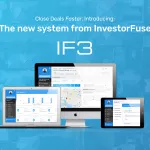
InvestorFuse
InvestorFuse is a Podio-powered investor CRM designed for real estate professionals. Manage leads, deals, and workflows with automation built for investors.
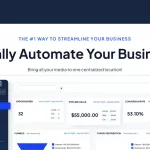

Contactually
Contactually is a real-estate-ready CRM with list building, skip tracing, calling, texting, automated follow-up, project management and websites under one login.
Table of Contents
- What's a CRM for Probate Real Estate Investors?
- Why Probate Real Estate Investors Need Specialized CRM Software
- Essential Features for Probate Real Estate CRM
- Best CRM Platforms for Probate Real Estate Investors
- Probate CRM Platform Comparison
- Key Features Checklist for Probate CRM Evaluation
- How Probate CRM Workflows Simplify Deal Closure
- Common Mistakes Probate Investors Make When Choosing a CRM
- How to Select the Best Probate CRM for Your Business
- Getting Started with Probate Real Estate CRM
Probate real estate is one of the most rewarding—and operationally complex—niches in real estate investing. Over 1 million properties enter U.S. probate annually. That's your deal flow right there. But here's where it gets messy: you're managing multiple heirs, tracking court deadlines, coordinating with estate attorneys, and navigating timelines that routinely stretch 9 to 24 months. Your standard CRM? It wasn't built for this. The right CRM for probate real estate investors does way more than organize contacts. It automates heir mapping, calculates equity splits, fires skip tracing workflows, generates per-heir contracts, and keeps every stakeholder aligned through a process that can outlast most standard transactions by a year or more. Want to know what separates the best platforms from the rest? This guide breaks down what to look for, which platforms actually deliver it, and how to pick the solution that fits your probate business.
New to finding deals? Start with our Guide to Finding Motivated Sellers.

What's a CRM for Probate Real Estate Investors?
A probate CRM isn't just a contact manager. It's a deal and contact system built specifically for the mess that is probate transactions. Your standard real estate CRM? That thing moves a buyer or seller down a nice, linear pipeline. A probate CRM has to juggle an estate (the actual property), an executor or personal rep (the one who decides), multiple heirs (all with competing interests), their attorneys, and court deadlines—everything tied to one deal record.
How Probate CRM Differs from Standard Real Estate CRM
Standard CRMs assume one contact per deal. That's not probate. You're looking at four, six, sometimes a dozen heirs spread across multiple states. Each one owns a different equity slice. Each one wants to talk via email, phone, or text. Half of them have their own attorney. A probate CRM treats the estate as the main entity, then attaches heirs, executors, and legal reps as related records. It tracks equity splits down to the decimal—they must reconcile to exactly 100%, no wiggle room. You can generate separate agreements for each heir, whether that's a buyout, a JV, or a bring-to-market deal. And every conversation logs against the deal for legal cover.
Key Challenges in Probate Deal Management
- Heir identification and location: Heirs may be estranged, deceased themselves, or simply unreachable. Skip tracing isn't optional—it's foundational.
- Multi-party consent: In many states, all heirs must agree to a sale. Managing dissent, negotiating buyouts, and documenting consent requires systematic tracking.
- Court deadlines: Probate courts impose filing deadlines, creditor notice periods (typically 3–6 months in most states), and hearing dates that can't be missed without legal consequence.
- Equity calculation errors: Manual equity tracking across multiple heirs leads to disputes and lost deals. Automated reconciliation is essential.
- Long follow-up cycles: With average probate timelines of 20 months per 2024 Trust & Will national study data, automated drip sequences must run far longer than in typical wholesale deals.
Why Generic CRMs Fall Short for Probate
Take HubSpot or Follow Up Boss (starting at $69/user/month). Both are contact-centric. They're built to nurture a single buyer or seller. Period. No native estate record. No heir equity fields. No court deadline calendar. No probate-specific pipeline stages. You can try to bolt on workarounds, but once your deal flow hits volume, those cobbled-together solutions collapse. And you're stuck.
For probate at scale, purpose-built functionality isn't nice to have. It's your competitive edge.
Want the full picture? Check our Best CRM for Real Estate Investors 2026 guide for how investor-focused platforms stack up against agent-centric tools.
Back to topWhy Probate Real Estate Investors Need Specialized CRM Software

Here's the math: probate properties move at 10%–20% below market value. Your fix-and-flip margins can run 15%–25% above standard market deals. That's serious money. But only if you don't burn it on operational waste. Missed deadlines, duplicate outreach, re-sent documents, lost heir contact info—they all bleed your bottom line. A specialized probate CRM fixes this by tackling three core challenges: deal complexity, deal duration, and protecting your margin.
Managing Multiple Heirs with Different Interests
One heir wants a fast cash exit. Another's holding out for a market-rate listing. A third won't return your calls. You're not dealing with one decision-maker—you're juggling multiple stakeholders with competing goals. A probate CRM tracks each heir's stated preference, equity stake, and entire communication thread in one place. You can structure a deal that wins over the majority while documenting every touch with the holdouts. And if it goes to court? You've got the paper trail.
Automating Skip Tracing and Heir Verification
Many heirs don't show up in your initial intake. That's normal. What shouldn't be normal is spending hours on manual research when your CRM can do it for you. Built-in skip tracing fires verification searches automatically the moment a lead hits the system—phone numbers, addresses, identity confirmation all returned without lifting a finger. You've gone from hours of legwork to minutes of automation.
Tracking Court Deadlines and Compliance Requirements
Probate courts don't bend on schedules. Miss a filing deadline and you're looking at months of delays—or worse, personal liability exposure for the executor. Your probate CRM needs a court deadline calendar locked to each deal stage, with automated alerts hitting both you and the executor as dates approach. No surprises.
Streamlining Communication with Executors and Attorneys
Executors and estate attorneys are trained to be cautious. Every conversation matters. Every email gets reviewed. This is where most investors stumble—they treat it like a standard real estate deal and wonder why they're getting friction. A probate CRM changes that. Every interaction logs automatically with timestamps and attaches to your deal record. When an attorney asks for paperwork, you generate the required forms with one click instead of cobbling together documents over three days. You go from "another investor" to "the professional who actually gets it." Want to nail your first contact? Our guide on probate listing real estate investing and finding heirs & executors walks you through the exact approach.
Back to topEssential Features for Probate Real Estate CRM

Most investor CRMs miss what probate deals actually need. Here's what you should be looking for when you're evaluating a platform for this niche.
Heir and Equity Management
You need multiple heir records tied to a single estate deal. Each one gets its own equity percentage field—and they automatically reconcile to 100%. Change one heir's split, and the system updates the entire deal in real time. Why does this matter? Because equity calculation errors at closing are the #1 source of probate deal meltdowns.
Skip Tracing and Private Investigation Tools
The best probate CRMs run skip tracing automatically the moment a new lead hits the system. You get verified contact info for heirs before you dial. And if standard skip trace data isn't cutting it? One click triggers a deeper investigation—identity verification, asset searches, the works.
E-Signature and Contract Automation
Probate paperwork is brutal. Purchase agreements, heir buyout agreements, joint venture agreements, bring-to-market authorizations, consent forms for each heir—it never stops. Your CRM should handle custom contract templates that auto-populate heir names, equity percentages, and payout amounts, then send them for e-signature without anyone leaving the platform.
AI-Powered Call Transcription and Analysis
Conversations with heirs and executors carry legal weight. You need every call logged, timestamped, and searchable by deal stage—that's your defensive record. The best platforms flag sentiment shifts too, which gives you early warning when an heir's suddenly getting cold feet.
Automated Drip Campaigns and Lead Nurturing
Probate timelines average 20 months. If you're manually following up on every lead, deals will slip through the cracks. Automated drip sequences built for probate-specific timelines and deal stages keep you top of mind without burning your team out. This is where probate CRM actually pays for itself. For cold outreach scripts that work alongside these sequences, check out our cold calling guide for real estate investors.
Deal Pipeline Tracking and Reporting
A probate pipeline needs more granularity than wholesale. You're looking at: Lead → Verified → Heir Mapped → Under Negotiation → Contract Sent → Court Approved → Closed. At each stage, real-time profit calculations should account for equity splits, acquisition costs, and closing fees. That's how you actually know what your book of business is worth right now.
Integration Capabilities
Not everyone starts with a purpose-built probate CRM. Some integrate a probate module into Salesforce. Others connect an investor CRM to their existing phone and email setup. Your integration strategy matters today—and it'll matter even more as you scale.
Back to topBest CRM Platforms for Probate Real Estate Investors
The platforms below are the realistic options for investors working probate at meaningful volume. And here's the thing—each one's got real strengths and real limitations. Don't gloss over either.
Tenetizer — Probate-Specific CRM Built on Salesforce
Tenetizer is explicitly built for probate. It sits on Salesforce's infrastructure and treats the estate as your primary record object instead of forcing you to jerry-rig contacts or companies to make it work. Heir management, equity reconciliation, court deadline tracking—these aren't tacked on. They're native to the platform.
What can you actually do with it? Automatic skip tracing hits your inbox the moment a lead comes in. You generate per-heir contracts in seconds (buyout, JV, or bring-to-market templates). AI call transcription gets indexed by deal stage so you can search it like a database. One-click workflows for PI requests and attorney referrals. If you're running probate deals at volume, Tenetizer's purpose-built architecture saves you the configuration nightmare that other platforms dump on you.
The tradeoff's real though. Tenetizer is specialized. Work probate plus pre-foreclosure plus absentee owner lists? You might find yourself wishing for more flexibility on the non-probate side. Pricing isn't published consistently across sources, so you'll need to call them directly for current rates.
REsimpli — All-in-One Platform for Probate Wholesalers
REsimpli bundles list management, skip tracing, calling, texting, email, e-signature, and deal tracking into one subscription. It's not probate-specific—but that's actually the point. You can build custom pipeline stages, link heir contact records to deals, and run long-duration drip sequences that mirror probate timelines. The real win? List stacking. Cross-reference your probate data against cash buyer databases or other motivated seller lists without jumping platforms.
Here's where it stumbles. Heir equity management isn't automatic. You're tracking equity splits manually, which introduces errors the bigger you scale. It's a solid pick if probate is one of several lead types you're working and you want everything in one place. Check their website for current pricing—plan structures change.
InvestorFuse — Designed for Real Estate Investors Including Probate
InvestorFuse was built for wholesale and fix-and-flip investors. Not agents. Not wholesalers who dabble. Investors who move deals.
Lead response automation is where it shines. New lead comes in? Someone's calling it before your competitor even sees it. Pipeline discipline through mandatory action steps at each stage keeps deals moving. Configure custom stages, create heir contact records, and set up follow-up automation. For probate, where timeline matters, that automation horsepower is useful.
But it won't do what Tenetizer does natively. No heir equity reconciliation baked in. No automatic court deadline tracking. No probate contract templates pre-built. If you're newer to probate and want a general investor CRM you can grow into, this works. If you're running 20+ probate deals a month, you'll hit its limits. Head to their website for current pricing.
Left Main REI — Salesforce-Based Solution for Probate Workflows
Left Main REI runs on Salesforce like Tenetizer does. Enterprise-grade customization, reporting, integrations—that's what you get with Salesforce under the hood. Already using Salesforce? Adoption's easier. You can build custom deal objects, set up related contact records for heirs and executors, and run automated workflows.
And here's the catch. Probate-specific features require custom configuration. Heir equity management? Build it yourself. Court deadline tracking? Wire it up. Per-heir contract generation? Custom work. It's not broken—it's just not pre-built. Visit their website for current pricing details.

Contactually — All-in-One Real Estate CRM for Investor Follow-Up
Contactually is the real-estate-ready CRM that KDS (the publisher of this site) built. List building, skip tracing, project management, texting, calling, email, funnels, websites, pipelines, workflows, social posting—it's all there. Not probate-specific, but configurable for it.
One thing to know: calls, minutes, and texts are billed usage-based on top of your base plan. Factor that into your cost math. Disclosure: KDS, the publisher of this site, partnered to create Contactually.
This isn't the old Contactually that Compass bought. Different product entirely. For current pricing, go to contactually.net. You won't get purpose-built heir equity management or native court deadline tracking, so if you're running high-volume probate, you need to decide whether Contactually's general workflow strength makes up for that versus a platform like Tenetizer.
Want to see how all these stack up against the broader investor CRM market? Check out our Best Real Estate CRM for Investors 2026: Feature Comparison & Pricing.
Back to topProbate CRM Platform Comparison
Here's how these platforms stack up on the features that actually matter for probate investing. You'll notice pricing says "See website" — that's because these vendors update their rates constantly, and I'd rather give you current intel than stale numbers that'll be wrong by next month.
| Platform | Native Heir Management | Built-In Skip Tracing | E-Signature | AI Call Intelligence | Court Deadline Tracking | Probate Contract Templates | Salesforce-Based | Starting Price |
|---|---|---|---|---|---|---|---|---|
| Tenetizer | ✓ Native (auto equity reconciliation) | ✓ Auto on intake | ✓ | ✓ Searchable by stage | ✓ | ✓ Per-heir templates | ✓ | See website |
| REsimpli | Configurable (manual equity) | ✓ | ✓ | Limited | Manual | Custom only | ✗ | See website |
| InvestorFuse | Configurable (manual equity) | Via integration | ✓ | Limited | Manual | Custom only | ✗ | See website |
| Left Main REI | Configurable (custom build) | Via integration | Via integration | Via integration | Configurable | Custom only | ✓ | See website |
| Contactually | Configurable (manual) | ✓ | Via integration | Limited | Manual | Custom only | ✗ | See contactually.net |
Key Features Checklist for Probate CRM Evaluation
Pull out this checklist before you commit to any probate platform. We've split everything into three buckets. "Critical" means you're looking at serious operational risk—maybe months of delay or executor liability—if it's missing. "Important" features create real costs when they're gone, but you can grind through without them. "Nice-to-Have" speeds things up, but they're not deal-killers if the platform doesn't have them.
| Feature | Priority Level | Description |
|---|---|---|
| Heir equity reconciliation (auto to 100%) | Critical | Prevents equity disputes and closing-table surprises with multiple heirs |
| Court deadline calendar with alerts | Critical | Missed court deadlines can delay deals by months or create executor liability |
| Per-heir contract generation (buyout / JV / market) | Critical | Each heir may require a different agreement structure; manual drafting is slow and error-prone |
| Automated skip tracing on lead intake | Critical | Heirs are often unlocated; manual research adds hours per deal |
| Long-duration drip campaign automation | Critical | Probate timelines average 20 months; manual follow-up at that scale isn't sustainable |
| AI call transcription and search | Important | Provides defensible conversation records and surfaces deal-stage insights |
| E-signature within platform | Important | Reduces friction for heirs unfamiliar with the process; speeds contract execution |
| Probate-specific pipeline stages | Important | Pre-built stages reduce configuration time and align with actual deal flow |
| Private investigation workflow integration | Important | Useful when standard skip trace data is insufficient for heir verification |
| Real-time profit calculation per deal | Important | Accounts for equity splits and closing costs across all heirs simultaneously |
| Multi-channel outreach (call/SMS/email) | Important | Different heirs have different communication preferences; multi-channel reaches more |
| Salesforce integration / native build | Nice-to-Have | Valuable for investors with existing Salesforce infrastructure; adds enterprise reporting depth |
| List stacking and cash buyer search | Nice-to-Have | Useful for investors sourcing buyers for probate assignments or referrals |
| Social posting and website/funnel builder | Nice-to-Have | Marketing capabilities; not core to probate deal management but useful for all-in-one shops |
How Probate CRM Workflows Simplify Deal Closure

Walk through a probate deal from intake to close. Watch a purpose-built CRM eliminate manual work at every single stage. That's where the real operational advantage shows up.
Stage 1: Lead Intake and Verification
A probate lead hits your CRM—court filing list, direct mail response, phone call. The system does two things instantly. It enrolls the lead in your outreach drip sequence and fires an automated skip trace to locate heirs and verify property ownership. Without automation? You're looking at two to four hours of research per lead. With it? You've got verified contact data back in under five minutes, ready for your first call.
Stage 2: Heir Mapping and Equity Calculation
Heirs get identified, and the CRM creates individual records linked to the estate deal. You enter each heir's equity percentage, and the system validates that it hits exactly 100%—no guessing, no spreadsheet errors. Change one heir's percentage? The CRM flags the discrepancy immediately. And it logs each heir's stated preference (sell, hold, or undecided) so you know how to structure your pitch before you even pick up the phone.
Stage 3: Multi-Path Negotiation and Contract Generation
Here's where most investors mess up: they think one contract closes probate deals. It doesn't. You might need to buy out three heirs who want cash while cutting a joint venture agreement with a fourth who wants skin in the game. A solid probate CRM generates the right agreement for each heir—names, equity percentages, and calculated payouts all pre-populated—and delivers it for e-signature in one workflow. This multi-path deal closure (buyout vs. JV vs. bring-to-market) is what separates sophisticated probate operators from investors losing deals to heir infighting.
Stage 4: Court Deadline Management
Contract's signed. Now the CRM tracks the remaining court process steps: creditor notice expiration, hearing dates, executor authorization deadlines. Automated alerts hit both you and the executor as each deadline approaches. And here's the thing—estates with real property and multiple heirs routinely take 12 to 24 months. This isn't a one-time task. It's sustained operational work that only scales through automation.
Stage 5: Close, Profit Allocation, and Post-Close Relationship Management
Closing day arrives. The CRM calculates net profit after equity distributions, closing costs, and holding costs, then records the final outcome against your deal file for reporting. But don't stop there. The system should kick off a relationship preservation sequence—satisfied heirs become referral sources and future sellers of inherited properties. And that post-close follow-up? It's one of the most overlooked ROI opportunities in probate investing.
Back to topCommon Mistakes Probate Investors Make When Choosing a CRM

Pick the wrong CRM for probate and you're bleeding money. Not just on subscription fees—we're talking about the countless hours you'll waste trying to force a tool to do something it was never built for. Here's where most investors stumble.
Selecting Agent-Focused CRMs Instead of Investor Solutions
You know Top Producer Pro and BoldTrail/kvCORE. They're everywhere. Top Producer Pro runs $179/user/month as of 2026, and BoldTrail/kvCORE costs $1,099/month for brokerages as of 2026. But here's the problem: these platforms were built for agents, not investors. MLS integration, buyer/seller pipelines, agent lead routing—that's their DNA. Estate records? Heir management? Probate workflows? None of it exists in these systems.
Coming from an agency background, you'll be tempted. And you'll spend months building workarounds that never quite work. Our Best Real Estate CRM with IDX Integration guide breaks down agent-focused tools if that's actually what you need. But probate? It's a completely different animal.
Overlooking Heir Management Capabilities
Most investors get distracted by shiny surface features. Pipeline views look nice. Email templates seem useful. Mobile apps feel essential. But they're missing what actually matters in probate work.
Ask the vendor this question during the demo—and don't accept a vague answer: "Show me how I track six heirs with different equity percentages on a single deal and generate a separate buyout agreement for each." If the answer involves opening a spreadsheet or building a workaround, walk away. That CRM isn't built for real probate volume.
Ignoring Compliance and Legal Documentation Features
Probate deals create mountains of paper. Executor authorization documents. Court notices. Consent forms. Purchase agreements for multiple parties. And your CRM needs to handle all of it without turning your operation into a filing nightmare.
A platform without structured document management forces you to maintain two systems at once. That fragmentation creates compliance gaps. When an attorney asks for documentation at 2 PM on Friday, you'll waste hours hunting through scattered files instead of pulling it from your CRM in seconds.
Underestimating Automation Needs
New probate investors consistently underestimate deal accumulation. The math is brutal. Say you're working 30 leads per month. Average probate timelines run 20 months. That's not 30 active deals—that's hundreds.
And they all need follow-up. Without robust drip campaigns and automation, you're manually touching every deal. That's not scalable. Pick a CRM without strong automation, and you've just capped your deal volume before you even started.
Not Considering TCPA Compliance in Outreach Tools
SMS and calling features sound great until you realize the legal minefield. The Telephone Consumer Protection Act doesn't play around.
Sure, A2P 10DLC registration is technically required for business texting. Carriers demand it. But registration doesn't make cold calling or texting to heirs legally compliant. Not even close. Before you launch any outreach campaign to executor or heir lists sourced from probate records, talk to an attorney. The fines aren't worth the shortcuts.
Back to topHow to Select the Best Probate CRM for Your Business
Your ideal probate CRM depends on four things: deal volume, team size, what tools you're already using, and whether probate is your bread and butter or just one of several lead sources.
Step 1: Audit Your Current Workflow Pain Points
Start by mapping out exactly where deals are stalling right now. Heir location taking forever? Equity disputes holding up contract? Weeks between follow-ups? Missing court dates entirely? Write it down. These bottlenecks tell you which features actually matter and which platform will solve your real problems—not the problems you think you should have.
Step 2: Determine Your Primary Need—Heir Management vs. Lead Generation
Here's the split: Are you drowning in deal complexity once you've got a lead in hand? Heir mapping. Equity carve-outs. Court tracking. That's when you want a specialized probate CRM like Tenetizer. But if your real problem is sourcing and nurturing massive volumes of initial leads across different seller types, an all-in-one investor CRM with configurable probate stages might be the smarter play. And honestly? Most seasoned probate investors run both. They use the specialized platform for deal management and keep a broader tool humming for lead gen.
Step 3: Evaluate Integration Requirements
Already locked into Salesforce? A Salesforce-native option like Tenetizer or Left Main REI plugs in cleanly—no messy workarounds. Starting from scratch? Then check whether the platform's built-in features actually cover what you need without forcing you into expensive custom integrations. That integration tax adds up fast and kills your ROI before you even close a deal.
Step 4: Calculate Total Cost of Ownership
Monthly subscription fees are only half the picture. You've got per-usage costs (calls, texts, skip traces, e-signature hits), implementation and setup, training hours, and the real pain of migrating off your current system. A platform that costs more monthly but closes one extra deal per quarter? That math probably wins. For nailing down whether your CRM investment is actually profitable, check out our Best Real Estate Bookkeeping Software for Investors 2026 guide on setting up financial tracking alongside your CRM.
Step 5: Test Platform Usability Before Committing
Skip the dashboard fluff. Request a demo that walks through actual heir management workflows. Make the vendor show you these four things live: (1) how a new probate lead gets enrolled and skip-traced, (2) how you add multiple heirs with equity splits, (3) how separate contracts print per heir, and (4) how court deadlines trigger alerts. If they stumble through any of these steps, you'll be building workarounds in production—and that's when you'll regret the decision.
Back to topGetting Started with Probate Real Estate CRM

Here's the thing: picking the right CRM is one thing. Actually implementing it? That's where most investors stumble. Your ROI timeline depends almost entirely on setup quality, not the tool itself. A half-baked implementation—skipping probate-specific stages, ignoring templates, rushing the config—will tank a platform that should work great. Meanwhile, a properly configured system that's "simpler" will outperform it every time. Don't cheap out on this phase.